Pocheon City Establishes Life-Stage Care through Organizational Restructuring and New Pediatric Ward
Addressing Gaps in Pediatric Care... Upgrading Public Healthcare Infrastructure
City Guarantees Citizens' Right to Health through Public Health Infrastructure Innovation
Expanding Healthcare Infrastructure to Promote Citizen Health and Achieve Equity
Pocheon City, Gyeonggi Province (Mayor Baek Younghyun) is directly confronting the inevitable local health challenges of an aging population, the rise in chronic diseases, and a severe gap in pediatric medical care.
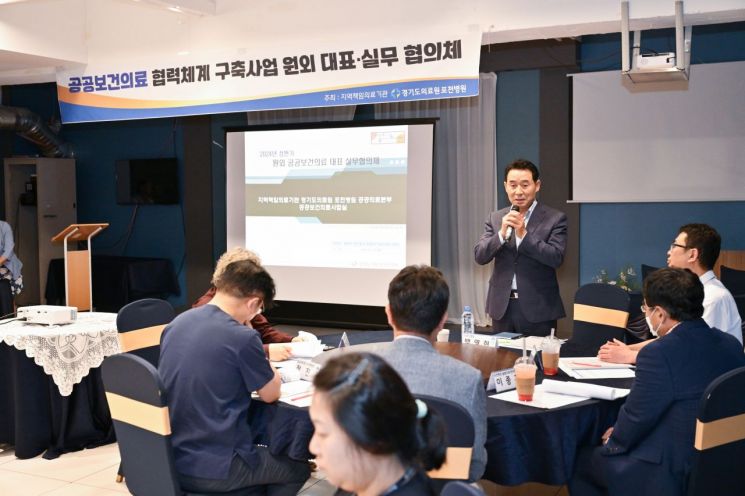 Baek Younghyun, Mayor of Pocheon, is seen holding a meeting with the Public Health Medical Alumni Association representative and the working-level consultative body. Provided by Pocheon City
According to Pocheon City on November 10, the city has recently completed a major functional reorganization of its public health center and established a new pediatric ward, a key infrastructure to strengthen local medical accessibility, thereby laying the foundation for a major transformation in public health toward achieving 'health equity for all citizens.'
Baek Younghyun, Mayor of Pocheon, expressed a strong commitment, stating, "We will create a city where every citizen can enjoy high-quality public health services close to home."
Organizational Restructuring Focused on Prevention and Management: Establishing 'Smart Health Administration'
In May, Pocheon City reorganized its public health center to strengthen public health capabilities. The core of this reorganization was to enhance crisis response and policy implementation, with a particular focus on addressing aging and chronic diseases. The city improved its infectious disease response system and concentrated on strengthening policies for chronic disease management centered on healthy living practices and prevention.
Additionally, considering changes in the external environment such as the decrease in public health doctors and low utilization rates of local health branches, the city redefined the roles of its health sub-centers. In particular, the Soheul Health Living Support Center has shifted its focus to promoting the health of the elderly in line with regional characteristics, serving as a hub for senior health management. At the same time, the city has established a concentrated support system for medically underserved areas such as Gwanin, Changsu, and Hwacheon, aiming to minimize disparities in healthcare accessibility between regions.
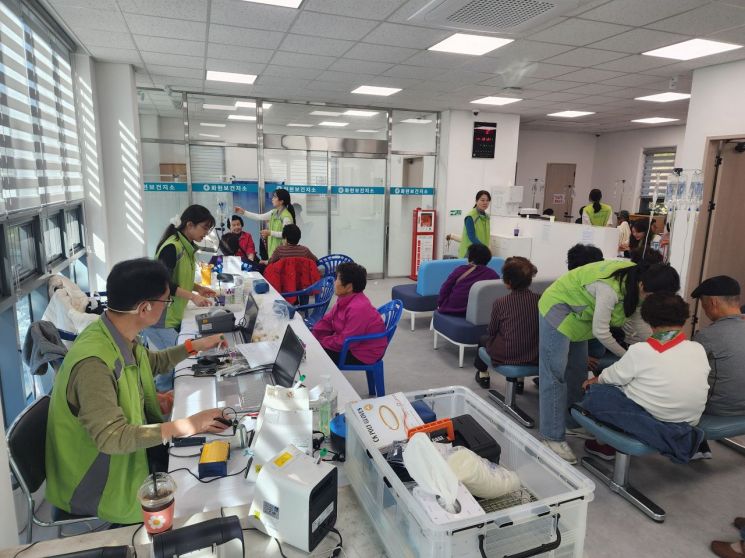
Pocheon City operates community-based medical services in collaboration with private medical institutions, such as the Visiting Senior Citizen Center Primary Doctor Program and free health check-ups in partnership with Seoul Asan Medical Center. By utilizing mobile health sub-centers, the city provides on-site health check-ups, consultations, and health management programs directly to residents in areas with limited access to medical facilities, delivering tangible, field-oriented services that citizens can truly experience.
Furthermore, to strengthen its disaster and emergency response capabilities, Pocheon City has established a disaster emergency medical response system. The city has revised action manuals to enable immediate and systematic responses in the event of a disaster and has institutionalized joint training with relevant agencies such as fire and police departments to complete a rapid response system. In addition, two rapid response teams comprising 12 doctors and nurses are operated at all times, and the city is expanding CPR and AED training for citizens to enhance their ability to respond independently to emergencies.
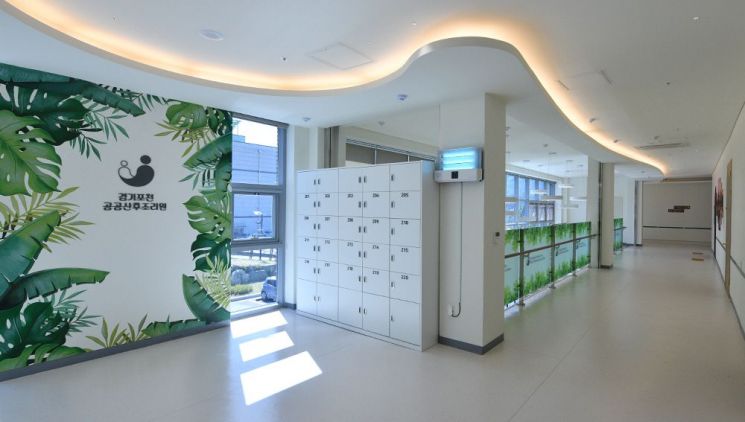
Establishing a Customized Health Management System for All Life Stages
Pocheon City is accelerating the establishment of a customized health management system that covers all life stages, from infants to the elderly.
In the field of infant and maternal support, the city is implementing policies to reduce the financial burden of medical expenses, such as operating the Dalbit Children's Hospital, providing essential vaccinations, conducting infant health check-ups, and supporting pediatric diabetes care. The city is also creating a safe medical environment throughout pregnancy and childbirth by offering transportation subsidies for pregnant women in underserved areas and operating the Pocheon Public Postpartum Care Center.
Notably, the Pocheon Public Postpartum Care Center has gained high popularity not only among Pocheon residents but also among mothers in neighboring areas such as Uijeongbu, Yangju, and Dongducheon. With reasonable costs, professional nursing staff, and comfortable facilities, the center has established itself as a leading public medical facility where mothers receive high-quality postpartum care services and report high satisfaction. Through a customized care system that prioritizes the health of mothers and newborns, the center is recognized as a hub for postpartum recovery in the northern region.
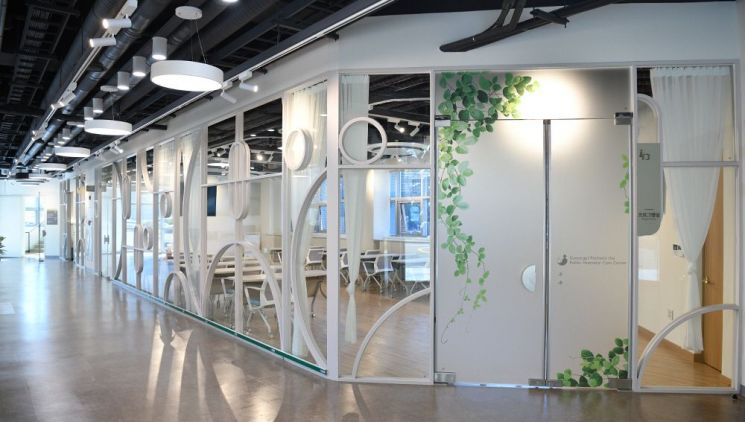
In the area of chronic disease and frailty prevention, the Soheul Health Living Support Center operates various health programs such as 'Soheul Health Check ON' and 'Soheul Healthy 100 Years' to support early detection of chronic diseases, promote physical activity among seniors, and prevent frailty.
Additionally, the Dementia Relief Center has established a systematic dementia management system by registering and managing dementia patients, supporting differential diagnosis and treatment costs, and designating Jajak 1-tong, Donggyo 4-tong, and Naengjeong 1-ri as dementia-friendly villages. The city is also taking the lead in creating a dementia-friendly community by training dementia partners. Next year, the city plans to improve its system by introducing AI and IoT projects to expand health management for seniors, moving beyond the current one-on-one home-visit management for elderly people living alone.
Establishing a Pediatric Ward to Address the Gap in Child Medical Care
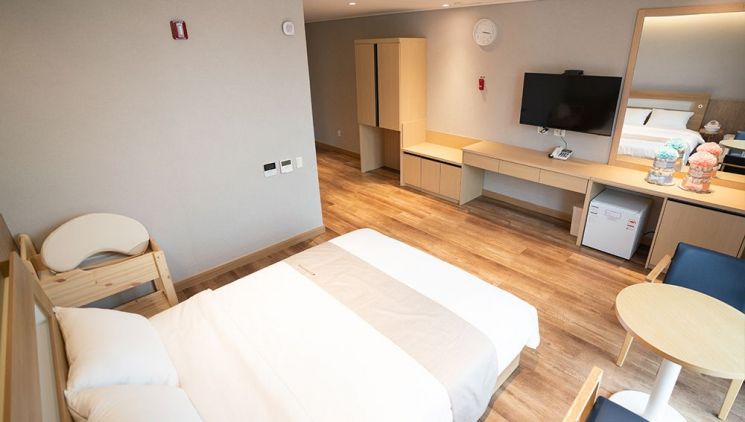
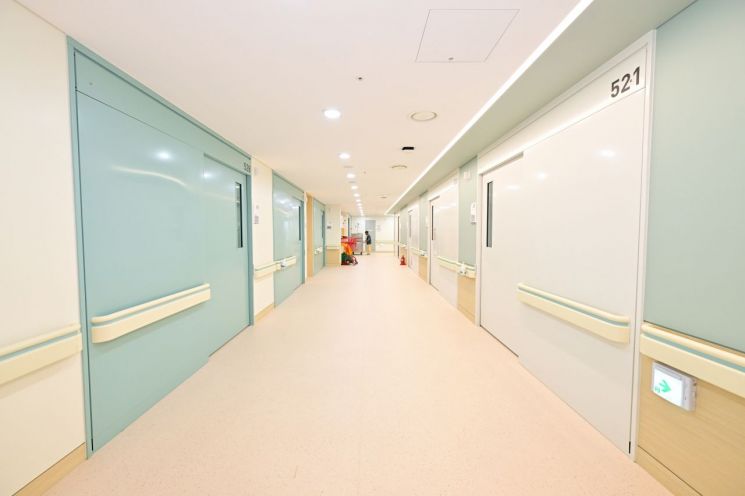
To respond to the rapidly increasing demand for pediatric care, Pocheon City established a new pediatric ward at Pocheon Woori Hospital, operated by the Ilsim Medical Foundation, which opened on October 22, 2025. The pediatric ward, consisting of 12 ondol-style rooms and 27 beds, has secured a total of 17 medical staff, including 5 pediatric specialists, and provides an integrated care system for pediatric emergency and general patients, offering both expertise and safety in its medical services.
The number of outpatient visits to the pediatric department at Pocheon Woori Hospital increased more than fourfold from 4,693 in 2021 to 21,857 in 2024, while the number of inpatients surged from 50 to 1,642 during the same period, indicating an explosive rise in local pediatric care demand. With the opening of the new pediatric ward, citizens can now receive specialized pediatric care within Pocheon without having to travel long distances, a development that is seen as simultaneously improving local medical accessibility and strengthening emergency response systems.
Establishing a Pocheon-Style Specialized Healthy City Model
The city also plans to further strengthen its public medical foundation through close collaboration and support systems with local healthcare professionals.
Through regular meetings with local hospitals, clinics, pharmacists' associations, and nursing associations, the city is reflecting the voices of the medical field in its policies and continuously expanding joint emergency medical response systems, medical staff support, and infectious disease information-sharing systems. Based on this 'city-medical professionals-citizens cooperation model,' the city is accelerating the balanced development of local medical capabilities and the realization of a citizen-centered healthy city.
In particular, by joining the Korea Healthy Cities Partnership, Pocheon City plans to present the vision of a 'Healthy City Pocheon,' which goes beyond healthcare policies to improve the overall health environment of the city. The city will implement customized policies based on healthy city indicators and expand policies that promote health in citizens' daily lives by strengthening cooperation not only in health and welfare but also in urban environment, transportation, housing, and culture.
The city aims to build a 'Pocheon-style specialized healthy city model' that fits its geographical and social characteristics, striving to become a sustainable healthy city where prevention, care, environment, and daily life are harmoniously integrated.
Baek Younghyun, Mayor of Pocheon, stated, "This reorganization of the public health center and the opening of the pediatric ward mark an important starting point for transforming public health by eliminating medical blind spots and guaranteeing citizens' right to health. We will continue to develop and implement health promotion policies that cover all stages of citizens' lives so that everyone in Pocheon can live healthy and happy lives."
© The Asia Business Daily(www.asiae.co.kr). All rights reserved.
![Clutching a Stolen Dior Bag, Saying "I Hate Being Poor but Real"... The Grotesque Con of a "Human Knockoff" [Slate]](https://cwcontent.asiae.co.kr/asiaresize/183/2026021902243444107_1771435474.jpg)

















