Debate Grows Over Tylenol Safety for Pregnant Women
Manufacturer Says "No Scientific Basis"

An American civic group has filed a petition with the Food and Drug Administration (FDA), requesting that a warning label be added to the packaging of Tylenol regarding its use by pregnant women. The group claims that taking Tylenol during pregnancy increases the risk of autism in unborn children. While the manufacturer of Tylenol has pushed back, arguing that there is no scientific basis for such claims, controversy continues to escalate, especially after former President Donald Trump previously cited Tylenol as a cause of the surge in autism cases. The issue is now set to spark further clashes with the medical and scientific communities.
Debate Over Pregnancy Risks Reaches FDA Petition... Kenvue Says "No Scientific Basis"
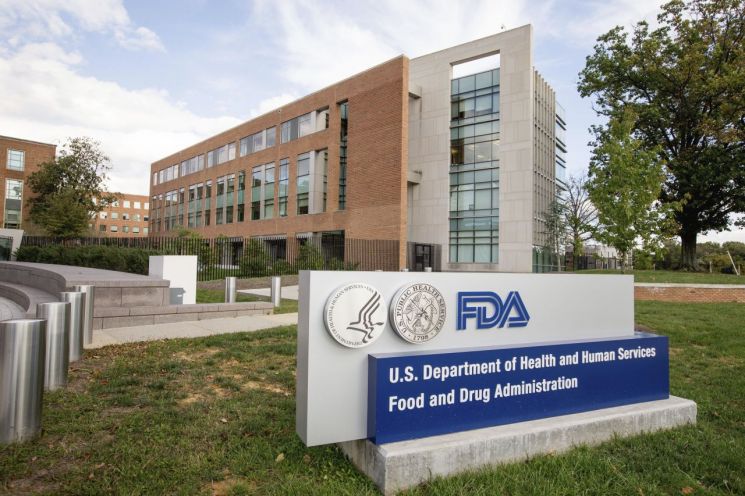
According to CNN, on the 19th (local time), the American civic group Informed Consent Action Network (ICAN) requested that the FDA revise the safety information printed on Tylenol's packaging. ICAN is demanding that a warning be added to the product label, stating that taking Tylenol during pregnancy may increase the risk of autism in unborn children. Currently, Tylenol's safety guidance only states, "Pregnant or breastfeeding women should consult a healthcare professional before use."
ICAN argues that the existing safety notice makes it too easy for pregnant women to take Tylenol, potentially exposing them to risks. In its petition, ICAN stated, "Warning labels should include the increased risks of using acetaminophen (the main ingredient in Tylenol) during pregnancy and the potential for neurodevelopmental disorders," and emphasized that "dosage, duration, and frequency of acetaminophen use during pregnancy should also be limited."
On the other hand, Tylenol manufacturer Kenvue issued a statement urging the FDA to reject the petition. Kenvue said, "There is no scientific evidence to support the request for a change in the safety labeling as proposed by this citizen petition," adding, "Furthermore, the content of safety labels, as determined by federal law, cannot be changed through the citizen petition process, and there is a risk that this process could be misused to circumvent legal procedures in the future."
Trump: "Tylenol Use During Pregnancy Is Main Cause of Autism Surge"... Influence of Health Secretary
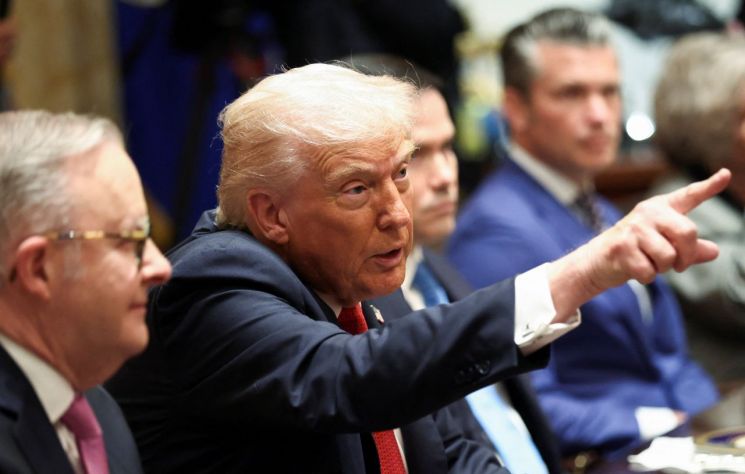
The source of the Tylenol controversy in the United States is President Trump. On the 22nd of last month (local time), he held a press conference and publicly warned that taking Tylenol during pregnancy could cause autism. The press conference was attended by Robert Kennedy Jr., Secretary of Health and Human Services, and Marty Makary, Director of the FDA.
President Trump stated, "Just a few decades ago, autism affected only 1 in 20,000 people, but in some parts of the United States, it is now as common as 1 in 31. Since 2000, the incidence has increased by more than 400%. Such a rapid increase suggests artificial factors," arguing that Tylenol use is a major cause. He continued, "Pregnant women should endure illness rather than take Tylenol if they want to avoid the risk of autism," and added, "Among the Amish Christian community and the people of Cuba, Tylenol use is rare and so is autism."
It is believed that Secretary Kennedy Jr. influenced President Trump's remarks. Before his appointment, Kennedy Jr. was an environmental and public health attorney who led anti-vaccination campaigns in and outside the United States for over 20 years. According to The New York Times, since 2005, Secretary Kennedy Jr. has led anti-vaccine movements claiming that vaccines cause autism, and in 2019, he spearheaded a campaign against the MMR (measles, mumps, rubella) vaccine in Samoa, South Pacific, where more than 70 children died from measles.
During the COVID-19 pandemic, Secretary Kennedy Jr. also sparked controversy by claiming that the virus was a biological weapon intentionally created by China to eliminate white and black people. He has been at the forefront of spreading various health-related conspiracy theories both in the United States and abroad.
Some analysts believe that Secretary Kennedy Jr. compiled various hypotheses about autism, and President Trump singled out Tylenol among them. Politico reported, "Originally, Secretary Kennedy Jr. and other health officials planned to present about 31 hypotheses regarding the causes and treatment options for autism before President Trump's press conference, and the Tylenol theory was one of them."
Medical and Scientific Communities Push Back: "No Link Between Tylenol and Autism Increase"
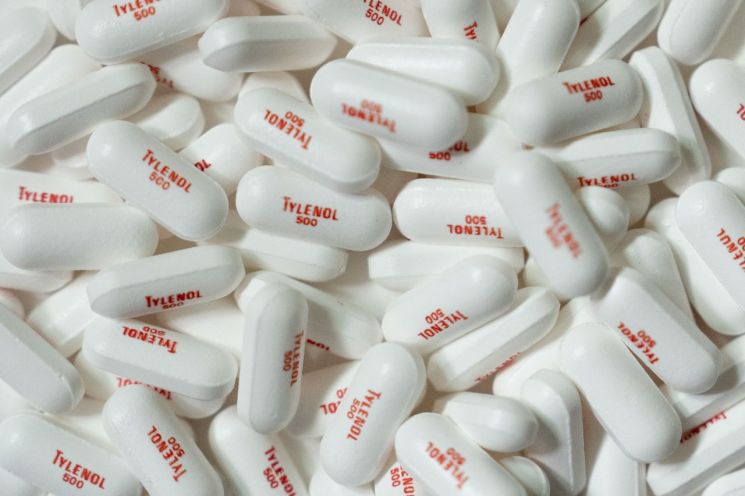
However, not only in the United States but also in the global medical and scientific communities, there is strong opposition to the idea that Tylenol is linked to autism. There are even warnings that such conspiracy theories could endanger the lives of mothers.
The American College of Obstetricians and Gynecologists (ACOG) stated, "Research on the risks of acetaminophen use during pregnancy has continued for decades, but there has not been a single credible study showing that taking it at any stage of pregnancy causes neurodevelopmental disorders in the fetus." The organization also noted, "A study conducted last year involving more than 2 million children found no significant association between acetaminophen use during pregnancy and the risk of autism or intellectual disability in children."
The World Health Organization also emphasized in a statement, "There is currently no conclusive scientific evidence confirming a possible link between acetaminophen use during pregnancy and autism." The statement continued, "Extensive research has been conducted to investigate the association between acetaminophen use and autism, but no consistent link has been identified to date."
There are also warnings that unverified conspiracy theories could cause pregnant women to avoid Tylenol, increasing health risks. The Society for Maternal-Fetal Medicine (SMFM) in the United States reaffirmed, "Acetaminophen is an appropriate medication for treating pain and fever during pregnancy," and pointed out, "If fever in early pregnancy is not treated with medication, it increases the risk of miscarriage, birth defects, and preterm birth. If pain is not treated, it can lead to depression, anxiety, and high blood pressure in mothers, which is dangerous."
© The Asia Business Daily(www.asiae.co.kr). All rights reserved.
![Clutching a Stolen Dior Bag, Saying "I Hate Being Poor but Real"... The Grotesque Con of a "Human Knockoff" [Slate]](https://cwcontent.asiae.co.kr/asiaresize/183/2026021902243444107_1771435474.jpg)

















