- Sangbong and Mangu Station Area: An Emerging Residential District
Transformed by Urban Renewal and Expanding Infrastructure
- "I-Park" Brand Mixed-Use Complex
Catering to Both End-User and Investment Demand
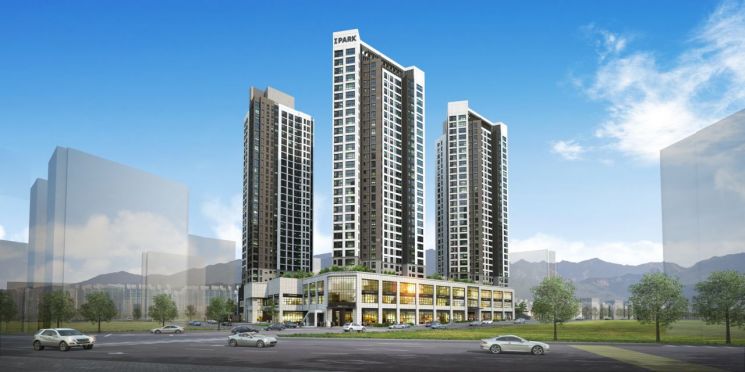
The urban landscape of northeastern Seoul is rapidly being transformed. The Sangbong and Mangu Station areas, once recognized solely as transportation hubs, are now being redeveloped through urban renewal projects into mixed-use residential districts that combine living, commercial, and cultural functions.
Although this area has long served as a key transportation node, its appeal as a residential neighborhood has been relatively undervalued. However, with the parallel progress of projects such as an integrated transfer center, large-scale commercial facilities, and multiple redevelopment initiatives, the area is now drawing attention as an "emerging residential district" experiencing structural changes similar to those seen in Cheongnyangni.
In fact, the Sangbong and Mangu Station area is a core pillar of Seoul's urban regeneration and balanced development strategy, and is rapidly evolving in line with the city's policy direction of "station area-centered mixed-use development."
While the Cheongnyangni area is reshaping the skyline of northeastern Seoul through the development of ultra-high-rise residential-commercial complexes and metropolitan centers, the Sangbong and Mangu Station area is aiming to create a resident-friendly urban environment through residential-commercial complex development. This approach minimizes inconveniences caused by high-density development and strengthens urban functions centered on daily life by linking with commercial and cultural infrastructure.
In December last year, "The Sharp First World Seoul," developed on the former Sangbong Terminal site, recorded a subscription competition ratio of up to 105 to 1 in the first round and achieved a 100% sell-out. This record clearly demonstrates the strong demand from buyers who had been waiting to enter the Sangbong and Mangu Station area as a result of the urban transformation.
This sustained interest from buyers is not a one-time reaction, but reflects ongoing expectations in line with the area's redevelopment trend. Especially in northeastern Seoul, where new supply is rare, the Sangbong and Mangu Station area is attracting both end-user and investment demand, and the market response to the next round of sales is also expected to be strong.
Coincidentally, about a year after the launch of "The Sharp First World Seoul," HDC Hyundai Development Company is set to begin sales of "Sangbong Central I-Park" in the Sangbong 9-I district this September.
The real estate industry considers "Sangbong Central I-Park" a flagship project symbolizing the urban transformation of the Sangbong and Mangu Station area, and expects even greater attention from potential buyers in the region.
"Sangbong Central I-Park" is a residential complex developed on the former E-Mart Sangbong site, consisting of four buildings with 254 apartment units and 189 officetel units, ranging from seven basement floors to 28 above-ground floors. Both the apartments and officetels are offered in a single exclusive area of 84 square meters.
This development boasts a prime location with access to both Sangbong and Mangu Stations, and is at the heart of expanding transportation infrastructure such as the planned GTX-B line, an integrated transfer center, and the planned Myeonmok Line light rail. In addition, the proximity to Jungnangcheon riverside park, large shopping facilities, and green spaces makes it a highly livable residential area with excellent transportation, lifestyle, and environmental advantages.
"Sangbong Central I-Park" stands out as a rare newly built residential complex in Jungnang-gu, featuring specialized design that enhances space utilization and living quality, in keeping with HDC Hyundai Development Company's "I-Park" brand. The complex incorporates both plate-type and tower-type layouts to optimize sunlight, daylight, and ventilation, and also provides storage-focused spaces such as pantries and dressing rooms.
The complex will offer spaces where residents can enjoy living, culture, and leisure all in one place, along with I-Park's signature landscaping and rest areas. In particular, the seamless integration of commercial facilities and residential buildings is expected to enhance both residential comfort and daily convenience.
With sales set to begin in earnest this September, HDC Hyundai Development Company's "Sangbong Central I-Park" is especially noteworthy for those who have been waiting for new residential offerings in Seoul. Of the 254 apartment units, all except 12 units designated for co-prosperity housing will be available to the general public. The single 84-square-meter floor plan will be allocated 40% by point system and 60% by lottery, giving even those with lower points a chance to win. In particular, the revised subscription system, including special provisions for childbirth and marriage, is expected to increase winning chances for newlyweds and couples expecting newborns.
Furthermore, anyone over the age of 19 can apply for the officetel units (84 square meters) regardless of place of residence or head of household status, and no subscription savings account is required. Although officetels are considered alternatives to apartments, there are no restrictions on reselling the purchase rights.
Detailed information about "Sangbong Central I-Park" can be found on the official website, and those who register as interested customers will receive a complimentary coffee coupon as part of an ongoing event. The model home is located in Junghwa-dong, Jungnang-gu, Seoul (at the intersection of Dongil-ro Underpass).
© The Asia Business Daily(www.asiae.co.kr). All rights reserved.
![Clutching a Stolen Dior Bag, Saying "I Hate Being Poor but Real"... The Grotesque Con of a "Human Knockoff" [Slate]](https://cwcontent.asiae.co.kr/asiaresize/183/2026021902243444107_1771435474.jpg)















