Korea Polar Research Institute Analyzes Microorganisms Up to 2,000 Years Old from Antarctic Glaciers
Some Capable of Destroying Red Blood Cells
"Key Data for Understanding Potential Risks"
An analysis of microorganisms that had been dormant for up to 2,000 years inside Antarctic glaciers revealed that some of them may be capable of infecting humans.
On August 27, the Korea Polar Research Institute released microorganisms discovered in Antarctic glaciers and announced these research findings. The research team led by Dr. Kim Okseon at the Korea Polar Research Institute analyzed glacier cores collected from the Styx Glacier near the Jang Bogo Antarctic Research Station. They cultured and secured 656 strains of microorganisms from 27 species found in glacier layers formed between AD 520 and 1980.
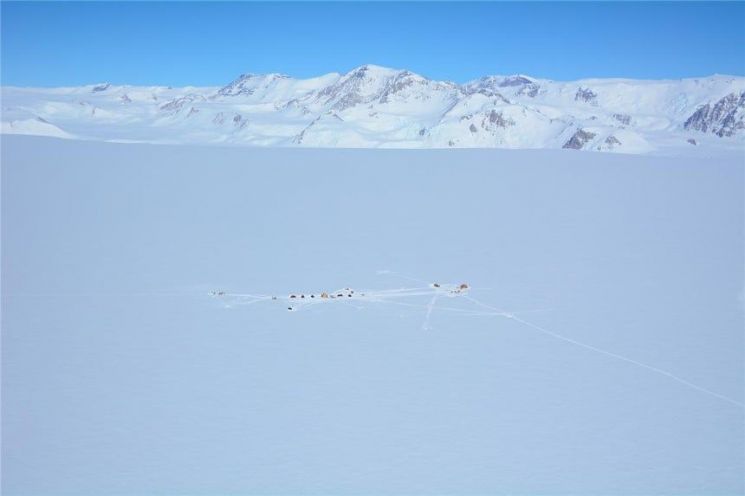 Photos of the Antarctic Styx Glacier drilling site and glacier core recovery activities. Polar Research Institute
A glacier core is a cylindrical piece of ice extracted from a glacier, preserving climate and biological information from the time of its formation. The Styx glacier core, first obtained by the Korea Polar Research Institute in Antarctica in 2014 when the Jang Bogo Station was established, is a 210-meter-long sample that enables the study of environmental conditions from about 2,000 years ago.
Analysis of the microorganisms found in the research samples showed that most were bacteria commonly found in nature. However, 55 strains from 9 species were classified as "potential pathogenic bacteria candidates." Dr. Kim Minkyoung explained, "Some of these microorganisms have genes that allow them to attach to human cells and evade immune responses, similar to Mycobacterium tuberculosis." She added, "Others were found to have genetic sequences that can have fatal effects on experimental animals such as fish and mice."
She further noted, "Some microorganisms exhibited a hemolytic reaction, destroying red blood cells at 37 degrees Celsius, which is normal human body temperature," and explained, "This could pose a potential risk to individuals with weakened immune systems."
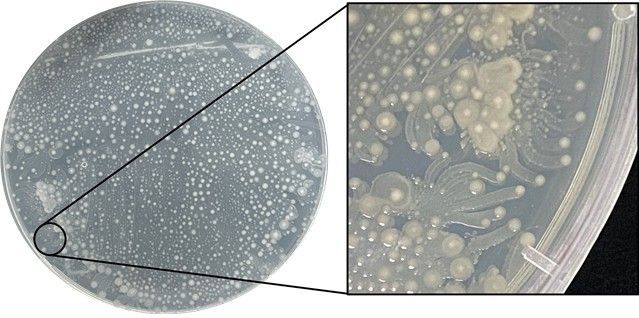 Solid culture of a strain discovered in the Styx Glacier core and identified as a potential pathogenic strain. Korea Polar Research Institute
Shin Hyungchul, Director of the Korea Polar Research Institute, pointed out, "As glaciers melt due to climate change, microorganisms that have been trapped for long periods are being exposed, increasing the likelihood of contact with humans." He added, "This research will serve as important data for understanding the diversity and potential risks of Antarctic glacier microorganisms."
Previously, there have been reports of ancient pathogens being revived from the Arctic permafrost. However, research on Antarctic glacier microorganisms and their risks remains limited. The results of this study were published last month in the international journal Environmental Research.
© The Asia Business Daily(www.asiae.co.kr). All rights reserved.
![Clutching a Stolen Dior Bag, Saying "I Hate Being Poor but Real"... The Grotesque Con of a "Human Knockoff" [Slate]](https://cwcontent.asiae.co.kr/asiaresize/183/2026021902243444107_1771435474.jpg)

















