Mosquito Population Surges Across Las Vegas
Over 13 Million Dengue Cases Reported Last Year in the Americas
Urban Development, Climate Change, and Insecticide Resistance Cited as Key Factors
The city of Las Vegas, built atop the desert in the United States, is experiencing a sharp increase in the mosquito population, raising the risk of infectious diseases for both residents and tourists. On August 17 (local time), U.S. business outlet CNBC reported in an article titled "Las Vegas' Mosquito Problem Is a Ticking Time Bomb" that, according to the Centers for Disease Control and Prevention (CDC), more than 13 million cases of dengue fever were reported in North and South America in 2024.
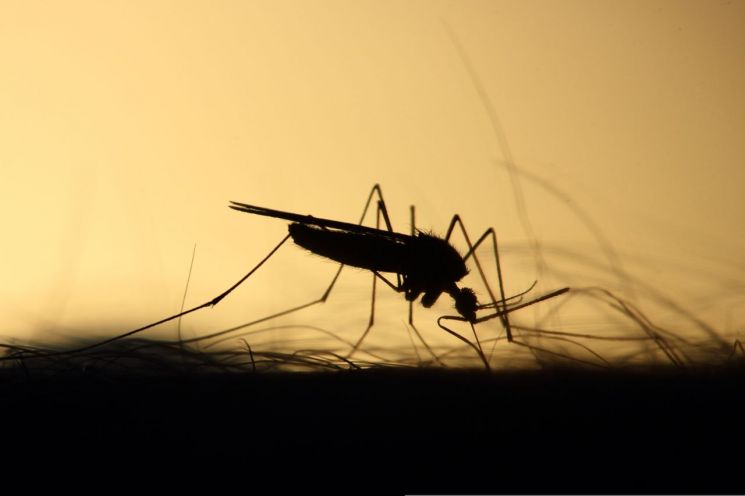
According to experts, a combination of urban development, climate change, and insecticide resistance is transforming southern Nevada into an increasingly favorable environment for mosquitoes. These include Culex mosquitoes, which transmit West Nile virus, and Aedes aegypti, the primary vector for dengue fever. The Southern Nevada Health District has been monitoring mosquitoes since 2004. According to their data, Aedes aegypti, which was found in only a few areas in 2017, has now spread to 48 locations across the Las Vegas Valley. This species can lay eggs in even shallow, stagnant water, making small pools of rainwater in toys or tires suitable breeding grounds. Culex mosquitoes are known to breed mainly in larger bodies of standing water, such as neglected swimming pools or reservoirs.
There are claims that Las Vegas’s unique urban development has exacerbated the mosquito problem. Golf courses, artificial lakes, and irrigation facilities have turned the desert city into a mosquito habitat. Additionally, global warming has worsened the situation. Rising temperatures and increased humidity have led to more rainfall, creating ideal conditions for mosquito breeding. Furthermore, as these mosquitoes develop resistance to insecticides, they are emerging as a public health threat that could jeopardize Las Vegas’s tourism industry.
Mosquitoes are considered the deadliest animals to humans worldwide. Hundreds of thousands of people die each year from diseases transmitted by mosquitoes, such as malaria, dengue fever, and Japanese encephalitis. This is because mosquitoes serve as the primary vectors, transmitting the viruses that cause these diseases while feeding on blood.
In 2019, there were 43 cases of West Nile virus infection in Las Vegas, and 26 cases were confirmed in 2024. While no cases have been reported so far this year, mosquitoes collected in certain areas have still tested positive for the virus. Louisa Messenger, assistant professor at the University of Nevada, Las Vegas campus, stated, "Las Vegas is an example of what climate change will look like in other regions," and predicted, "Within the next 15 to 25 years, many parts of the world will resemble today's Las Vegas." However, she emphasized that "it is entirely possible to prevent being infected by viruses through mosquito bites," highlighting the importance of robust mosquito control systems.
© The Asia Business Daily(www.asiae.co.kr). All rights reserved.
![Clutching a Stolen Dior Bag, Saying "I Hate Being Poor but Real"... The Grotesque Con of a "Human Knockoff" [Slate]](https://cwcontent.asiae.co.kr/asiaresize/183/2026021902243444107_1771435474.jpg)















