Jam-Jam City Emerges as Korea's Hottest Travel Destination
Daejeon Sheds Its 'Boring City' Image with the Zero Hour Festival
"I will elevate the 'Daejeon Zero Hour Festival' to the ranks of the world's top four festivals. By harnessing the infinite potential of 'zero,' we will create a festival enjoyed by people from around the globe, attracting both people and capital, and transforming Daejeon's image from a 'boring city' to a 'fun city.'"
This is a statement from Lee Jangwoo, mayor of Daejeon. On February 4, 2023, during his visit to the Sapporo Snow Festival in Japan to benchmark the event, just one year after taking office in 2022, Mayor Lee shared this vision for the 'Daejeon Zero Hour Festival.'
Now, two and a half years later, his pledge is becoming a reality. Daejeon has shed its reputation as a boring city and has transformed into a vibrant and exciting destination. This turning point can be traced back to the launch of the 'Daejeon Zero Hour Festival' in 2023.
◆ Jam-Jam City, City of Waiting, Dreamdori Travel Destination
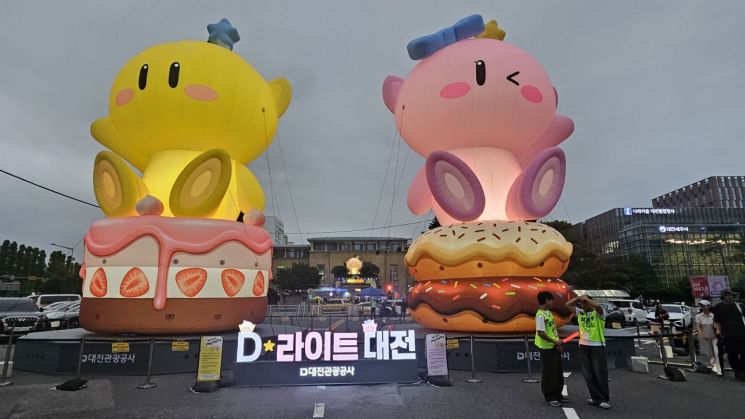
Daejeon is now known as 'Jam-Jam City,' 'the City of Waiting,' and 'Dreamdori Travel Destination,' attracting enthusiastic attention from young people and tourists across the country. The influx of visitors has even given rise to a 'waiting culture' at local bakeries and popular restaurants in the old downtown area-something previously unfamiliar in Daejeon.
Until 2022, Daejeon made countless efforts to shed its boring city image, but all were in vain.
Mayor Lee Jangwoo's 'Daejeon Zero Hour Festival' was not created overnight. Its roots can be traced back to 2009, when, as head of Daejeon's Dong-gu District, Mayor Lee was inspired by the song 'Daejeon Blues' and developed the district's 'Zero Hour Festival,' which later evolved into the current 'Daejeon Zero Hour Festival.'
After a 14-year hiatus, the Daejeon Zero Hour Festival was revived and is now thriving, a testament to Mayor Lee's vision and relentless determination.
◆ "Farewell, I'm leaving... Daejeon-bound at 0:50..." The Origin of the 'Daejeon Zero Hour Festival' Name
The 'Daejeon Zero Hour Festival' takes its name from the nostalgic pop song 'Daejeon Blues,' with its famous line, "Farewell, I'm leaving... Daejeon-bound at 0:50...". The festival's title was inspired by Daejeon's status as a railway hub for the Gyeongbu, Honam, and Jeolla lines, where trains often departed at midnight.
Driven by passion, Mayor Lee set out to make the Daejeon Zero Hour Festival the city's flagship tourism event and to enhance Daejeon's urban brand. In particular, the festival was designed to dispel Daejeon's negative image as a boring city and to establish its reputation as a beloved national tourist destination, full of diverse attractions and entertainment.
By holding the festival in August-breaking the stereotype that everyone seeks mountains, rivers, or beaches for summer vacations-the city took a bold approach that contributed to the festival's success and raised Daejeon's profile nationwide. The festival's popularity spread rapidly via social media and YouTube, and now it draws visitors from around the world.
Despite the summer holiday season, huge crowds continue to flock to the festival. Thanks to Daejeon's extensive transportation infrastructure, visitors come not only from the greater Seoul area but also from Yeongnam, Honam, and Gangwon regions.
◆ The Hottest City Since the Daejeon Expo
Daejeon has become the hottest city in Korea, with the largest number of visitors since the Daejeon Expo in 1993.
In the festival's inaugural year, 2023, 1.09 million people visited Daejeon, and in 2024, the number exceeded 2 million. Most expect this year's attendance to far surpass 2 million as well.
As the 'City of Bread,' visits to Sung Sim Dang bakery have played a major role in boosting Daejeon's popularity. Customers who visit Sung Sim Dang often search for other local eateries on social media, making it nearly impossible to sample the city's famous foods without waiting in line.
◆ City Marketing Using the Kkumssi Family
City marketing leveraging the Kkumssi Family characters, which are popular among young people, has also contributed significantly.
Merchandise featuring Dreamdori, the mascot created for the 1993 Daejeon Expo, such as keyrings, stickers, postcards, magnets, ramen, and walnut cookies, is highly sought after by young consumers.
The rise in popularity of the Kkumssi Family-including the friendly characters Dreamdori and Kkumsuni-has led to soaring sales of Dreamdori ramen, Dreamdori walnut cookies, Dreamdori Makgeolli, and more.

◆ 'City of Bread' Daejeon Ranks No. 1 as a Dessert Travel Destination
This popularity has also made Daejeon, the 'City of Bread,' a top destination for dessert tourism.
According to the '2025 Traveler and Local Domestic Travel Destination Evaluation and Recommendation Survey' conducted by travel research agency Consumer Insight, Daejeon ranked first in the metropolitan city category for dessert recommendations, with a 46.9% recommendation rate.
This figure is 18.3 percentage points higher than second-place Seoul (28.6%), demonstrating Daejeon's nationwide recognition as the 'City of Bread.'
Daejeon's status as a summer vacation festival city has also risen.
Consumer Insight's analysis noted, "Daejeon used to rank low in 'summer vacation destination satisfaction' surveys, but in 2024, it entered the top 10 for the first time. The city's tourism promotion strategy, centered on its unique 'City of Bread' theme, is a successful case of improving overall tourist satisfaction in a metropolitan area."
The Daejeon Zero Hour Festival has played a pivotal role in revitalizing the local economy and transforming Daejeon into Jam-Jam City.
◆ Economic Impact: 403.3 Billion Won
The economic impact of hosting the Daejeon Zero Hour Festival has been substantial.
In 2023, the estimated economic effect was 178.9 billion won, with direct visitor spending reaching 56.5 billion won. In 2024, the estimated economic effect rose to 403.3 billion won, including 112.3 billion won in direct effects and 291 billion won in indirect effects on regional industries.
◆ Programs Captivating Visitors This Year
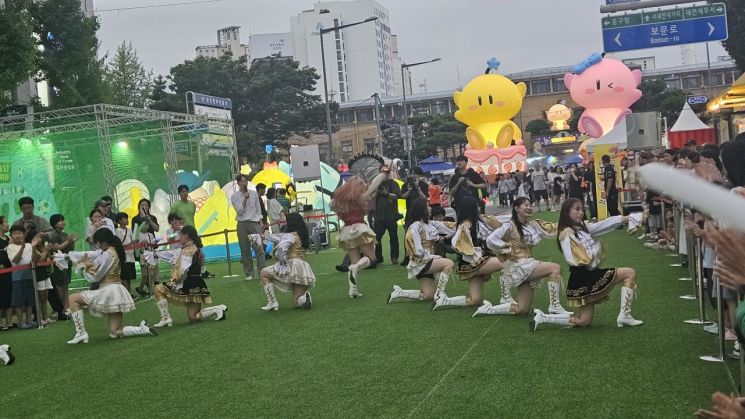
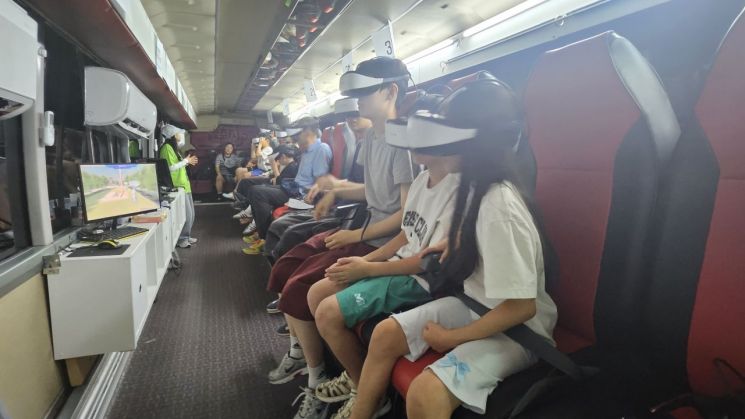
Now in its third year and enjoying nationwide popularity, the 'Daejeon Zero Hour Festival' features a 'Family Theme Park' that highlights Daejeon's reputation as a science city.
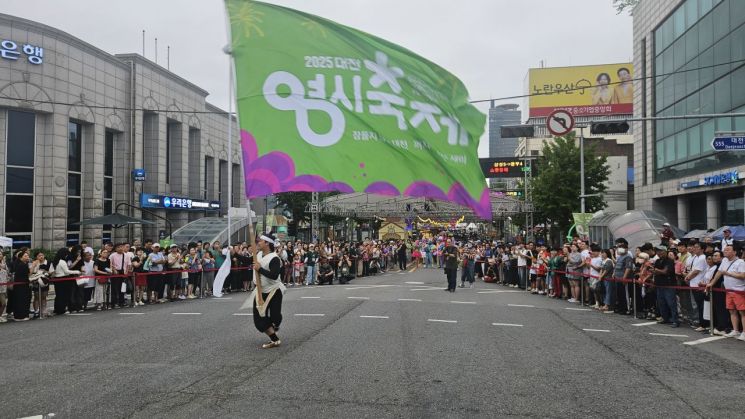
The festival stretches about 1 km from Daejeon Station, the city's historic center, to the former Chungnam Provincial Government building, with the area transformed into a car-free zone that symbolically connects the past, present, and future.
The festival lineup goes beyond simple performances, offering a 'time travel' theme that lets visitors feel as if they are walking through different eras.
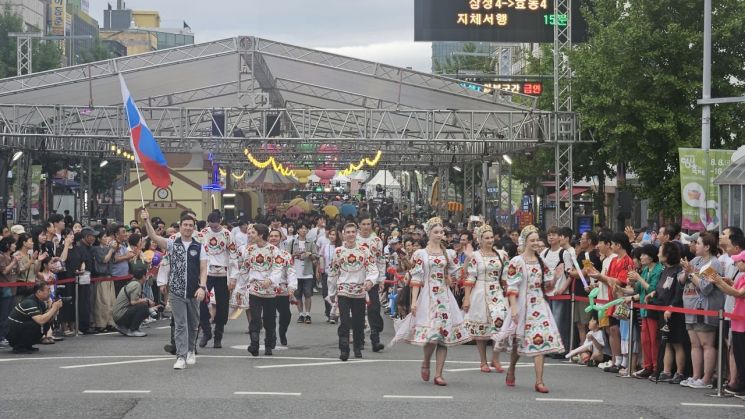
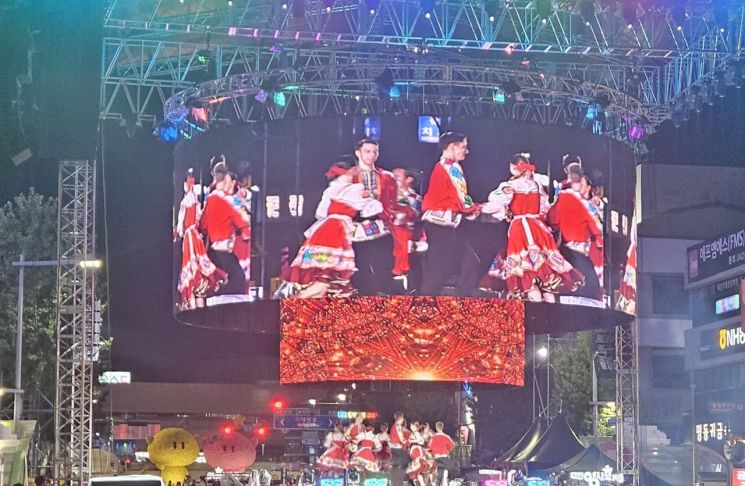
The main program is a series of large-scale street parades, each with a unique theme, held every day for nine days throughout the festival.
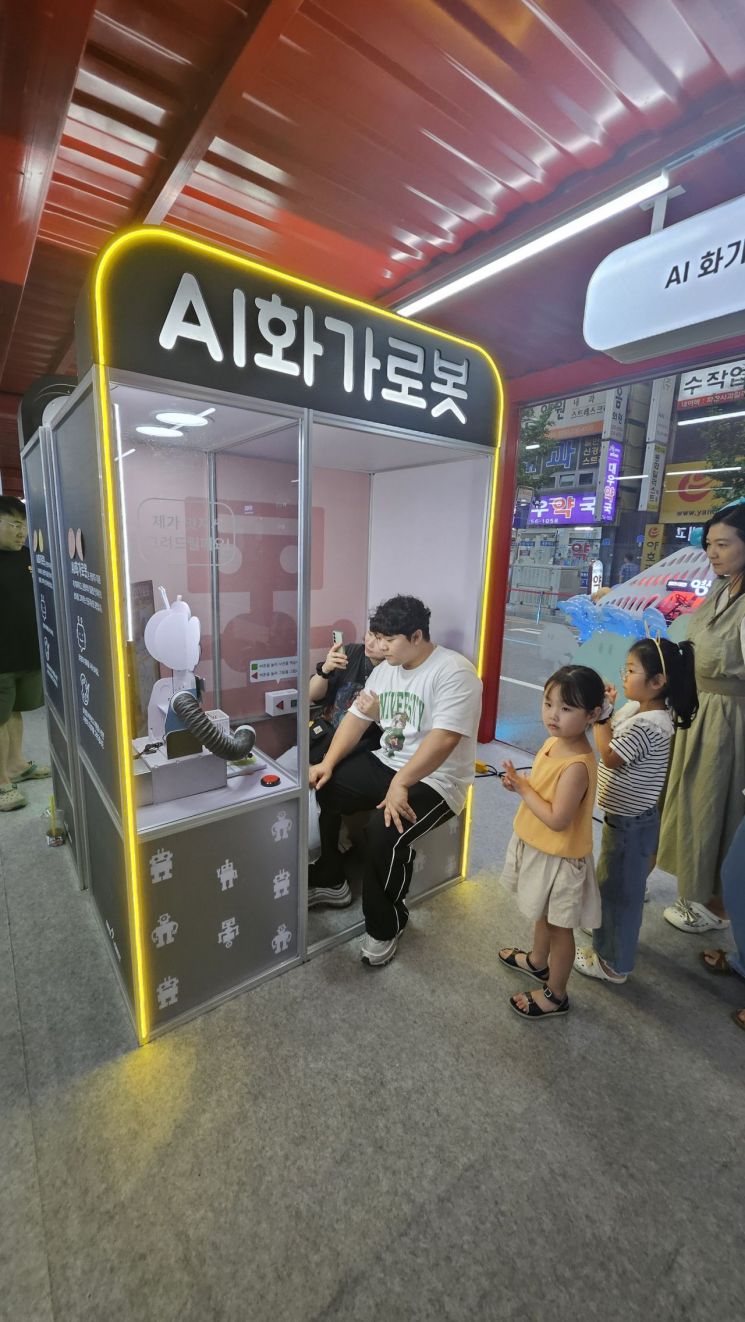
Other attractions include: ▲ Nostalgic retro train experiences ▲ Urban art exhibitions and performances ▲ A Future Science Zone featuring cutting-edge technology ▲ Large-scale K-POP concerts ▲ A family theme park for all ages ▲ A photo zone capturing the spirit of 'Daejeon Blues'-all of which keep visitors coming back for more.

?
Side programs include: ▲ The Daejeon Blues Creative Song Festival ▲ Special performances by the city arts troupe ▲ Performances by sister and friendship cities ▲ Various experiential and event booths.
?In addition, citizen participation programs such as ▲ Old downtown commercial district discount events ▲ Market zones and food zones ensure a wide array of culinary delights.
The Daejeon Zero Hour Festival lineup offers nonstop fun, day and night.
In particular, the 2025 Daejeon Zero Hour Festival's K-POP concert lineup is drawing significant attention, and the diversity of attractions for all age groups has led to a marked increase in family visitors.
◆ Family Theme Park Popularity
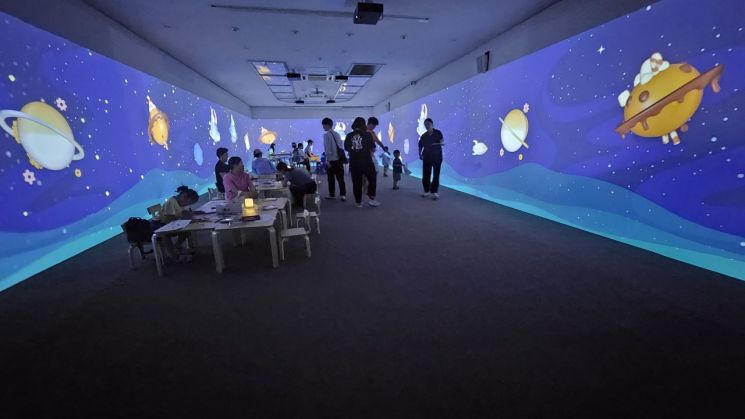
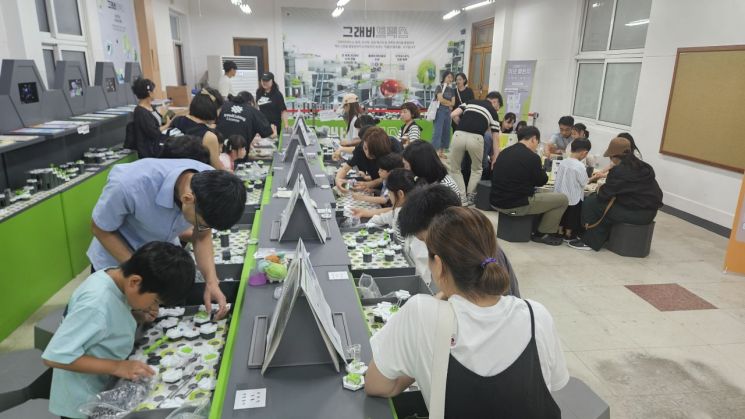
True to its reputation as a science city, Daejeon's Family Theme Park, set up at the former Chungnam Provincial Government building, is a hit with children and young people alike.
The park features attractions such as the Gam Pilago Sand Park, Character Land, Kkumssi Science Lab, Gam Pilago Gallery, and Kkumssi Arcade, offering a glimpse into a fascinating world of science.
Special zones tailored to visitors' interests-the Past Zone, Present Zone, and Future Zone-are particularly popular with different generations, making the festival more convenient and enjoyable for everyone by streamlining the flow of visitors.
The Daejeon Zero Hour Festival is not just an outdoor concert, but a massive cultural event that transforms the entire old downtown, from Daejeon Station to the former Chungnam Provincial Government building, into a festival stage.
On hot summer nights when sleep is elusive, a cold beer, dazzling lights, and music from every corner of the festival create a unique city-center time travel experience that keeps visitors coming back.
Having established itself as Korea's premier summer urban festival, the Daejeon Zero Hour Festival is highly regarded as a 'three-zero' event-free from safety accidents, litter, and price gouging-further enhancing the city's brand reputation.
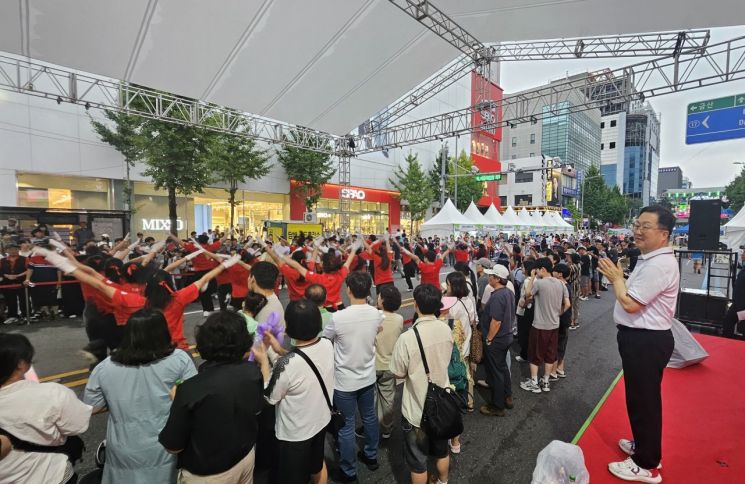 Lee Jangwoo, mayor of Daejeon, is giving encouragement at the time travel parade of the festival on the 12th. (Photo by Mo Seokbong)
Throughout the festival, Mayor Lee Jangwoo visits the event sites to oversee safety and engage with visitors.
This year's festival has seen participation from a wide range of families, including an elderly family of seven siblings, a family with triplets, North Korean defector siblings, multicultural families, and people from the United States, China, Germany, Japan, Spain, and more. Their happy faces make the festival shine even brighter.
© The Asia Business Daily(www.asiae.co.kr). All rights reserved.
![Clutching a Stolen Dior Bag, Saying "I Hate Being Poor but Real"... The Grotesque Con of a "Human Knockoff" [Slate]](https://cwcontent.asiae.co.kr/asiaresize/183/2026021902243444107_1771435474.jpg)

















