Artificial sweeteners may increase diabetes risk
by directly affecting metabolism,
such as disrupting gut microbiota
A new study has found that artificially sweetened beverages such as 'zero cola', often consumed for dieting purposes, may actually increase the risk of developing diabetes more than regular sugar-sweetened drinks. In particular, drinking just one serving of artificially sweetened soft drink per day was shown to increase the risk of developing type 2 diabetes by 38%. Surprisingly, this figure is much higher than the 23% increased risk associated with regular sugar-sweetened drinks. These findings are raising concerns about 'zero drinks', which have been widely perceived as a healthier alternative.
Just one drink a day increases diabetes risk by 38%
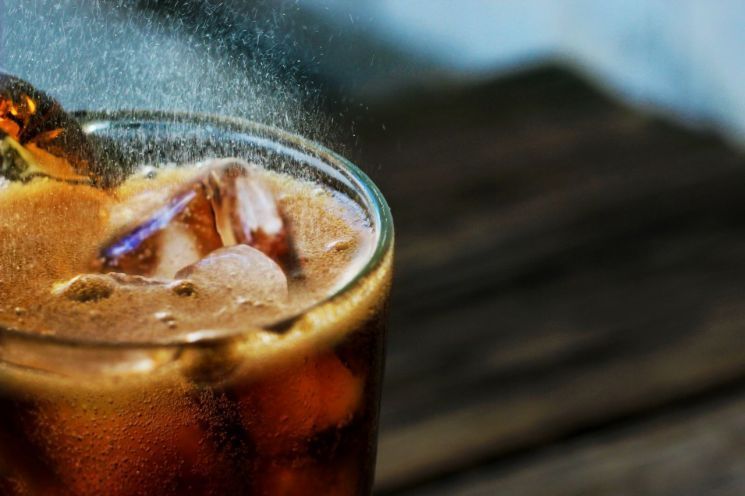 A study has found that beverages like 'Zero Cola' consumed for dieting increase the risk of developing diabetes more than traditional sugar-sweetened drinks. Photo by Pixabay
According to the New York Post on August 5, this study was jointly conducted by Monash University, RMIT (Royal Melbourne Institute of Technology), and the Victoria Cancer Council in Australia. The researchers surveyed the consumption habits of sugar-sweetened and artificially sweetened beverages among 36,608 Australian adults aged 40 to 69, and followed them for 14 years.
The study found that people who consumed artificially sweetened beverages at least once a day had a 38% higher risk of developing type 2 diabetes. For those who drank sugar-sweetened beverages at the same frequency, the risk increase was 23%. Dr. Rovel Hussen Kaptimer, a nutritionist at Monash University, explained, "There is a common belief that artificial sweeteners are a healthier alternative to sugar, but these results show that artificial sweeteners themselves can increase the risk of diabetes."
Interestingly, when weight was included as a control variable, sugar and artificial sweeteners acted differently. For sugar-sweetened beverages, the association with diabetes disappeared when weight was taken into account. In other words, in cases of obesity, excess body weight beyond the normal range was the main risk factor for diabetes, and the influence of sugar itself was negligible. This mechanism can be explained as sugar-sweetened beverage consumption leading to excessive caloric intake, resulting in obesity, which then causes insulin resistance and ultimately increases diabetes risk. In contrast, artificially sweetened beverages remained a significant variable even after adjusting for weight. This suggests that artificial sweeteners may act as an independent risk factor for diabetes, regardless of body weight.
Is the cause metabolic toxicity? ... Gut microbiota and glucose metabolism suspected
 A study has found that beverages like 'Zero Cola' consumed for dieting increase the risk of developing diabetes more than traditional sugar-sweetened drinks. Photo by Pixabay
The researchers interpreted that artificial sweeteners could increase diabetes risk through various biological pathways, directly affecting metabolism without causing weight gain. These pathways may include disruption of gut microbiota, abnormal glucose metabolism, and changes in insulin response. Previous studies have shown that aspartame can trigger a postprandial insulin response similar to sugar, and that saccharin and sucralose can reduce glucose tolerance in a short period by altering the composition of gut microbiota (decreasing beneficial bacteria and increasing harmful bacteria).
Professor Barbora de Courten, a biomedical scientist at RMIT, explained, "Artificial sweeteners are often recommended as a healthy alternative for people at risk of diabetes, but this study shows that artificial sweeteners themselves can pose health risks." She added, "Artificially sweetened beverages are often promoted as being better for health, but they can be risky in their own right," and emphasized, "Future policies should take a broader approach, aiming to reduce the consumption of all zero-calorie beverages."
© The Asia Business Daily(www.asiae.co.kr). All rights reserved.
![Clutching a Stolen Dior Bag, Saying "I Hate Being Poor but Real"... The Grotesque Con of a "Human Knockoff" [Slate]](https://cwcontent.asiae.co.kr/asiaresize/183/2026021902243444107_1771435474.jpg)
















