Confirmed Cases Concentrated in Foshan, Where SARS Broke Out in 2003
Pace of Infections Slows Down
Mosquito-Borne Disease Causes High Fever and Joint Pain
The official cumulative number of confirmed cases of chikungunya fever, which is currently spreading in China, has surpassed 7,000. This mosquito-borne disease is accompanied by high fever and severe joint pain. Although the likelihood of death is low, there is still no definitive vaccine or treatment, so caution is necessary.

According to China News Service on August 4, the Guangdong Provincial Center for Disease Control and Prevention announced that from 00:00 on July 27 to 00:00 on August 3, a total of 2,892 new cases of chikungunya fever were confirmed across the province, bringing the cumulative total to 7,716. Previously, authorities in Guangdong had reported 4,824 confirmed cases as of 00:00 on July 27.
The majority of confirmed cases have been reported in Foshan, which is known as the center of Chinese manufacturing and the place where the 2003 SARS (Severe Acute Respiratory Syndrome) outbreak began. In addition, confirmed cases have also been reported in Guangzhou, Shenzhen, Zhongshan, Dongguan, Zhuhai, Heyuan, Jiangmen, and Yangjiang.
However, the rate of spread appears to have slowed somewhat. Authorities stated that from July 29 to August 2, the daily number of new confirmed cases in Shunde District of Foshan, where the outbreak is most severe, showed a downward trend for five consecutive days: 408, 362, 312, 258, and 192. They also explained that there have been no severe or fatal cases among the confirmed patients, and all cases have been mild.
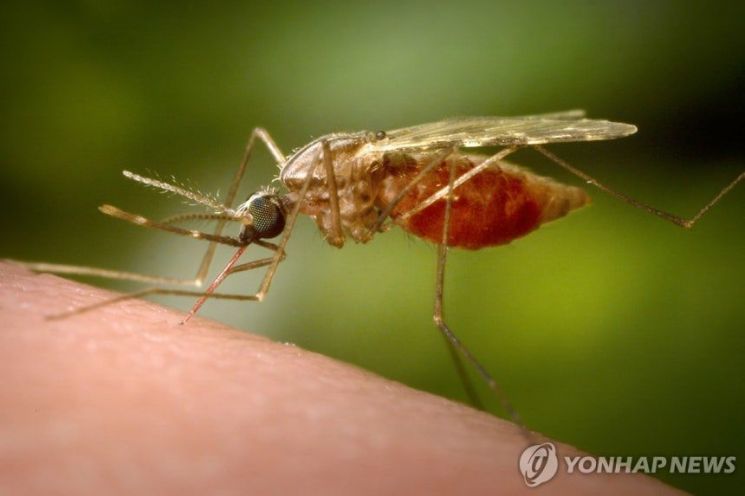
Chikungunya fever is a mosquito-borne viral disease. After an incubation period of typically 1 to 12 days, patients develop acute fever, severe joint pain, and rash. The fatality rate is less than 1%. However, experts explain that since there is still no definitive vaccine or treatment, the possibility of deaths cannot be ruled out in the event of a large-scale outbreak. There have been no cases of human-to-human transmission, nor is there evidence that it is possible. Nevertheless, people aged 65 or older and those with underlying conditions such as hypertension or heart disease are at increased risk of complications and should exercise caution.
The best way to prevent infection is to avoid mosquito bites. Chinese authorities have advised citizens to install window screens and wear long-sleeved clothing. They also recommended checking for and eliminating risk factors such as stagnant water in hydroponic plants. In addition, since July 27, authorities have launched large-scale disinfection efforts, including releasing about 5,000 fish that feed on mosquito larvae into ponds and streams.
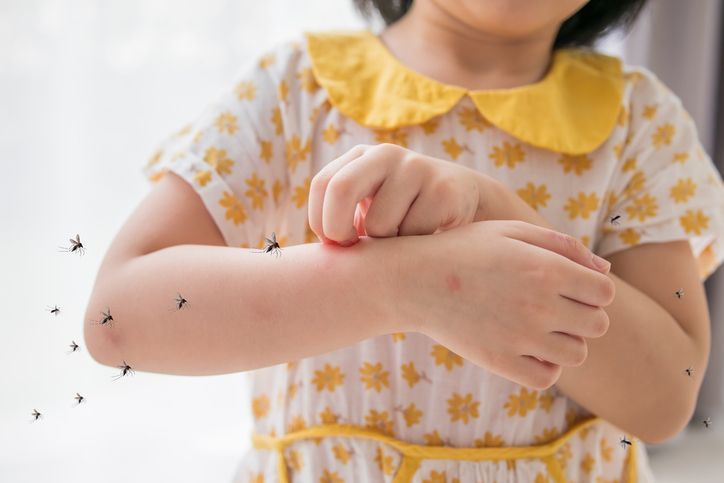 The official cumulative number of confirmed cases of chikungunya fever has surpassed 7,000. This mosquito-borne disease is accompanied by high fever and severe joint pain. Getty Images
Meanwhile, South Korea has also strengthened its response in preparation for the possible introduction of chikungunya fever. Since the first case was identified in 2013, a total of 71 cases had been reported as of July 25, with only one case reported this year. All patients had been infected overseas before entering the country.
The Korea Disease Control and Prevention Agency has advised those planning overseas travel during the holiday season to check the infectious disease situation and precautions in their destination country, and to avoid areas with many mosquitoes such as grasslands and mountains whenever possible. They also recommended wearing light-colored long clothing and preparing mosquito repellent for use every 3 to 4 hours while traveling. In addition, if any suspicious symptoms occur within two weeks after returning to Korea, travelers should visit a medical institution, inform them of their travel history, and receive medical care.
© The Asia Business Daily(www.asiae.co.kr). All rights reserved.
![Clutching a Stolen Dior Bag, Saying "I Hate Being Poor but Real"... The Grotesque Con of a "Human Knockoff" [Slate]](https://cwcontent.asiae.co.kr/asiaresize/183/2026021902243444107_1771435474.jpg)

















