Based on its experience in responding to COVID-19, Gyeonggi Province has established a permanent infectious disease response system by expanding the number of epidemiological investigators, introducing a malaria alert system, and supporting vaccinations for workers at facilities vulnerable to infection.
According to Gyeonggi Provincial Government on July 3, the province first increased the number of epidemiological investigators from 6 to 9 to strengthen its capacity for infectious disease research, outbreak surveillance, and epidemic containment. In addition, the number of municipal and county field investigators was expanded from 0 to 100. As a result, the total number of epidemiological investigators in the province has increased to 109.
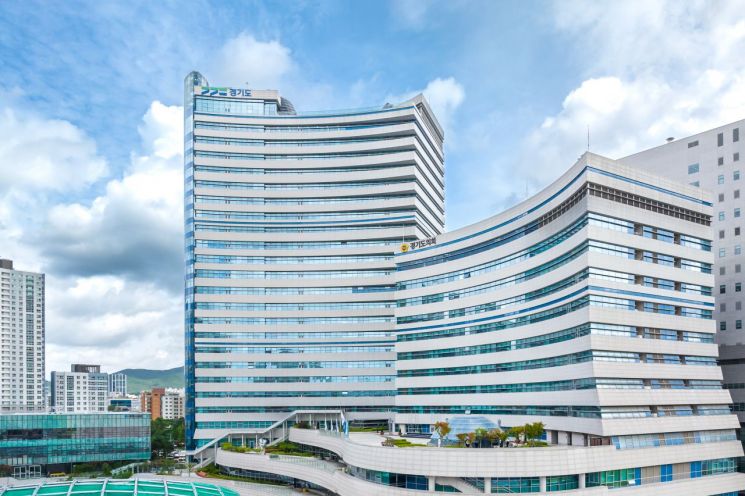
Gyeonggi Province has also established a permanent and emergency response system that can simultaneously handle all stages, from reporting and notification of new infectious diseases to securing hospital beds, for Ebola and Middle East Respiratory Syndrome (MERS), which are classified as Class 1 infectious diseases due to their high transmissibility and fatality rates. In particular, to ensure immediate response to Class 1 infectious diseases, the province has designated dedicated personnel and an emergency contact network, operating a 24-hour emergency duty system.
Furthermore, Gyeonggi Province is strengthening prevention efforts such as malaria eradication and tuberculosis management projects, and this year will concentrate personnel and budget in areas with high malaria incidence, including Paju, Gimpo, and Goyang. In addition, to reduce the number of tuberculosis patients to fewer than 20 per 100,000 population by 2027, the province will reinforce targeted support systems, including screening for vulnerable groups, medication support for non-adherent tuberculosis patients, and management of foreign patients.
In addition, Gyeonggi Province will support influenza vaccinations for workers at facilities vulnerable to infection, such as nursing hospitals, to help manage the health of seniors aged 65 and older this year. This initiative aims to maintain community care services and covers a total of 51,702 workers at 3,944 facilities located in 19 cities and counties in the province, including Suwon. The total project budget is 930 million KRW.
Yoo Youngcheol, Director of the Health and Wellness Bureau of Gyeonggi Province, stated, "The COVID-19 pandemic reaffirmed that responding to infectious diseases is not just an administrative task, but a national challenge that requires a high level of expertise and a sustainable system." He added, "Based on the foundation established by reorganizing our infectious disease response organization and accumulating capabilities during the 8th popularly elected administration, Gyeonggi Province will now fully implement a practical response system that operates effectively in the field."
© The Asia Business Daily(www.asiae.co.kr). All rights reserved.
![Clutching a Stolen Dior Bag, Saying "I Hate Being Poor but Real"... The Grotesque Con of a "Human Knockoff" [Slate]](https://cwcontent.asiae.co.kr/asiaresize/183/2026021902243444107_1771435474.jpg)















