Introduction of Electronic Consent Reduces Approval Process from Five Months to Two Weeks
Eased Restrictions on Public Housing Land Resale... Revitalizing Private Sector Supply
Support for Living, Medical, and Educational Needs of 12.29 Passenger Plane Disaster Victims
The government is set to overhaul regulations in order to significantly accelerate the redevelopment of aging planned cities. On June 19, the Cabinet approved a total of four legislative amendments and enactments, including the Enforcement Decree of the Act on the Redevelopment of Aging Planned Cities. An "aging planned city" refers to an area that has been developed for over 20 years and covers more than 1 million square meters, as defined by the Special Act on the Redevelopment and Support of Aging Planned Cities. First-generation new towns such as Bundang in Seongnam and Ilsan in Goyang fall under this category.
The key change is the introduction of an electronic consent system for land and property owners. The previous paper-based consent method took more than five months for complexes with 3,000 households, but with the introduction of electronic consent, the government expects the process to be shortened to around two weeks.
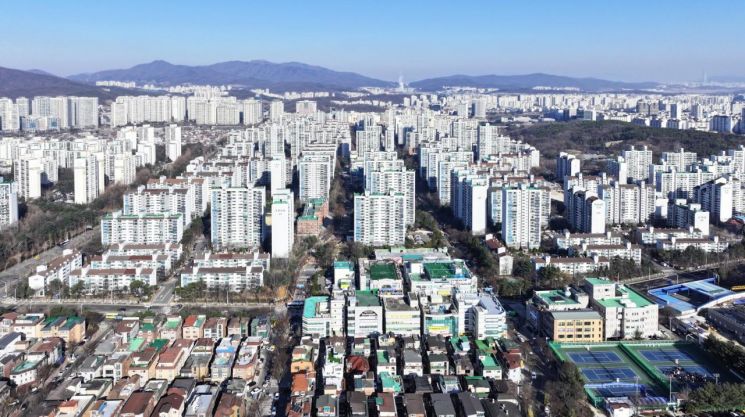
This amendment aims to lay the groundwork for large-scale redevelopment projects such as the renewal of first-generation new towns. Residents will be able to confirm their identity via a smartphone authentication link and give their consent with a click, thereby improving both convenience for residents and administrative efficiency. The Ministry of Land, Infrastructure and Transport is already piloting the electronic consent system through the Smart City Regulatory Sandbox program and plans to expand it nationwide in the future.
On the same day, the Cabinet also approved amendments to the Enforcement Decree of the Housing Site Development Promotion Act and the Enforcement Decree of the Special Act on Public Housing, which relax restrictions on the resale of land for multi-family housing. In the future, land for multi-family housing supplied in public housing sites can be resold within a certain period under specified conditions to real estate investment companies or general businesses. This aims to encourage timely housing supply by revitalizing private sector participation.
In addition, the Cabinet approved the enactment of the Enforcement Decree of the Special Act on Support for Victims of the 12·29 Passenger Plane Disaster. The decree stipulates living support payments, medical and psychological treatment, educational expenses, emergency welfare, and childcare services for the families of victims, and will take effect from June 30. Based on feedback from bereaved families, the new decree also broadly includes legal support, community recovery programs, and the establishment of a memorial committee.
© The Asia Business Daily(www.asiae.co.kr). All rights reserved.
![Clutching a Stolen Dior Bag, Saying "I Hate Being Poor but Real"... The Grotesque Con of a "Human Knockoff" [Slate]](https://cwcontent.asiae.co.kr/asiaresize/183/2026021902243444107_1771435474.jpg)















