Rare Earth Reserves Ten Times Greater Than the US
Abundant Permanent Magnets Essential for Electric Vehicles
Reducing Mining and Refining Costs Is Essential
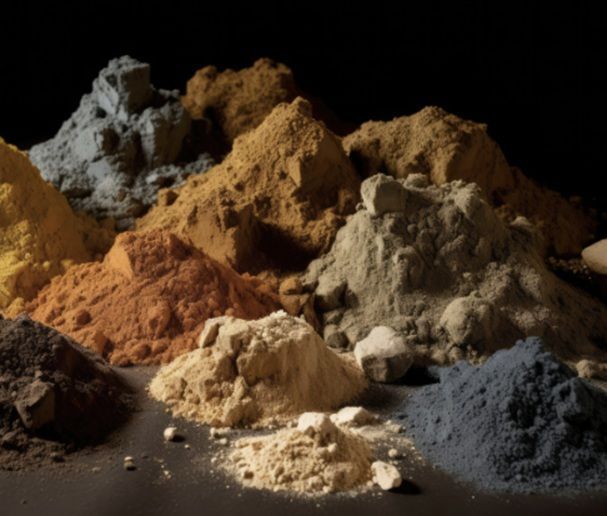
Brazil is emerging as a new rare earth supply source for the United States, potentially replacing China. With the world's second-largest reserves after China, Brazil is now seeing significant investment from American and Canadian capital, leading to active mine development. However, China's market share in rare earth mining and refining is as high as 70%, and its production costs are only one-third of Brazil's. As a result, it will be difficult to overturn China's dominance in the market in the near future.
Canadian Aclara develops rare earth mine in Brazil to supply the US
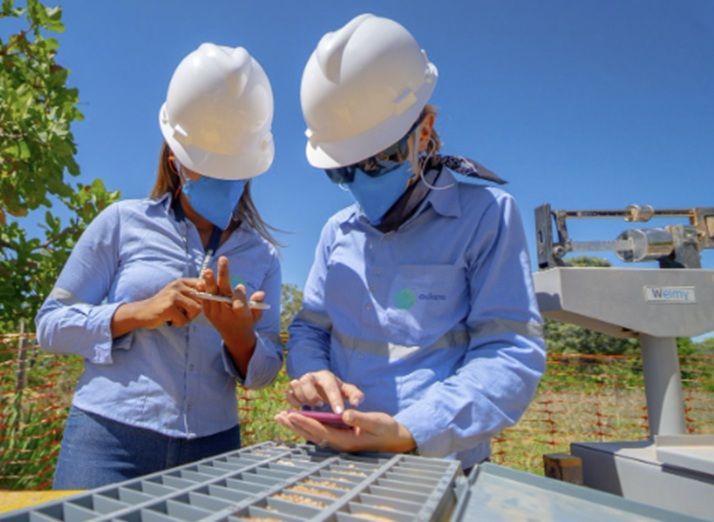
The Wall Street Journal (WSJ) recently reported that the US government, which is engaged in a trade dispute with China, is behind the development of Brazilian mines.
Canadian mining company Aclara Resources (ARA) is developing a rare earth mine in the Goias region of Brazil. The company plans to supply all of the rare earths mined there to the US local plant of German permanent magnet manufacturer VAC. The permanent magnet production plant, located in South Carolina, received $94 million (about 130.7 billion won) in support from the US Department of Defense. This is because VAC's permanent magnets are one of the raw materials used by automaker General Motors (GM). This also means that GM, an American company, has secured an additional rare earth supply chain outside of China.
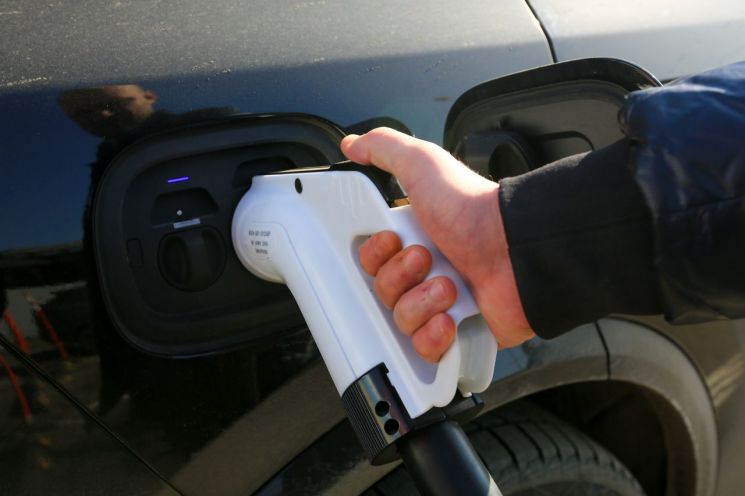
Permanent magnets are essential for electric vehicle production and have so far been highly dependent on China. However, last month, China announced export controls on rare earths in response to the US government's trade dispute, prompting calls for alternative supply chains and bringing Brazil into the spotlight as a new candidate for rare earth supplies.
Second-largest reserves after China... Abundant permanent magnets for electric vehicles
According to the "2025 Mineral Commodity Summaries (MCS)" report published by the US Geological Survey (USGS) in March, Brazil's rare earth reserves are estimated at 21 million tons. This is the second-largest in the world after China (44 million tons) and more than ten times greater than the US.
Vietnam was previously considered the country with the world's second-largest reserves, but the USGS recently revised its estimate for Vietnam's rare earth reserves drastically downward from 22 million tons to 3.5 million tons. As a result, the global ranking of rare earth reserves has been adjusted to China, Brazil, India (6.9 million tons), Australia (5.7 million tons), Russia (3.8 million tons), and Vietnam, in that order.
Brazil is known to have large deposits of rare earth minerals essential for producing permanent magnets used in electric vehicles, such as neodymium and praseodymium. Currently, Brazil produces about 1,000 tons of rare earths annually, but with increased investment from Western countries such as the US and Canada, it is expected that annual production will exceed 5,000 tons starting in the 2030s.
Mining and refining costs three times higher than in China
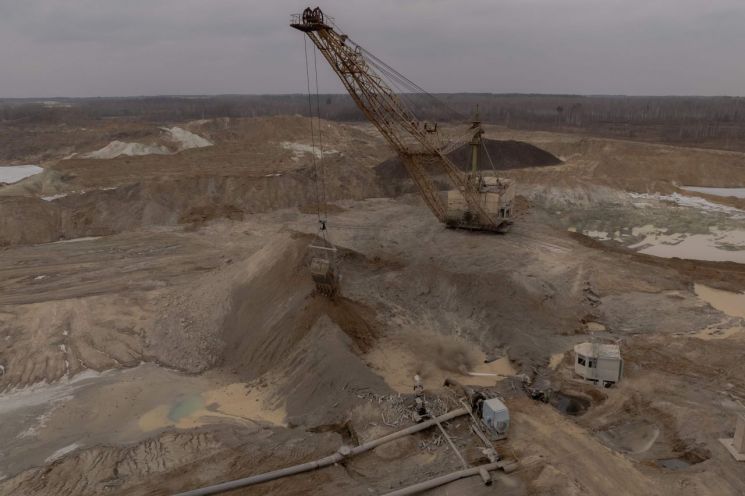
However, even if Brazil's rare earth mines are developed, it will be difficult for them to grow quickly enough to threaten China's dominant position in the rare earth market. This is because it is not easy to compete on price against Chinese rare earths, which benefit from very low environmental regulations and low production costs.
According to the USGS, global rare earth production in 2024 is 390,000 tons, with China accounting for 69%, or 270,000 tons. Of the rare earths imported into the US, 70% are from China. In addition, more than 90% of mined rare earths are refined and sold in China. China uses relatively inexpensive ammonium sulfate solution for refining rare earths, but this causes severe soil and water pollution, leading other countries to avoid its use due to environmental regulations.
The WSJ pointed out, "Brazil's environmental regulations are much stricter than those in China, so the cost of mining and refining rare earths is more than three times higher. In addition, there are only a handful of companies outside China that have fully mastered rare earth processing technology, and the learning process is extremely difficult."
© The Asia Business Daily(www.asiae.co.kr). All rights reserved.
![Clutching a Stolen Dior Bag, Saying "I Hate Being Poor but Real"... The Grotesque Con of a "Human Knockoff" [Slate]](https://cwcontent.asiae.co.kr/asiaresize/183/2026021902243444107_1771435474.jpg)

















