Hampyeong County in Jeollanam-do announced on May 7 that, with the start of the chili pepper transplanting season in May, it is urging farmers to pay special attention to early pest and disease management to ensure stable production.
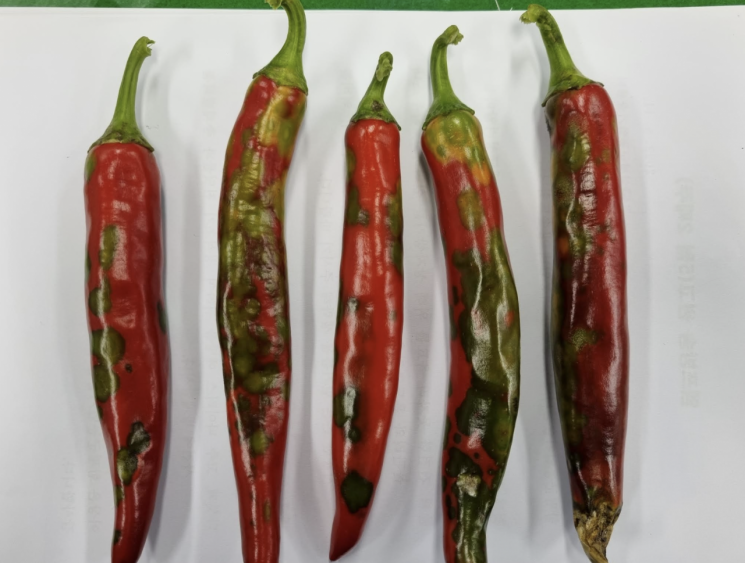
During the chili pepper transplanting period, using healthy seedlings and controlling early-stage pests and diseases are key to stable growth and securing yields. In particular, special attention is needed to control vector insects such as aphids and thrips, which transmit viruses.
May and June are peak periods for thrips infestations. To maximize control effectiveness, it is recommended to alternate between two specialized pesticides with different modes of action every 10 days until mid-July. This approach can also eliminate thrips hiding inside chili pepper flowers.
Moon Jeongmo, Director of the Agricultural Technology Center, said, "We ask that you pay close attention to pest and disease outbreaks after transplanting to ensure stable chili pepper production," and added, "If you notice any suspicious symptoms, please contact the Agricultural Technology Center immediately to minimize damage."
© The Asia Business Daily(www.asiae.co.kr). All rights reserved.