First Quarter Purchases of Slow-Aging Diet Foods Reach 293.3 Billion Won, Up 17% from Previous Quarter
Sustainable Slow-Aging Diets Gain Attention for Their Convenience
Recently, the slow-aging diet has been gaining attention as it spreads to the ready-to-eat meal market, emerging as a sustainable health management method that can be consistently practiced amid busy daily routines.
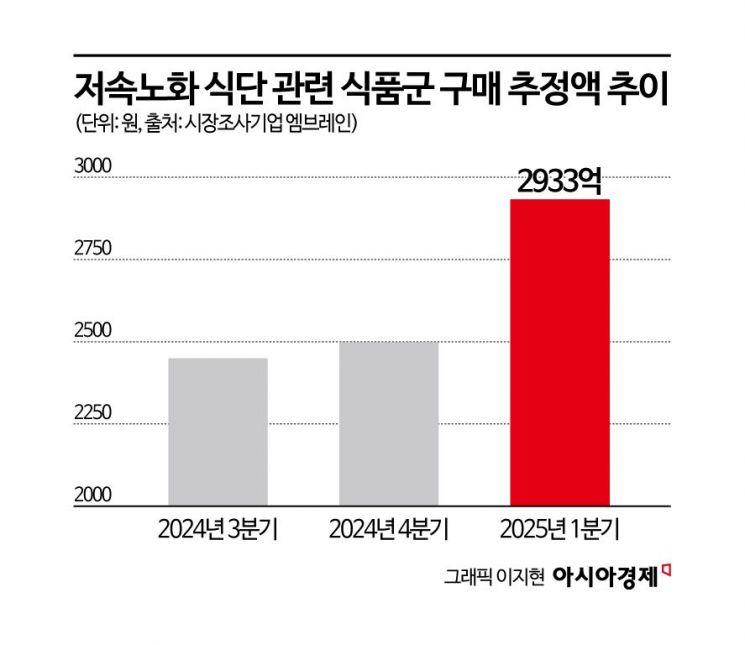
According to market research firm Embrain on May 3, the estimated purchase amount for slow-aging diet-related food categories?such as grains, salads, and protein products?sold at hypermarkets and convenience stores in the first quarter of this year reached 293.3 billion won, marking a 17.4% increase compared to the previous quarter's 249.9 billion won.
The rapid growth of the related food market is attributed to the increasing attention on the slow-aging diet. The slow-aging diet focuses on reducing foods that accelerate aging, such as refined grains, red meat, and animal-based protein, while increasing the intake of leafy green vegetables and nuts.
In particular, it is not easy for busy modern people to maintain a slow-aging diet, and it also requires economic means. As a result, there is a rising demand for ready-to-eat meals and convenient health foods that help maintain such a diet.
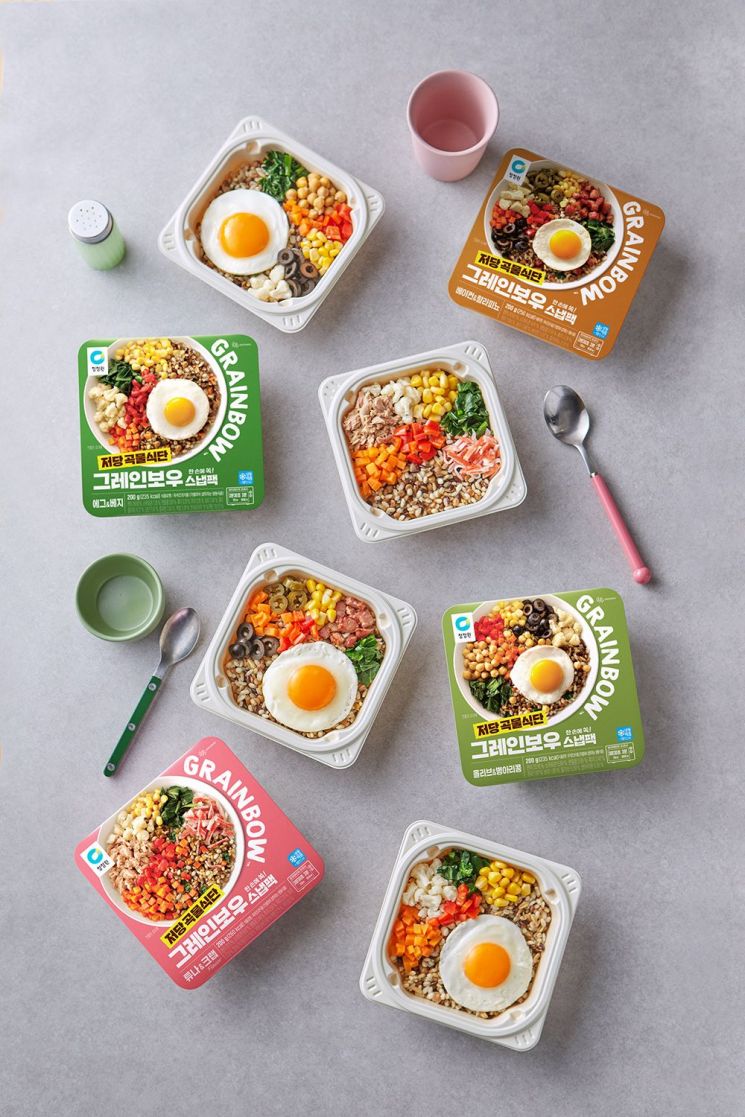
The food industry is responding quickly to this trend. Daesang Cheongjeongwon is aggressively expanding its lineup of low-sugar lunchboxes, 'Grainbow,' which are based on mixed grains. Grainbow, a compound word of 'grain' and 'rainbow,' is a product that contains a variety of grains such as brown rice, oats, and lentils, as well as ingredients like meat, vegetables, and seafood. Reflecting trends such as slow-aging, veganism, and healthy pleasure, Grainbow surpassed 1 million cumulative units sold in just a year and a half after its launch in March last year.
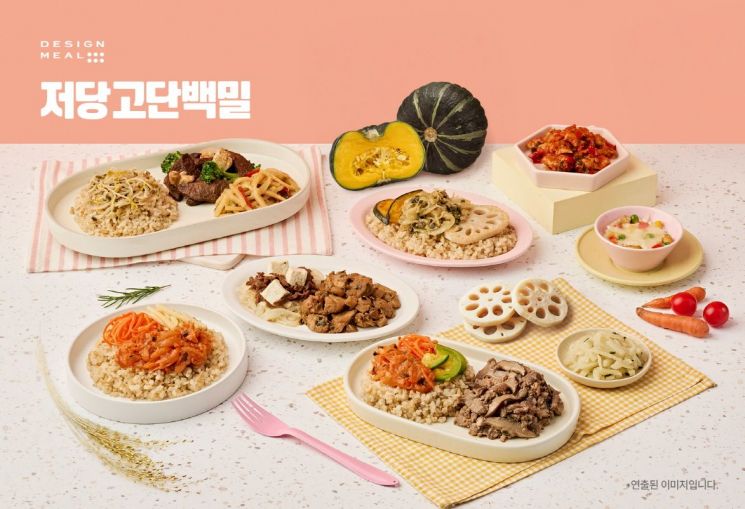
Pulmuone's personalized meal subscription service 'Design Meal' is also receiving a strong response amid the slow-aging trend. 'Design Meal Low-Sugar High-Protein Meal,' launched in December last year, has seen its total customer base steadily increase, with sales more than tripling compared to immediately after launch, particularly among the MZ generation. From the beginning, customers in their 20s and 30s accounted for more than half of all buyers, and now the number of customers in their 40s is also on the rise. The company evaluated, "Our strategy of precisely targeting the MZ generation's demand for both convenience and health has proven effective."
Meanwhile, interest in blood sugar management is also rising alongside the slow-aging diet. According to a survey on blood sugar management conducted by Embrain among 1,000 men and women aged 19 to 69 nationwide, 67.1% responded that overall interest in blood sugar management has increased recently, and 57.8% said that more people around them are becoming interested in blood sugar management, indicating that social interest is spreading.
In fact, about half of all respondents said they regularly consume diets that help manage blood sugar (55.5% agreement rate) or try to avoid foods that cause 'blood sugar spikes' as much as possible (49.5%), showing that attitudes toward blood sugar control are becoming embedded in daily life. In addition, the vast majority of respondents said that blood sugar should be managed in advance from a young age (84.1%), and that simply managing one's daily diet can prevent blood sugar-related diseases such as diabetes (79.8%), indicating that blood sugar management is considered a health habit to be practiced in everyday life.
However, there were clear differences by age group in the blood sugar management methods being practiced. The older the respondents, the more likely they were to manage blood sugar through physical activities and dietary improvements, such as regular exercise or increasing fiber intake. In contrast, younger respondents showed a higher tendency to manage blood sugar by consuming zero-calorie beverages or foods and using sugar substitutes, relying more on 'low-sugar products.' It is interpreted that the younger generation prefers practical and convenient methods, leading to a higher preference for low-sugar products that can help control blood sugar without sacrificing taste or convenience.
© The Asia Business Daily(www.asiae.co.kr). All rights reserved.
![Clutching a Stolen Dior Bag, Saying "I Hate Being Poor but Real"... The Grotesque Con of a "Human Knockoff" [Slate]](https://cwcontent.asiae.co.kr/asiaresize/183/2026021902243444107_1771435474.jpg)

















