Despite Reduction Policies, Per Capita Waste Reaches 36 kg
Total Amount Surpasses 7.26 Million kg, Disposal Costs Exceed 1.37 Billion Won
Lack of Practical Education for Students Raises Questions of Effectiveness
Civic Group Urges Prompt Action, Citing Need to Learn from Other Regions
It has been found that the amount of food waste generated during school meal services in the Gwangju area has been increasing every year. Despite the reduction policies implemented by the education authorities, critics point out that there are still no effective measures in place.
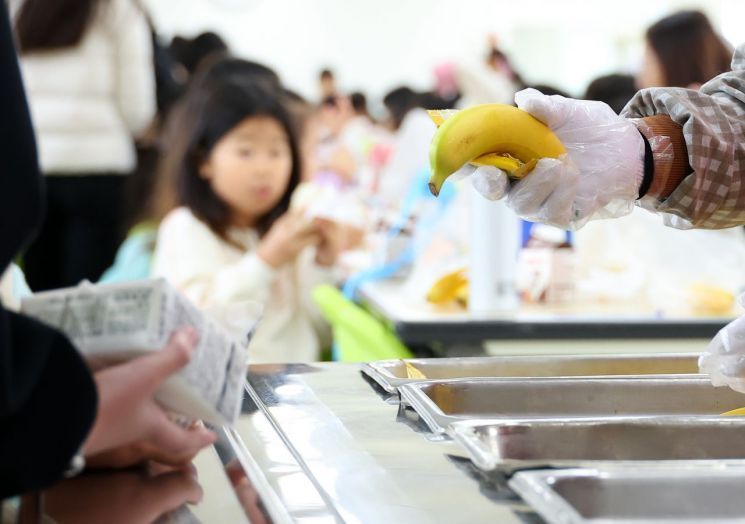
According to data titled "Food Waste Generation and Disposal Costs in School Meals from 2020 to 2024," obtained by the civic group Citizens' Coalition for a Society Without Discrimination through a request for information disclosure from the Gwangju Metropolitan Office of Education and local education support offices on May 1, the average amount of food waste generated per person increased from 18.13 kg in 2020 to 36.14 kg in 2024. The total amount of food waste surged from approximately 3.8 million kg to 7.26 million kg during the same period, and the cost of food waste disposal reached about 1.37 billion won.
The Gwangju Metropolitan Office of Education announced a policy in 2021 to reduce the amount of food waste by 10% and introduced various educational programs and guidelines. However, the amount of food waste has continued to rise each year. The Citizens' Coalition for a Society Without Discrimination pointed out that "the policy has had little effect or is not functioning properly in the field."
The school cafeteria is a space that students encounter every day and serves as a site for practical education to address the climate crisis and raise awareness about dietary habits. However, there is criticism that the current management approach is failing to make full use of these educational opportunities.
The organization urged, "The education authorities should actively review exemplary cases from other cities and provinces to establish practical reduction measures and strengthen dietary education." They added, "Responsible action is needed to prevent budget waste caused by food waste and to ensure that students grow into environmentally conscious citizens."
© The Asia Business Daily(www.asiae.co.kr). All rights reserved.
![Clutching a Stolen Dior Bag, Saying "I Hate Being Poor but Real"... The Grotesque Con of a "Human Knockoff" [Slate]](https://cwcontent.asiae.co.kr/asiaresize/183/2026021902243444107_1771435474.jpg)















