Rebound in Performance Thanks to Sales of Multi-Family Housing Sites... 340 Billion KRW Operating Profit
Debt Up 7 Trillion KRW from Last Year... Surpasses 160 Trillion KRW, All-Time High
Rental Business Still in the "Red Zone"... Cost Ratio Exceeds 200 Percent
Land Contract Cancellations Total 2.7 Trillion KRW... Underlying Fundamentals Remain Unstable
Korea Land and Housing Corporation (LH) achieved a turnaround in performance last year by recording an operating profit of 340 billion KRW, thanks to sales of multi-family housing sites and other factors. However, its debt once again reached a record high.
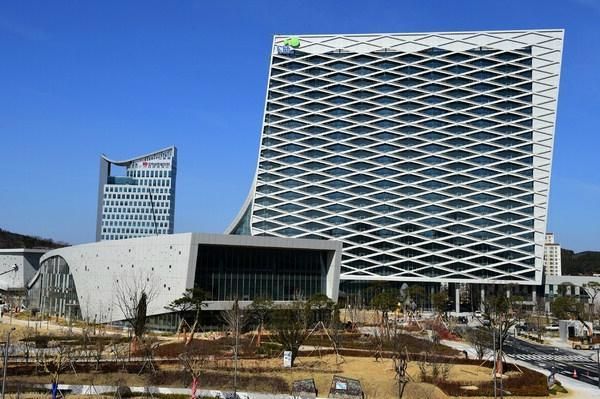
According to LH on the 15th, the fiscal year 2024 financial results showed sales of 15.5722 trillion KRW, operating profit of 340.4 billion KRW, and net income of 760.8 billion KRW. Compared to the previous year, sales increased by 12.1% and operating profit surged by 678%. The improvement in performance is attributed to an increase in the supply of high gross margin multi-family housing sites and similar assets.
Considering that the cost of sales ratio reached 98.6% until the first half of last year, raising concerns about losses, these results are relatively strong. However, they fall significantly short of LH's own targets. Compared to the sales (17.8772 trillion KRW) and operating profit (1.0245 trillion KRW) forecasted by LH at the beginning of last year, the actual figures are 12.9% and 66.7% lower, respectively.
LH's profitability depends heavily on 'goods sales revenue' from land and housing sales. The rental business has a cost ratio exceeding 200%, resulting in losses the more it operates. In fact, some of LH's long-term rental housing units charge monthly rents around 50,000 KRW, while maintenance and repair costs can reach several hundred thousand KRW. The structure of covering rental business losses with land sales is reaching its limits recently. Due to tightening in the project financing (PF) market, land sale contracts are often canceled or delayed. Last year, 25 public land parcels had their contracts canceled, amounting to 2.7052 trillion KRW.
As of the end of 2024, LH's debt stands at 160.1055 trillion KRW, an increase of 7.2 trillion KRW from the previous year, marking a record high. The debt ratio decreased slightly by 0.6 percentage points to 217.7% from 218.3% the previous year. This decline is due to capital increasing by 5.1% to 73.547 trillion KRW from 70.0095 trillion KRW the previous year. There are projections that LH's debt could rise to 236 trillion KRW by 2028. Especially if there is a change in administration, policies such as expanding rental housing for low-income groups are expected to intensify, increasing LH's burden to cover losses.
© The Asia Business Daily(www.asiae.co.kr). All rights reserved.
![Clutching a Stolen Dior Bag, Saying "I Hate Being Poor but Real"... The Grotesque Con of a "Human Knockoff" [Slate]](https://cwcontent.asiae.co.kr/asiaresize/183/2026021902243444107_1771435474.jpg)















