Fake Easter Eggs Trend in the U.S.
European Countries Refuse Exports Ahead of Peak Season
In the United States, where egg prices are soaring, various types of 'fake eggs' have appeared ahead of the Easter holiday.
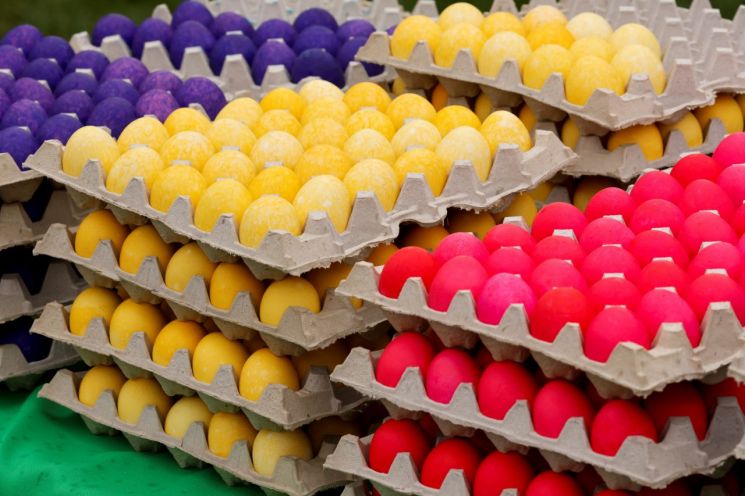
On the 12th (local time), local media including ABC reported that ahead of Easter on the 20th, Americans are trending ways to make fake Easter eggs using potatoes, marshmallows, stones, and other materials instead of real eggs.
During Easter, Christians share eggs that are dyed and decorated with drawings as a symbol of blessing. Since eggs represent the endless continuity of life, they gift eggs to each other to honor Christ who overcame death and was resurrected and ascended.
Recently, due to avian influenza (AI), egg prices have surged across the United States. Since the outbreak of AI in 2022, 166 million laying hens have been culled, and the impact continues. In February, a dozen large Grade A eggs in the U.S. traded at an average price of $5.89. Before the AI outbreak, in February 2021, the price for the same grade eggs was only $1.59.
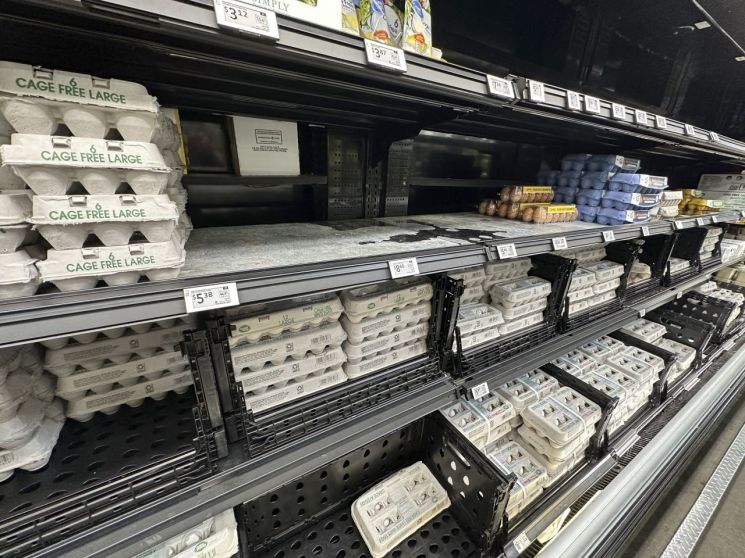
Given this situation, more people are commemorating Easter with foods other than eggs. Recently, videos have been posted on social media (SNS) showing round marshmallows dyed and decorated to look like chicks or Easter eggs made from potatoes.
ABC analyzed that these methods first became popular ahead of Easter 2023 when egg prices began to rise.
Paas, a company selling egg decorating kits, revealed in a survey that 94% of respondents said they would decorate eggs this Easter, but 78% said they would buy fewer eggs than before.
The U.S. government is inquiring with countries worldwide about the possibility and volume of egg exports. Recently, Geolim Farm in Asan, Chungnam, exported 20 tons of special eggs (11,172 trays, 335,160 eggs) to Georgia, USA, marking the first domestic export of this kind.
However, European countries are reluctant ahead of Easter, which is considered a peak season for eggs. The supply situation within Europe is tight. Gian Luca Bagnara, head of the Italian Egg Producers Association, said, "We want to help, but Italy exports only about 10% of its production, so our capacity is limited." The Lithuanian Poultry Association also stated that exports to European Union (EU) member countries take priority.
© The Asia Business Daily(www.asiae.co.kr). All rights reserved.