To Prevent Serratia Marcescens Bacteria
Keeping Bathrooms Dry and Clean is Essential
An expert has warned that the pink stains commonly found in bathroom sinks or toilets can be fatal to health.
Recently, the Daily Mail reported on a video posted on social media by Karan Rajan, a surgeon affiliated with the UK's National Health Service (NHS). In the video, Karan addressed the pink stains found in bathrooms and other places.
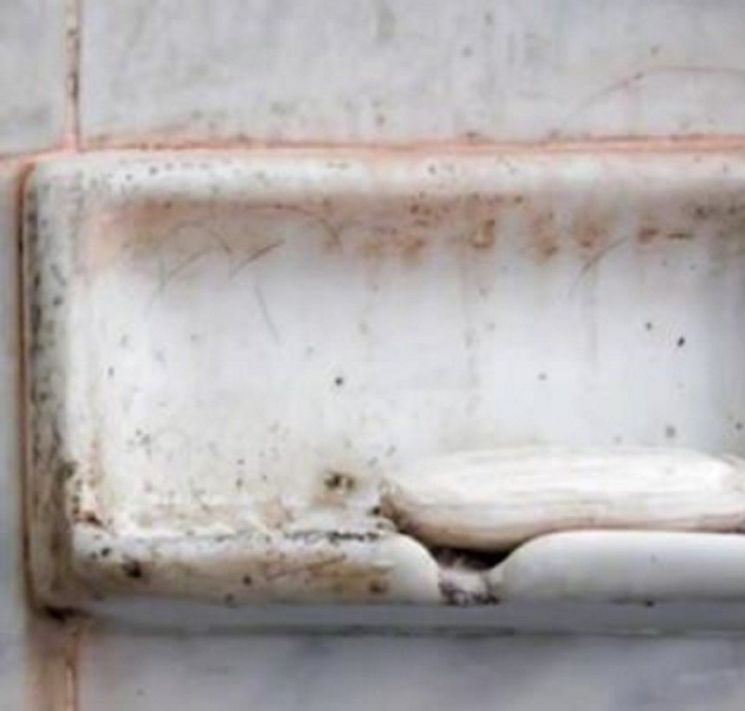
Karan explained, "These stains are not just simple mold but bacteria called Serratia marcescens," adding, "They thrive in damp environments."
Serratia marcescens forms pink or red biofilms as it reproduces. It is often found in moist areas such as showers, sinks, and toilets. It is also frequently observed in the gaps between tiles where water accumulates.
Karan Rajan warned, "This bacteria can cause infections such as conjunctivitis," and "It can cause symptoms like itching, burning sensation, and pus. The risk of infection is especially higher for people with weakened immune systems or patients undergoing cancer treatment." He also stated, "If Serratia marcescens infects the chest or intestines and enters the bloodstream, it can cause pneumonia or sepsis."
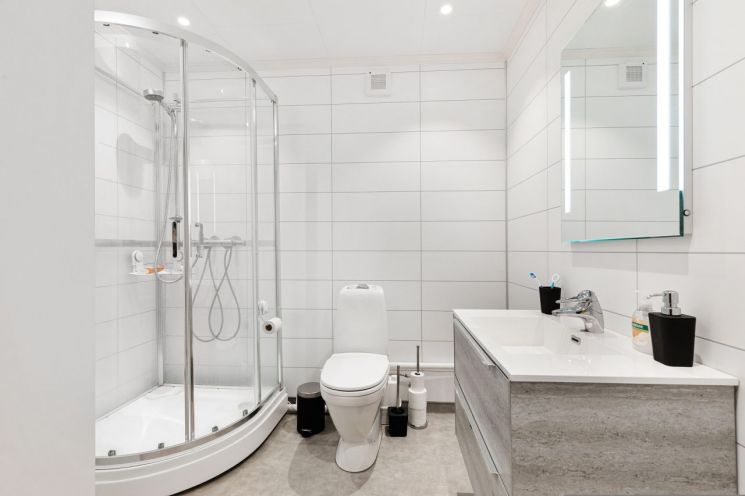 Surgeon Karan Rajan of the UK's National Health Service (NHS) has issued a warning about pink stains in the bathroom. Photo by Pixabay
A 2013 paper published in the National Library of Medicine states that Serratia marcescens bacteria can cause urinary tract infections, respiratory infections, and conjunctivitis. Rarely, it can also cause pneumonia and meningitis. If found in medical institutions such as hospitals rather than home bathrooms, it can lead to hospital-acquired infections and even sepsis.
According to a clinical study on Serratia marcescens sepsis by the Department of Internal Medicine at Yonsei University College of Medicine, published in the Korean Journal of Internal Medicine, Serratia marcescens found in hospitals exhibits complex resistance to multiple antibiotics, and infections can progress to sepsis. Sepsis caused by this bacteria is difficult to treat. However, it generally does not pose a significant threat to healthy individuals.
Karan Rajan advised, "It is important to keep the bathroom dry and well-ventilated after showering," and "Opening windows to reduce humidity and regularly cleaning the bathroom helps in prevention."
© The Asia Business Daily(www.asiae.co.kr). All rights reserved.
![Clutching a Stolen Dior Bag, Saying "I Hate Being Poor but Real"... The Grotesque Con of a "Human Knockoff" [Slate]](https://cwcontent.asiae.co.kr/asiaresize/183/2026021902243444107_1771435474.jpg)
















