A man in his 70s, Mr. A, who had been reducing the use of heating devices and keeping the indoor temperature low due to economic burdens, was unable to maintain his body temperature as the indoor temperature dropped below 10 degrees Celsius due to a recent cold wave. He was transported to the emergency room with symptoms of hypothermia.
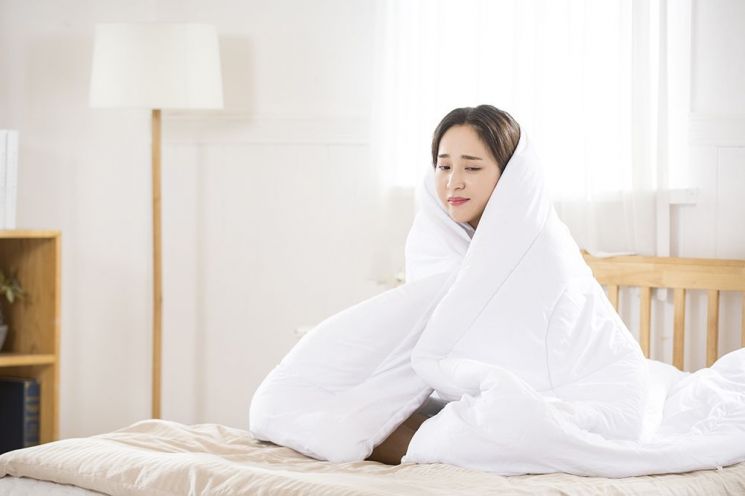
Hypothermia refers to a condition where the core body temperature falls below 35℃ due to prolonged exposure to cold environments, preventing the body from maintaining normal temperature. It is classified as a systemic cold-related illness, while localized conditions include frostbite, chilblains, trench foot, and immersion foot.
When body temperature drops, initial symptoms include shivering all over the body, especially severe trembling in the arms and legs. As the temperature falls further, shivering stops and muscle rigidity appears, causing slowed movements, slurred speech, and impaired memory and judgment. Eventually, consciousness becomes clouded and loss of consciousness may occur.
If the body temperature remains below 35℃, the functions of vital organs such as the heart, brain, and lungs deteriorate, posing a life-threatening risk, so caution is necessary.
When exposed to cold, the body responds by constricting peripheral blood vessels to reduce heat loss and inducing shivering to raise body temperature. However, in elderly individuals like Mr. A, autonomic nervous system and vascular defense mechanisms are weakened, resulting in a reduced compensatory response, making them more vulnerable to cold-related illnesses and requiring special attention.
According to the 2023-2024 cold-related illness emergency room surveillance system, among cold-related illness patients, 67.0% were men and 29.3% were aged 80 or older, with hypothermia accounting for 79.5% of cases. The most common locations of occurrence were roadside areas (21.5%), homes (18.0%), and residential surroundings (14.3%).
To prevent cold-related illnesses, maintain an appropriate indoor temperature of 18℃ to 20℃ and humidity of 40% to 60%. Using a temperature control timer set around 20 degrees is efficient. To prevent heat loss, use carpets or rugs, and block cold air inflow through window gaps by attaching insulation materials or using thick curtains.
Electric pads that locally raise temperature can maintain body heat with small energy consumption without turning on full heating, but they must be used efficiently after confirming safety precautions.
Before going outside, always check basic weather information along with the wind chill temperature. Wearing thermal underwear provides about 2.4℃ of insulation, so wear soft and absorbent thermal underwear when going outdoors.
The head and neck, where large blood vessels closest to the heart pass, lose heat the fastest among body parts, so keep them warm with scarves, masks, and hats. Hands and feet should also be kept warm with gloves and insulated shoes, and outdoor activities should be avoided as much as possible during cold waves.
Dr. Son Kang-ho, Director of the Regional Emergency Medical Center at Daedong Hospital (specialist in emergency medicine), advised, “Indoors, wind is blocked and the influence of outside temperature is reduced, but maintaining an appropriate temperature through heating is necessary to protect health. It is important to know and practice health guidelines to prevent cold-related illnesses.” He added, “Preventive measures must also be taken when working in low-temperature environments or engaging in outdoor activities such as climbing snowy mountains.”
He further stated, “Sensitive groups vulnerable to cold waves, such as the elderly or those with cardiovascular and cerebrovascular diseases, hypertension, diabetes, or hypothyroidism, should frequently check their health status and visit medical institutions immediately if abnormal symptoms occur.”
If you find a hypothermia patient, immediately call 119 and move the patient to a warm place until the ambulance arrives. If clothes are wet, remove them and wrap the body with a blanket. If the patient is conscious, keep them awake by talking and give warm drinks or chocolate. If unconscious, do not give food or drink due to the risk of choking.
© The Asia Business Daily(www.asiae.co.kr). All rights reserved.
![Clutching a Stolen Dior Bag, Saying "I Hate Being Poor but Real"... The Grotesque Con of a "Human Knockoff" [Slate]](https://cwcontent.asiae.co.kr/asiaresize/183/2026021902243444107_1771435474.jpg)
















