Over 30 Trillion Won in Home Appliances and 10 Trillion Won in Automotive Electronics Expected for 2 Consecutive Years
"Business Structure Improvement through Home Appliance Subscription, D2C, B2B, etc."
LG Electronics overcame adverse factors such as sluggish demand, increased logistics costs, and expanded external uncertainties last year to set a record high in sales. LG Electronics expressed confidence that while maintaining solid company fundamentals, it also strengthened growth momentum by diversifying its business portfolio through home appliance subscriptions, direct-to-consumer (D2C) sales, and business-to-business (B2B) transactions.
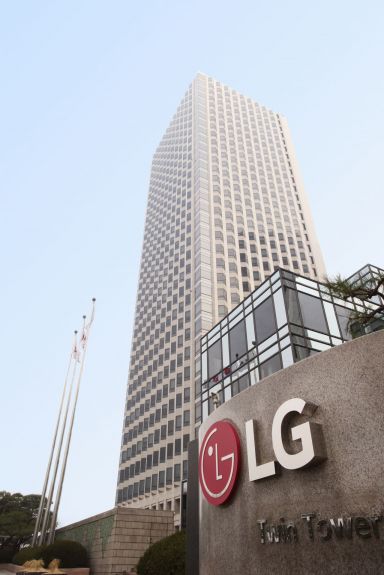
LG Electronics announced on the 8th that its consolidated operating profit for last year was tentatively estimated at 3.4304 trillion KRW, a 6.1% decrease compared to the same period the previous year. Sales reached 87.7442 trillion KRW, up 6.7% during the same period, breaking the previous record. The previous record was 82.5215 trillion KRW in 2022.
LG Electronics stated that its compound annual growth rate (CAGR) of consolidated sales over the past four years exceeded 10%. In particular, it emphasized that last year it overcame the limitations of the existing home appliance sales business, which had been criticized for low profitability, by changing its business methods to include home appliance subscriptions and D2C. The growth trend in the B2B business also continued, contributing to increased sales.
Regarding the annual performance, LG Electronics explained, "Sales set a new record high, and profitability (operating profit) remained at a stable level."
First, the home appliance business, which is the core business and cash cow, is likely to surpass 30 trillion KRW in sales for the second consecutive year. The expansion of AI-enabled appliances and volume zone lineups, along with diversifying business methods to subscriptions and D2C in response to changing customer demands, were seen as effective. Growth in the B2B sector, including heating, ventilation, and air conditioning (HVAC), built-in appliances, and component solutions, was also steady. This year, the subscription business plans to expand from Korea, Malaysia, and Taiwan to Thailand and India. The HVAC business aims to become a world top-tier air conditioning company through an independent business unit system.
The TV business is experiencing slow global demand recovery, but premium market demand in Europe is gradually recovering. The webOS advertising and content business is expanding its ecosystem to TVs, smart monitors, and automotive infotainment. Starting this year, LG Electronics will strengthen its QNED "dual track" strategy for OLED and premium LCD lineups and target volume zones tailored to demand in overseas regions.
The automotive components business was affected by the electric vehicle chasm (temporary demand slump) but is expected to have exceeded 10 trillion KRW in annual sales for the second consecutive year. In its core product, automotive infotainment (telematics, AVN, displays, etc.), it has solidified its market position and continues stable growth. This year, as part of future preparation, the company plans to focus on transitioning to software-defined vehicles (SDV) and concentrate on strengthening profitability through focused operations.
LG Electronics reported that its consolidated operating profit in the fourth quarter of last year was 146.1 billion KRW, down 53.3% from the same period the previous year. Sales increased by 0.2% to 22.7775 trillion KRW. The operating profit fell significantly short of the securities market forecast of 397 billion KRW posted by financial information provider FnGuide. Sales were close to the forecast of 22.5055 trillion KRW.
Although detailed performance by business division was not disclosed, excluding consolidated subsidiary LG Innotek, there is a possibility of losses. The home appliance business likely achieved breakeven profits due to off-season effects and burdens from logistics and marketing costs. The TV business may have turned to a loss due to increased year-end marketing expenses and demand slowdown. The automotive components business is also expected to have performed below expectations due to weak electric vehicle demand.
LG Electronics explained that the decrease in operating profit in the fourth quarter was due to increased logistics costs and other factors. The company stated, "In the second half of last year, unexpected global maritime freight rate surges and one-time costs related to inventory normalization considering business environment uncertainties occurred, which somewhat affected profitability."
LG Electronics self-assessed that last year it not only set a sales record but also achieved some success in improving its business structure. The company said, "Looking at the annual company-wide management performance, qualitative growth continues following the restructuring of the business portfolio, which is positive. This year, we will accelerate qualitative growth, strengthen fundamental competitiveness in quality and cost, and focus all efforts on securing a sound profit structure by optimizing fixed costs."
© The Asia Business Daily(www.asiae.co.kr). All rights reserved.
![Clutching a Stolen Dior Bag, Saying "I Hate Being Poor but Real"... The Grotesque Con of a "Human Knockoff" [Slate]](https://cwcontent.asiae.co.kr/asiaresize/183/2026021902243444107_1771435474.jpg)















