Changing the Indictment for Minor Offenses
Incorrect to Calculate Statute of Limitations Based on Original Charges
The Supreme Court has ruled that when a prosecutor's request to change the indictment is accepted during a criminal trial and the crime name is altered, the statute of limitations should be determined based on the changed crime name.
Even if it is clear that the prosecution was initiated after the statute of limitations had expired when the prosecution changes the indictment to a crime with a lighter statutory penalty after indictment, it is illegal for the court to consider the statute of limitations based on the statutory penalty of the originally indicted crime and convict the defendant.
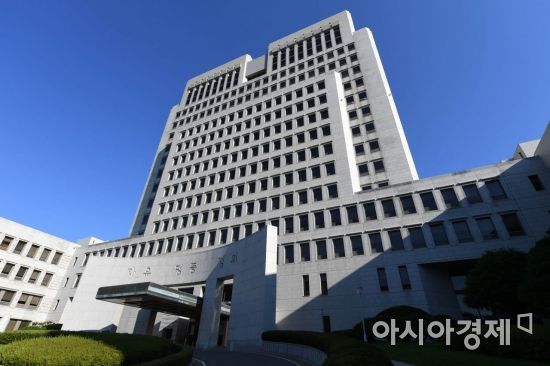
According to the legal community on the 21st, the Supreme Court's First Division (Presiding Justice Shin Sook-hee) overturned the original sentence of 6 years imprisonment in the appeal trial of Mr. A, who was indicted on charges of violating the Act on the Aggravated Punishment of Specific Economic Crimes (fraud), violating the Pharmaceutical Affairs Act, forgery of private documents, and use of forged private documents, and remanded the case to the Daejeon High Court.
The court first cited Supreme Court precedents, stating, "When the facts of the indictment are changed through the indictment amendment procedure and there is a difference in the statutory penalty, the statutory penalty for the changed facts of the indictment should be the basis for the statute of limitations period. Therefore, if the statute of limitations is considered based on the statutory penalty of the facts of the indictment at the time of prosecution, the statute of limitations may not have been completed at the time of prosecution, but if considered based on the statutory penalty of the changed facts of the indictment, and the statute of limitations had already been completed at the time of prosecution, a dismissal judgment should be rendered on the grounds of the statute of limitations having been completed."
Furthermore, the court pointed out, "Among the facts of the indictment in this case, the crimes of forgery of private documents and use of forged private documents, which were changed in the second trial and recognized as guilty by the lower court, have a statutory penalty of 'imprisonment for up to 3 years,' so according to Article 249, Paragraph 1, Item 5 of the Criminal Procedure Act, the statute of limitations period is 5 years." It added, "These facts of the indictment involve the defendant forging and using another person's signature on September 18, 2016, and the indictment was filed on June 30, 2023, which is more than 5 years later, so unless there are special circumstances such as suspension of the statute of limitations, it is clear from the records that the statute of limitations had already been completed at the time of prosecution."
The court continued, "Nevertheless, the lower court recognized these facts of the indictment as guilty without determining whether the statute of limitations had been completed," and stated, "This judgment of the lower court contains an error in the legal principle regarding the statute of limitations and failed to conduct necessary investigations, which affected the judgment," explaining the reason for reversal and remand.
Mr. A, who was not a pharmacist, operated pharmacies by borrowing licenses from pharmacists in Gyeongnam and Chungnam provinces from 2016 to 2021, dispensing medicines and receiving medical benefits payments from the National Health Insurance Corporation, and was indicted last June on charges of fraud under the Act on the Aggravated Punishment of Specific Economic Crimes, violation of the Pharmaceutical Affairs Act, and forgery of private documents.
The first trial court found Mr. A guilty of fraud and violation of the Pharmaceutical Affairs Act and sentenced him to 2 years and 6 months imprisonment.
However, the first trial court acquitted Mr. A of the charges of forgery of private documents and use of forged private documents related to forging a pharmacy lease contract in September 2016 and delivering it to the lessor.
In response, the prosecution requested a change of indictment in the second trial, changing the facts of the indictment that were acquitted in the first trial from the contract to forging a signature. The intention was to narrow the scope of the trial and obtain a guilty verdict.
The court accepted the request to change the indictment, and the crime name of the relevant facts of the indictment changed from forgery of private documents and use of forged private documents to forgery of signatures and use of forged signatures.
The appellate court, which permitted the prosecutor's change of indictment, found Mr. A guilty even of the forgery of signatures and use of forged signatures, which the first trial court had acquitted, and increased the sentence to 6 years imprisonment.
Mr. A appealed the second trial verdict, disputing whether the statute of limitations for forgery of signatures had expired.
Mr. A's side argued that the statute of limitations for forgery of signatures and use of forged signatures, which changed due to the indictment amendment in the appellate trial, is 5 years, and that the statute of limitations had already expired in June last year, the original prosecution date, so the lower court's failure to dismiss the case and its guilty verdict were incorrect.
The statute of limitations for forgery of private documents is 7 years, so there was no problem with the prosecution applying this crime name to the act in September 2016 and indicting in June last year, but the statute of limitations for the lighter crime of forgery of signatures was completed in September 2021, so it should not have been judged guilty.
The Supreme Court accepted Mr. A's grounds for appeal.
Regarding the scope of the reversal, the court stated, "The part of the lower court's judgment concerning forgery of signatures and use of forged signatures must be overturned. However, since the lower court sentenced a single punishment on the grounds that these facts of the indictment and the other facts recognized as guilty are in a concurrent crime relationship under the first clause of Article 37 of the Criminal Act, the entire lower court judgment must be overturned."
The concurrent crimes under the first clause of Article 37 of the Criminal Act refer to "simultaneous concurrent crimes," meaning multiple crimes for which the judgment has not been finalized, i.e., cases where multiple crimes are judged simultaneously. This contrasts with the "subsequent concurrent crimes" under the latter clause of Article 37, which refer to crimes committed before the judgment of a crime punishable by imprisonment or higher has been finalized.
Since the forgery of signatures and use of forged signatures, which should have been dismissed, were recognized as guilty and considered together with other charges such as fraud under the Act on the Aggravated Punishment of Specific Economic Crimes and violation of the Pharmaceutical Affairs Act to determine the sentence, the entire judgment must be overturned and the sentence must be determined again through a new judgment.
This ruling follows the Supreme Court's existing position that even if the statute of limitations had not been completed based on the statutory penalty of the facts of the indictment at the time of prosecution, if the statute of limitations had already been completed at the time of prosecution based on the changed facts of the indictment, a dismissal judgment must be rendered.
© The Asia Business Daily(www.asiae.co.kr). All rights reserved.
![Clutching a Stolen Dior Bag, Saying "I Hate Being Poor but Real"... The Grotesque Con of a "Human Knockoff" [Slate]](https://cwcontent.asiae.co.kr/asiaresize/183/2026021902243444107_1771435474.jpg)















