Significant Tariff Hikes on Major Imports like Solar Cells and Steel
Semiconductors and Laptops to Be Affected from Next Year
"Catching Manufacturing Workers' Votes Ahead of the Presidential Election"
The U.S. government is scheduled to gradually implement tariff increases on Chinese imports such as electric vehicles starting at the end of this month, according to major foreign media reports on the 13th (local time). This measure is aimed at countering China's overproduction and unfair trade practices and is seen as a reaffirmation of the Biden administration's tough stance on China.
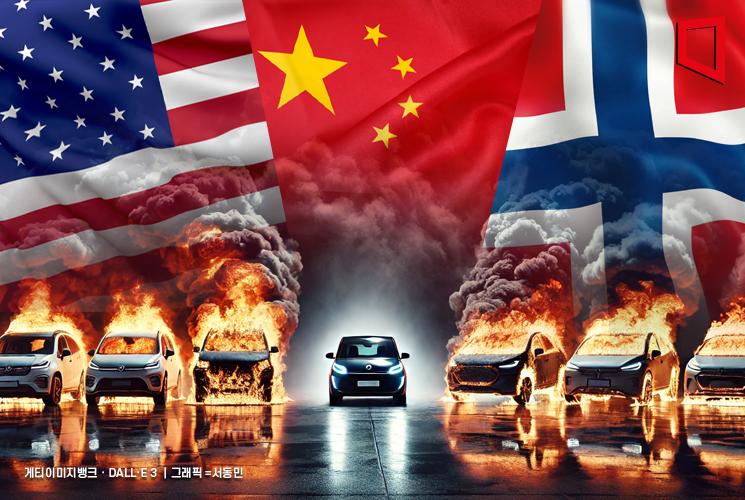
The U.S. Trade Representative (USTR) announced to foreign media on the same day that the increased tariff rates on Chinese electric vehicles, solar cells, steel, aluminum, electric vehicle batteries, and key minerals will be applied from the 27th. With this measure, tariffs on Chinese electric vehicles will sharply rise from the existing 25% to 100%, solar cells will face a 50% tariff, and steel, aluminum, and electric vehicle batteries will each have tariffs increased by 25%. Lithium-ion batteries, minerals, and parts will also be subject to a 25% increased tariff rate.
However, the timing for applying the increased tariff rates on some items has been set for after next year. Polysilicon and silicon wafers related to semiconductors will face a 50% tariff starting next year, and other equipment such as laptops and mobile phones will have increased tariffs applied from January 2026.
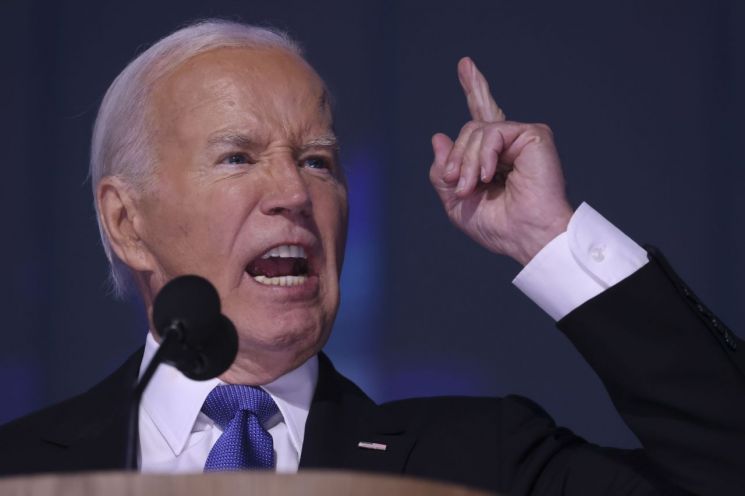
In May, the Biden administration announced plans to raise tariffs on $18 billion (approximately 24.6 trillion KRW) worth of Chinese imports including steel, aluminum, semiconductors, electric vehicles, and solar panels in response to China’s unfair trade practices. The USTR initially planned to implement the tariff increases from the 1st of last month, but the schedule was repeatedly delayed. However, in the recent announcement, it was decided to raise the tariff rates on some items higher than originally planned.
In particular, tariffs on medical masks and surgical gloves will increase from 25% to 50%, and tariffs on Chinese syringes, which were originally 50%, will be raised to 100%. However, an exemption will be granted for syringes used for infant food intake for one year.
These measures are interpreted as a strategic move by the Biden administration to win the votes of American manufacturing workers ahead of the presidential election. Foreign media analyzed that fierce courting by both candidates is ongoing to capture voter support in key states where the automotive and steel industries are concentrated.
© The Asia Business Daily(www.asiae.co.kr). All rights reserved.
![Clutching a Stolen Dior Bag, Saying "I Hate Being Poor but Real"... The Grotesque Con of a "Human Knockoff" [Slate]](https://cwcontent.asiae.co.kr/asiaresize/183/2026021902243444107_1771435474.jpg)
















