The act of an insurance planner receiving golf hole-in-one expenses from an insurance company using false receipts was ruled by the court to constitute insurance fraud, justifying the cancellation of the planner's registration.
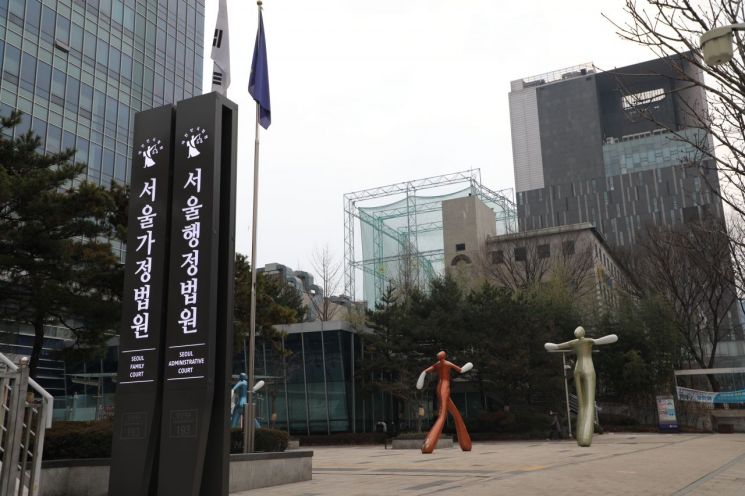
According to the legal community on the 2nd, the Seoul Administrative Court Administrative Division 13 (Chief Judge Park Jeong-dae) ruled against Mr. A, a former insurance planner, in a lawsuit he filed against the Financial Services Commission seeking to cancel the cancellation of his planner registration.
Mr. A had subscribed to insurance that reimbursed "hole-in-one expenses" up to a total limit of 5 million KRW, covering costs such as commemorative gift purchases, celebratory dinners, and congratulatory rounds incurred within one month after making a hole-in-one during a golf game.
Later, Mr. A actually made a hole-in-one at a golf course in November 2014. The next day, he made a 5 million KRW payment by credit card at a golf equipment store, immediately canceled the payment, and then submitted the canceled payment receipt to the insurance company to receive 5 million KRW in insurance money.
The Financial Services Commission, considering Mr. A's act as insurance fraud, canceled his insurance planner registration. In response, Mr. A filed an administrative lawsuit, claiming, "I planned to spend more than 5 million KRW on hole-in-one expenses, but since it was cumbersome to submit receipts for each individual payment, I first made a 5 million KRW payment and then canceled it, submitting the canceled receipt." It was revealed that Mr. A actually spent about 8 million KRW on hole-in-one expenses within one month from the date of the hole-in-one.
However, the court sided with the Financial Services Commission. The court stated, "Even if it is true that Mr. A spent hole-in-one related expenses immediately after canceling the credit card payment, claiming insurance money based on a canceled false receipt is an act of deceiving the insurance company," and "Such an act itself cannot be accepted as a legitimate means of exercising rights under social norms."
Furthermore, the court pointed out, "As an insurance planner, Mr. A must have been well aware that submitting canceled false receipts to receive insurance payments from the insurance company constitutes fraud," and "There is suspicion that he deliberately committed insurance fraud by exploiting the vulnerabilities of the indemnity insurance system he learned about while working in the insurance industry."
© The Asia Business Daily(www.asiae.co.kr). All rights reserved.
![Clutching a Stolen Dior Bag, Saying "I Hate Being Poor but Real"... The Grotesque Con of a "Human Knockoff" [Slate]](https://cwcontent.asiae.co.kr/asiaresize/183/2026021902243444107_1771435474.jpg)















