Kia Presents First Management Proposal at Main Negotiation for Labor-Management Agreement
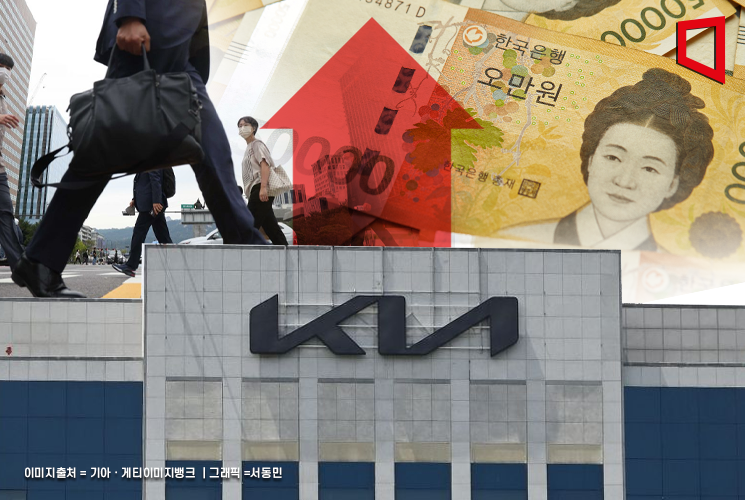
Kia has presented a wage proposal to the labor union in this year's wage and collective bargaining negotiations, centered on a basic salary increase of 112,000 KRW. At the same time, Kia also proposed a system that varies allowance increases by job category.
On the 23rd, Kia presented its first proposal at the 7th wage and collective bargaining main negotiation held at the Sohwa Plant headquarters, which included a basic salary increase of 112,000 KRW (including step increases), a performance bonus of 400% + 12.8 million KRW (with an additional 200,000 KRW in traditional gift certificates), and a special performance bonus of 100% + 5 million KRW.
Compared to the union's earlier demands for a basic salary increase of 159,800 KRW (excluding step increases), a performance bonus of 30% of last year's net profit, a special performance bonus (2.4% of operating profit), paid lunch breaks, and the introduction of a 4.5-day workweek, the proposal falls short of the union's expectations.
Additionally, Kia management presented a separate proposal that differentiates allowance or basic salary increases by job category. Allowances for engineer groups, technical groups, and auto consultants (sales positions) will be increased over five years with different conditions for each group, while general staff will have their basic salary increases divided into four levels based on performance.
This separate proposal from Kia aims to align with the global standard of introducing a job- and performance-based wage system. Global companies are promoting differentiated compensation based on job skills to boost productivity. Recently, even Japanese companies?long known for seniority-based and collective bureaucracy?and manufacturing industries including the automotive sector are expanding job-based differential wage systems.
Previously, Hyundai Motor also attempted to reform its wage system by abolishing the step system for research and general staff at the assistant manager level, but the plan was scrapped due to union opposition. However, Hyundai Motor did raise the conveyor allowance paid to production workers for the first time in 11 years. The Kia union is also opposing the proposed job-based differential allowance increase. A union official criticized it as "another form of discrimination against general staff and a 'wage system deterioration' that causes conflict among colleagues."
Nevertheless, Hyundai Motor and Kia are reportedly continuing to consider the job- and performance-based differential wage system internally. As the automotive industry transitions to software-defined vehicles (SDV), requiring talent influx from various fields such as IT, it is judged that the existing step system makes it difficult to secure excellent personnel. A Kia management official said, "We are considering long-term improvements to problematic allowances and systems, and since we cannot postpone it indefinitely, we decided to include it in the proposal. While this year's negotiations are important, this is a consideration for Kia's future."
© The Asia Business Daily(www.asiae.co.kr). All rights reserved.
![Clutching a Stolen Dior Bag, Saying "I Hate Being Poor but Real"... The Grotesque Con of a "Human Knockoff" [Slate]](https://cwcontent.asiae.co.kr/asiaresize/183/2026021902243444107_1771435474.jpg)















