Japanese Encephalitis Virus Gene Not Detected
Authorities Urge Enhanced Monitoring and Caution Against Mosquito Bites
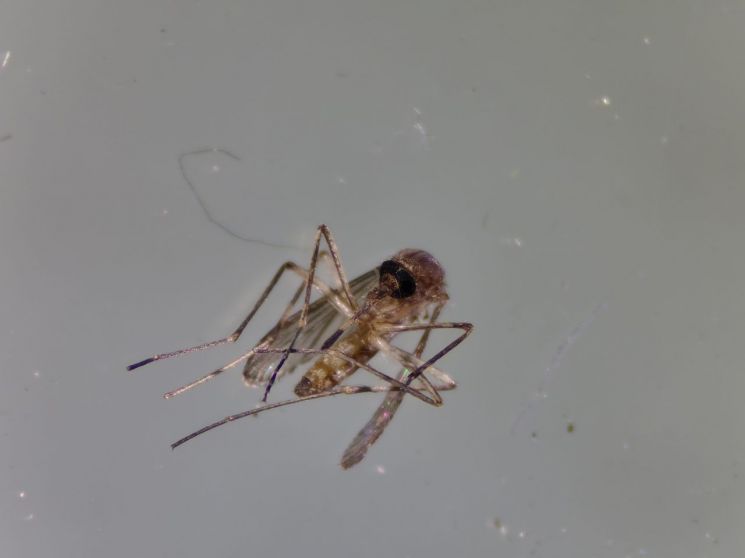
For the first time this year in Daejeon, Culex tritaeniorhynchus mosquitoes, which are known to transmit Japanese encephalitis, have been detected.
According to the Daejeon Institute of Health and Environment on the 5th, mosquito traps were installed at seven locations including Hanbat Arboretum and Seongdusan Neighborhood Park. As a result of weekly mosquito collections, Culex tritaeniorhynchus mosquitoes were identified among those collected on the 1st.
Genetic analysis of the collected mosquitoes found no Japanese encephalitis virus genes.
Shin Yonghyun, Director of the Institute, stated, "Since Japanese encephalitis vector mosquitoes have been identified in Daejeon, we will strengthen our monitoring," and added, "To prevent Japanese encephalitis, it is important not to get bitten by mosquitoes, so people should minimize skin exposure during outdoor activities and follow preventive measures such as using mosquito repellents."
Meanwhile, as Culex tritaeniorhynchus mosquitoes accounted for more than 50% of the total mosquitoes collected in Gyeongnam and Jeonnam regions, a Japanese encephalitis alert was issued as of July 25.
© The Asia Business Daily(www.asiae.co.kr). All rights reserved.
![Clutching a Stolen Dior Bag, Saying "I Hate Being Poor but Real"... The Grotesque Con of a "Human Knockoff" [Slate]](https://cwcontent.asiae.co.kr/asiaresize/183/2026021902243444107_1771435474.jpg)















