Incheon City has urged special caution against Severe Fever with Thrombocytopenia Syndrome (SFTS), a tick-borne infectious disease, as the vacation season with increased outdoor activities approaches.
SFTS is mainly transmitted through bites from Haemaphysalis longicornis ticks infected with the SFTS virus. The incidence increases from spring, when opportunities for tick exposure rise due to outdoor activities such as farming, harvesting forest products, and hiking.
Since the first domestic case was reported in 2013, a total of 1,895 patients have been diagnosed with SFTS up to last year, with 355 deaths, showing a fatality rate of 18.7%. This year alone, as of the 10th of last month, 4 patients have been reported, with 1 death.
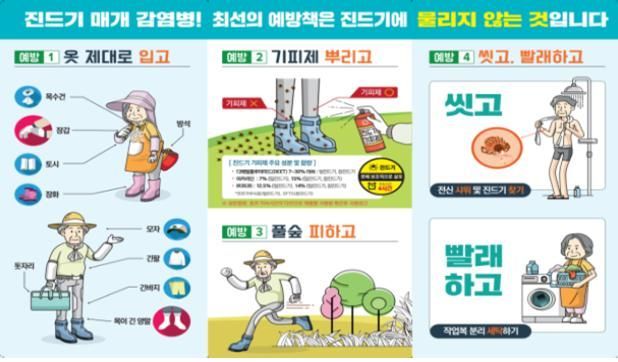
SFTS has a high fatality rate, and since there are no preventive vaccines or treatments, avoiding tick bites is the best prevention method.
During outdoor activities such as farming, wear protective clothing like long sleeves and long pants, and if you experience high fever (38℃ or above) or gastrointestinal symptoms (nausea, vomiting, diarrhea, loss of appetite, etc.) within two weeks after outdoor exposure, immediately visit a medical institution for diagnosis and treatment.
An official from Incheon City stated, "With increased outdoor activities during the vacation season, the risk of exposure to tick-borne infectious diseases is higher. Especially since SFTS has no treatment or preventive vaccine and has a high fatality rate, we strongly urge everyone to strictly follow prevention guidelines to avoid tick bites during outdoor activities."
© The Asia Business Daily(www.asiae.co.kr). All rights reserved.
![Clutching a Stolen Dior Bag, Saying "I Hate Being Poor but Real"... The Grotesque Con of a "Human Knockoff" [Slate]](https://cwcontent.asiae.co.kr/asiaresize/183/2026021902243444107_1771435474.jpg)















