Kazakhstan-Origin 'Dicci Energy Drink'
Domestic Ban Additives Detected
Sales Suspension and Recall Measures
The Ministry of Food and Drug Safety (MFDS) has suspended sales and initiated a recall of the 300ml 'Dicci Energy Drink' imported from Kazakhstan and sold by the importer 'Dobreui'.
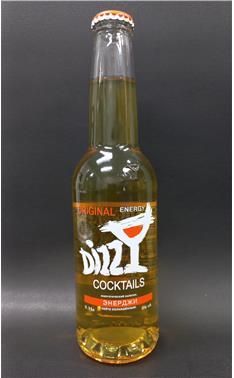 Dizzi Energy Drink 300㎖ [Photo by Ministry of Food and Drug Safety]
The affected product is marked with a manufacturing date of November 16, 2023. This is because the beverage was found to contain the coloring agent 'Quinoline Yellow', which is not approved as a food additive in South Korea.
Quinoline Yellow is permitted as a coloring agent in certain foods in countries such as Kazakhstan, Russia, and the European Union (EU), but it is not designated as a food additive in South Korea, Japan, Canada, and others. Quinoline Yellow (Acid Yellow 3, E104) is a yellow-green dye used in countries that allow it in smoked fish, colored pills, cough syrups, and chewing gum. It can cause dermatitis, chronic rhinitis, and urticaria, and asthma patients should be especially cautious as it may trigger bronchial spasms.
The MFDS has urged consumers who purchased the product to stop consumption and return it to the place of purchase. Inspections are being expanded to include other products with different manufacturing dates.
The list of suspended and recalled products can be found on the Food Safety Korea website. In addition to this beverage, recent recalls have included Kumami Misugaru, Natural Flavor Black Bean Misugaru, Camellia Loin Ham, and The Creamery Kaymak.
MFDS: "Energy Drinks Provide Temporary Alertness... They Do Not Provide Energy"
Previously, the Ministry of Food and Drug Safety informed that high-caffeine beverages, commonly called energy drinks, only create a temporary feeling of alertness and vitality but do not actually provide energy to the body. High-caffeine drinks temporarily reduce sleepiness and improve concentration, but over time, they can lead to decreased focus and increased fatigue, reducing motivation for study or work.
Since May of this year, a pilot program has been operating nationwide to display caffeine intake warnings on convenience store shelves for high-caffeine beverages and to inform consumers about side effects of excessive consumption. The pilot program was initially conducted from 2021 around convenience stores near middle and high schools in the Seoul and Gyeonggi regions and resumed in May this year. The recommended maximum daily caffeine intake for a 60kg adolescent is 150mg, and high-caffeine drinks available on the market contain 60-100mg of caffeine per can (250-355ml).
© The Asia Business Daily(www.asiae.co.kr). All rights reserved.
![Clutching a Stolen Dior Bag, Saying "I Hate Being Poor but Real"... The Grotesque Con of a "Human Knockoff" [Slate]](https://cwcontent.asiae.co.kr/asiaresize/183/2026021902243444107_1771435474.jpg)














