Unprecedented Scale of Oil Giants Merger
Why WTI Is Cheaper Than Brent and Dubai Oil
Analysis Suggests It Helped Ease US Inflation
OPEC+ Extends Oil Production Cuts
Oil Prices Expected to Become a Factor in Upcoming US Election
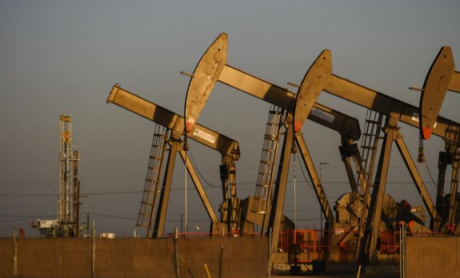
Recently, a historic wave of mergers and acquisitions (M&A) has swept through the US fossil fuel industry, with the total M&A volume over the past year reaching approximately 280 trillion won. This is partly attributed to the fact that West Texas Intermediate (WTI) crude oil is priced lower compared to other producing countries' crude oils such as Brent and Dubai crude. Analysts also suggest that this has helped ease inflation in the United States.
With the announcement of the extension of crude oil production cuts by the new OPEC+ coalition, the future direction of oil prices is expected to become a significant issue in the upcoming US presidential election.
According to energy consulting firm Rystad Energy on the 3rd, from July last year to recently, US fossil fuel companies including ExxonMobil, Chevron, Diamondback Energy, Occidental Petroleum, and Chesapeake have announced M&A deals totaling $194 billion (approximately 280 trillion won). This amount is about three times higher than the same period a year ago. ConocoPhillips, the third-largest US energy company, also announced last month that it would acquire Marathon Oil for $22.5 billion.
The structure of the US fossil fuel industry appears to be shifting into a competitive battle among major corporations. Until now, the industry had been divided among several companies drilling primarily in the Permian Basin of Texas, a major shale oil production area. However, when ExxonMobil triggered the initial wave of mergers and acquisitions at the end of last year by announcing the purchase of Pioneer for $60 billion, large US fossil fuel companies began aggressively acquiring smaller firms. According to industry analysis, now two-thirds of US shale oil production sites are controlled by just six companies.
While concerns about monopolization in the fossil fuel industry have been raised, US competition authorities have so far refrained from intervening. Last month, the Federal Trade Commission (FTC) approved ExxonMobil's acquisition with relatively low regulatory scrutiny, equating it to the exclusion of former Pioneer CEO Scott Sheffield from ExxonMobil’s board.
Mergers within the industry could lower crude oil production costs, potentially leading to downward pressure on oil prices. As of the 31st of last month, WTI was priced at about $77 per barrel, cheaper than Brent and Dubai crude oils, which were around $81 per barrel.
Meanwhile, with OPEC+ announcing on the 2nd that production cuts will be extended until the end of next year, The Wall Street Journal (WSJ) forecasted that this move could exert upward pressure on oil prices, which may influence the US presidential election.
There is also analysis that the Biden administration, which has taken an anti-fossil fuel stance, is witnessing record oil drilling and the expansion of “oil giants” because inflation and consumer economic outlook have become critical factors in the election. WSJ emphasized that “it is important to defend against dramatic rises in oil prices.”
© The Asia Business Daily(www.asiae.co.kr). All rights reserved.
![Clutching a Stolen Dior Bag, Saying "I Hate Being Poor but Real"... The Grotesque Con of a "Human Knockoff" [Slate]](https://cwcontent.asiae.co.kr/asiaresize/183/2026021902243444107_1771435474.jpg)















