Invasive Species 'Bukmi Neoguri' (Raccoon)
Popular as Pets in the 1970s
Disrupting Ecosystems as 'Yasaenghwa'
Tokyo Metropolis in Japan is reportedly suffering due to a surge in the raccoon population. The species identified as the problem is the invasive North American raccoon, whose population has increased about fivefold over the past decade, causing damage to the ecosystem.
Recently, Japan's Kyodo News reported that the raccoon population in Tokyo has surged. According to data compiled by city authorities, the number of wild raccoons captured in 2012 was only 259, but it rose to 1,282 in 2022.
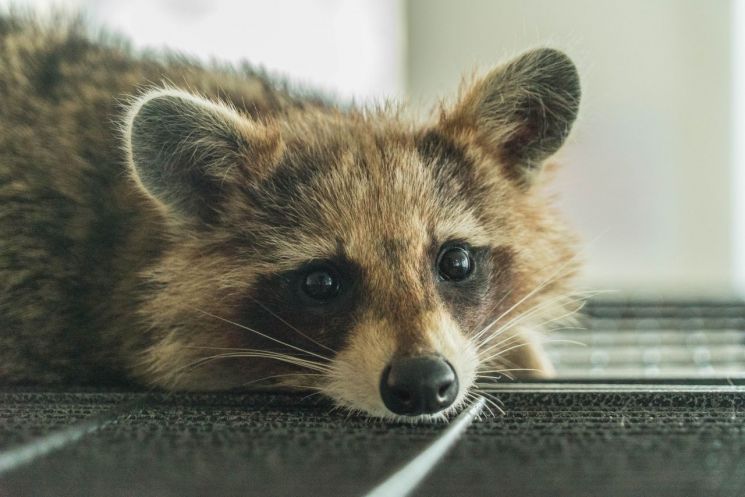
The North American raccoon, commonly known as 'Raccoon,' is an invasive species that became popular as a pet in Japan during the 1970s. It is a different species from the native Japanese raccoon dog (Tanuki). The raccoon boom in Japan is said to have been sparked by the popular TV series "Rascal the Raccoon" that aired at the time.
However, over time, raccoons that escaped or were abandoned from households became wild animals, and as they bred with each other and increased their numbers, they have now disrupted the ecosystem.
Raccoons have even been identified as the main culprits damaging crops in the suburban areas of Tokyo. In 2022, the estimated damage to crops caused by raccoons alone was about 450 million yen (approximately 3.9 billion KRW).

Raccoons are reported to flock to rural areas, trampling fruits and vegetables and even attacking livestock. A representative from Japan's Ministry of Agriculture told the Mainichi Shimbun, "Raccoons are desperate to survive, so our measures are often ineffective," and added, "Traps set to capture raccoons are sometimes broken," expressing the difficulty in controlling their population.
Moreover, they prey on native Japanese species, driving them to extinction. In particular, the 'Tokyo Salamander,' first discovered in Tokyo, has seen its numbers noticeably decline due to predation by raccoons and is now said to be at risk of extinction.
© The Asia Business Daily(www.asiae.co.kr). All rights reserved.
![Clutching a Stolen Dior Bag, Saying "I Hate Being Poor but Real"... The Grotesque Con of a "Human Knockoff" [Slate]](https://cwcontent.asiae.co.kr/asiaresize/183/2026021902243444107_1771435474.jpg)
















