On the 14th, National Assembly Pension Special Committee Citizen Delegation Discussion Meeting
The second deliberative forum for National Pension reform was held at the National Assembly on the 14th. During the forum, opinions were exchanged on topics such as 'adjustment of the income replacement rate and pension insurance premium rate.'
Experts debated between 'Option 1,' which raises the National Pension insurance premium rate from the current 9% to 13% and increases the income replacement rate from 40% to 50%, and 'Option 2,' which raises the premium rate to 12% while maintaining the income replacement rate at 40%.
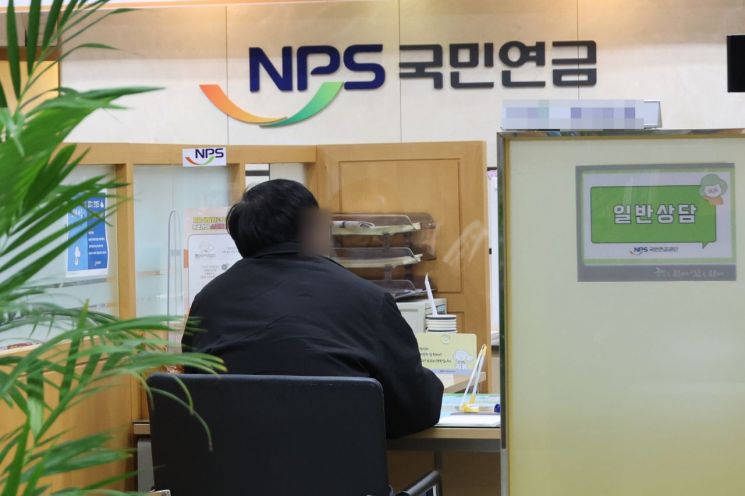
Option 1 proposes paying higher pension premiums and receiving higher benefits after retirement. It suggests raising the current 9% insurance premium rate (split equally between employees and employers for workplace subscribers) by 4 percentage points to 13%, while increasing the nominal income replacement rate from 42% (scheduled to decrease to 40% by 2028) to 50%.
Option 2 involves raising the premium rate by 3 percentage points to 12% while maintaining the income replacement rate, aligning more with fiscal sustainability. The increase in the premium rate is smaller than in Option 1, but the level of benefits remains the same as the current system.
Nam Chan-seop, a professor in the Department of Social Welfare at Dong-A University and an advocate for strengthening old-age income security, explained, "Currently, people in their 60s who have contributed for 19 years receive 690,000 won, but those in their 20s and 30s who will receive pensions in 2050-2060 will have contributed 5-6 years longer yet receive less pension, around 610,000 to 660,000 won." He added, "When people in their 30s become elderly, it will reduce the burden on future generations if they receive 1,000,000 won in pension benefits (through an increase in the income replacement rate) rather than 660,000 won."
Seok Jae-eun, a professor in the Department of Social Welfare at Hallym University and a proponent of fiscal stability, criticized, "The proposal to increase the income replacement rate to 50% worsens financial sustainability compared to maintaining it at 40%. South Korea, heading toward an ultra-aged society, must not pursue reform measures that undermine fiscal sustainability."
Professor Seok emphasized, "The National Pension should be managed by maintaining the reserve fund. Currently, the pension reserve fund amounts to 1,000 trillion won. If the insurance premium rate is increased, the size and returns of the fund will grow, which can reduce the extent of future premium increases."
The Public Deliberation Committee will hold a total of four forums, including sessions on the 20th and 21st. After all forums conclude, a survey will be conducted among participating citizens. The Pension Special Committee plans to discuss reform proposals based on the results of these deliberations.
© The Asia Business Daily(www.asiae.co.kr). All rights reserved.
![Clutching a Stolen Dior Bag, Saying "I Hate Being Poor but Real"... The Grotesque Con of a "Human Knockoff" [Slate]](https://cwcontent.asiae.co.kr/asiaresize/183/2026021902243444107_1771435474.jpg)















