The Bank of Japan (BOJ) has ended its negative interest rate policy after eight years and entered an era of 'positive interest rates.' As a result, major Japanese banks are expected to start earning deposit interest amounting to tens of billions of yen.
On the 19th, Bloomberg News, citing BOJ data, reported that Japanese banks, including Mitsubishi UFJ Financial Group and other major lenders, currently hold reserves of 106.7 trillion yen (approximately 952.3 trillion KRW) on which no interest is paid. Additionally, these banks hold deposits of 79.4 trillion yen (approximately 708.7 trillion KRW) at an interest rate of 0.1%.
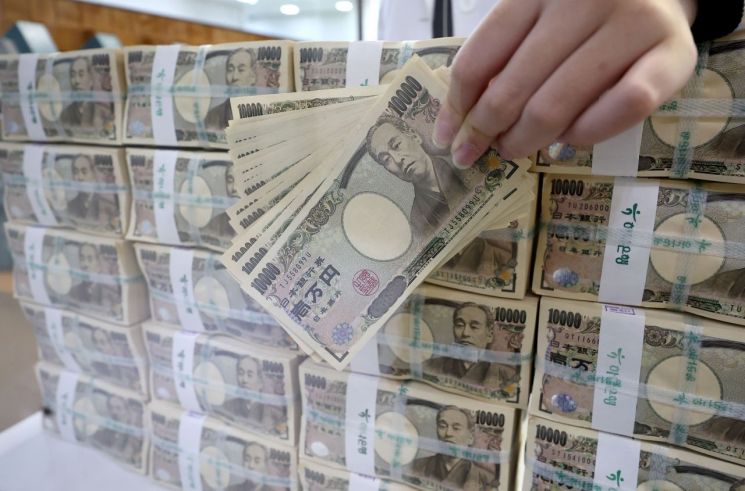
On the same day, BOJ announced the end of its negative interest rate policy and stated that it will pay 0.1% interest on deposit balances excluding required reserves. The new interest rate is scheduled to take effect from the 21st.
In 2016, BOJ lowered the short-term policy rate applied to reserves that commercial banks deposit with the BOJ to -0.1%.
However, banks are expected to invest cash in places where they can earn higher returns rather than simply receiving interest.
Hideyasu Ban, senior analyst at Bloomberg Intelligence, analyzed that as yields rise, banks are likely to convert current account balances into government bonds. Analyst Ban said, "Banks with a higher weighting of domestic interest-earning assets or cash held at the BOJ will have greater sensitivity to earnings from rising domestic interest rates."
© The Asia Business Daily(www.asiae.co.kr). All rights reserved.
![Clutching a Stolen Dior Bag, Saying "I Hate Being Poor but Real"... The Grotesque Con of a "Human Knockoff" [Slate]](https://cwcontent.asiae.co.kr/asiaresize/183/2026021902243444107_1771435474.jpg)















