'Health and Wellness' Craze Drives Soaring Sales of Related Food Products
Seoul Milk's 'High-Protein Low-Fat Milk' Sells 46 Million Units
#A 30-year-old office worker and dieter, Mr. Kim, eats protein cereal for breakfast, usually consumes a small amount of regular food or a chicken breast sandwich for lunch, and keeps dinner simple with Greek yogurt, while diligently taking protein drinks after exercise. Mr. Kim said, "In my 20s, I used to starve myself or eat only salads, but these days I focus on building a healthy body by consuming easily accessible protein foods at every meal."
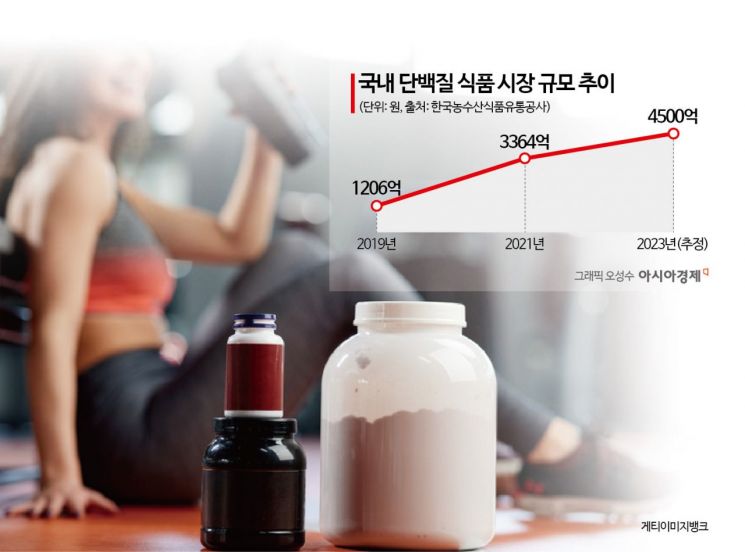
With the surge of the 'Health and Wellness' trend, attention to balanced diets has increased, and the popularity of protein food groups is rising day by day. As the consumer base expands from young people managing their weight to children and the elderly, protein foods have now established themselves as a legitimate food category. Food companies are introducing various products to take the lead in the domestic protein food market, which has grown to a scale of 400 billion KRW.
According to the distribution industry on the 15th, the cumulative sales of Seoul Milk Cooperative's Seoul Milk protein product line recently surpassed 100 billion KRW. In particular, the 'high-protein low-fat milk,' which has 1.8 times more protein and lower fat content compared to regular milk, exceeded 46 million units in annual cumulative sales within one year of its launch. This means an average daily sales volume of 128,000 units (based on 200ml).
Other products that have driven sales growth include 'Protein Milk' containing 55g of protein, two types of 'Protein Energy' (chocolate and coffee) focused on energy replenishment, 'Choyu Tantan Protein Plus' containing balanced animal and plant proteins and nine essential amino acids, and 'High-Protein Cheese,' which contains the highest protein among sliced cheeses.
Lee Gyu-jung, head of marketing at Seoul Milk Cooperative, said, "We have introduced protein products focusing on the increased consumer demand for health and physical fitness and the healthy pleasure trend," adding, "We plan to devote efforts to research and development for product diversification so that consumers can conveniently supplement protein, which is often insufficient through regular meals."
In the past, protein foods were strongly perceived as health supplements and were sold mainly to male consumers who wanted to prevent muscle loss or increase muscle mass after intense exercise. However, recently, as diets that reduce body fat while increasing muscle mass, rather than just weight loss, have gained popularity, the consumer base has expanded. In addition to dieting, the demand from elderly consumers who consume protein foods for health purposes has also increased.
According to the Korea Agro-Fisheries & Food Trade Corporation, the domestic protein food market size, which was 81.3 billion KRW in 2018, grew fourfold to 336.4 billion KRW in 2021 within three years. It is estimated to have grown to around 450 billion KRW last year. Representative popular products include protein drinks such as Ildong Foodis Hi-Mun and Maeil Dairies Selex. Hi-Mun surpassed 400 billion KRW in cumulative sales three years and seven months after its launch as of October last year. Selex's sales reached 310 billion KRW as of the end of 2022.
This year, various protein foods have been pouring out since the beginning of the year. Lotte Wellfood launched three new 'Easy Protein Protein Bars' that fill protein and dietary fiber while lowering calories and sugar content. The 'Multi Protein Bar (40g)' contains 12g of protein with a 1:1 balance of animal and plant proteins. The 'High Protein Bar (60g)' has a higher protein content of 20g and includes 850mg of taurine, making it suitable for consumers who need to recover from muscle damage and consume protein after high-intensity exercise. The 'Plant Protein Bar (27g)' features a mix of nuts, cranberries, and other ingredients, offering a savory and sweet-tart flavor. It contains 6g of plant protein.
Orion introduced two types of 'Oh! Granola Oat.' These are high dietary fiber and high protein products made by adding granola and whole almonds to oats, which are rich in nutrients such as eight times the calcium and four times the dietary fiber compared to white rice. Especially, the 'Real Chocolate' flavor contains 43g of protein per 360g of product, equivalent to seven eggs. Woongjin Foods launched 'Solve & Go I-Tun-Tun,' a high-calcium protein nutritional drink for children. It contains 18 types of amino acids and comes in two flavors: strawberry and chocolate. It is designed without coloring agents or preservatives and is low in sugar and fat.
© The Asia Business Daily(www.asiae.co.kr). All rights reserved.
![Clutching a Stolen Dior Bag, Saying "I Hate Being Poor but Real"... The Grotesque Con of a "Human Knockoff" [Slate]](https://cwcontent.asiae.co.kr/asiaresize/183/2026021902243444107_1771435474.jpg)















