Seven employees, including executives of a domestic semiconductor cleaning equipment company, were prosecuted for illegally leaking semiconductor cleaning equipment technology to China.
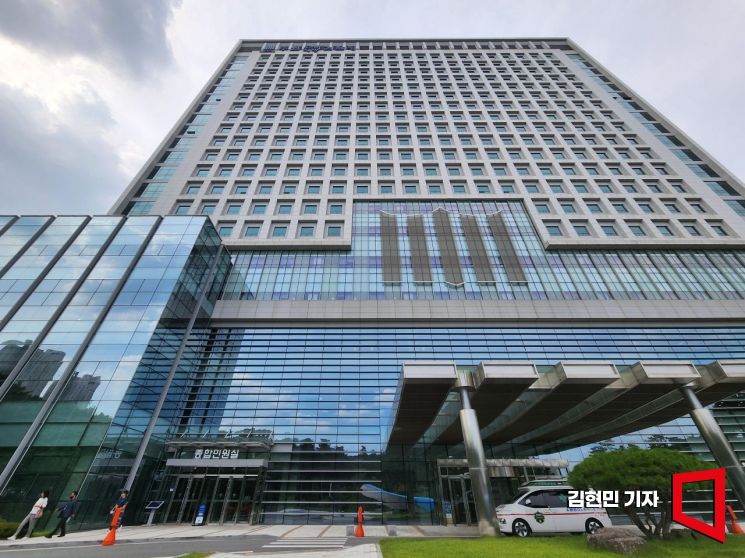
The Suwon District Prosecutors' Office Defense Industry and Industrial Technology Crime Investigation Division (Chief Prosecutor Andonggeon) announced on the 29th that four employees, including the actual operator A of the semiconductor equipment manufacturing company, were arrested and indicted on charges of violating the Unfair Competition Prevention Act and the Industrial Technology Protection Act. Three employees who worked at A's company and were in charge of semiconductor equipment design were also indicted without detention on the same charges.
A is accused of illegally exporting semiconductor cleaning equipment, whose exterior was modified from existing equipment designed by his younger brother B, to a Chinese competitor in May last year while operating the semiconductor equipment manufacturing company after B was arrested for technology leakage in May 2022, earning a total of 3.4 billion KRW.
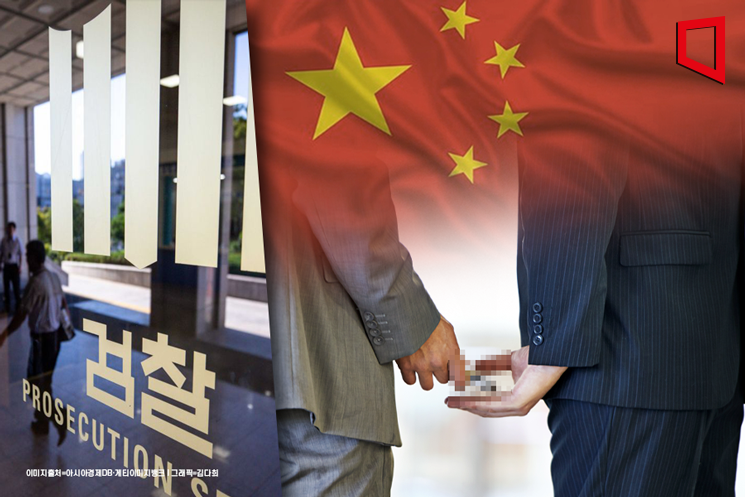
B, a former researcher at Semes, a Samsung Electronics subsidiary ranked third in the global market share, was prosecuted for establishing a semiconductor equipment manufacturing company in 2019 and for unfairly using Semes' trade secrets, including semiconductor wet cleaning equipment manufacturing technology, from March 2018 for over three years to create equipment blueprints and produce 14 units worth approximately 71 billion KRW, which were exported to Chinese companies and others.
B and former Semes employees involved in the crime obtained cleaning equipment technology information and design blueprints through unfair means by requesting Semes' partner companies at the time or by not returning related information when leaving Semes.
After the prosecution raided their office in August last year and seized cleaning equipment worth approximately 2.1 billion KRW that was being transported to Incheon Port for export, A and others exported parts to China in eight installments using a 'splitting' method, receiving 2.6 billion KRW by having the parts assembled and manufactured at local factories.
© The Asia Business Daily(www.asiae.co.kr). All rights reserved.
![Clutching a Stolen Dior Bag, Saying "I Hate Being Poor but Real"... The Grotesque Con of a "Human Knockoff" [Slate]](https://cwcontent.asiae.co.kr/asiaresize/183/2026021902243444107_1771435474.jpg)
















