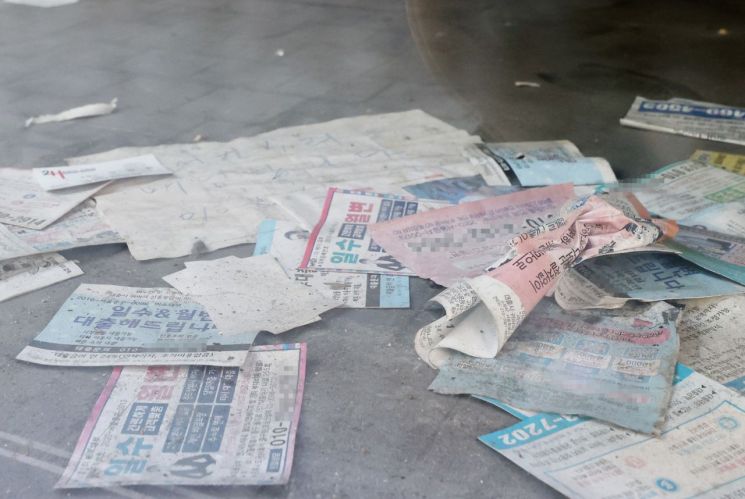
Due to the real estate market slump and interest rate hikes, the delinquency rate in the loan industry exceeded 10% in May.
According to data submitted by the Korea Financial Services Association to Oh Ki-hyung, a member of the National Assembly's Political Affairs Committee from the Democratic Party of Korea, the delinquency rate of 25 major loan companies was recorded at 11.5% as of May. This figure is the average delinquency rate of unsecured loans, mortgage loans, and other secured loans.
The delinquency rate in May surged by 4.8 percentage points compared to the same period last year (6.7%) and rose by 0.7 percentage points compared to the previous month (10.8%). It also increased by 2.8 percentage points compared to January this year (8.7%). By category, the delinquency rate for mortgage loans was 12.9%, four times higher than a year ago (3.6%). The mortgage loan delinquency rate has been steadily rising since January this year.
The loan industry’s increase in the proportion of secured loans to reduce the credit loan delinquency risk among low-credit borrowers also appears to have had an impact. According to the Financial Supervisory Service, the proportion of secured loans in the loan industry was 56.1% at the end of last year, steadily increasing from 52% at the end of 2021 and 53.8% at the end of June last year. The rise in interest rates increased borrowers’ repayment burdens, and the slump in the real estate market last year caused collateral values to decline, leading to a rise in delinquency rates. The delinquency rate for unsecured loans in May also recorded 10.9%, maintaining the 10% range since March.
According to NICE Information Service, the top 69 loan companies handled new loans amounting to 95.7 billion KRW in May this year, a decrease of 334.1 billion KRW compared to May last year (429.8 billion KRW). During the same period, the number of new users also dropped from 31,274 to 12,737.
© The Asia Business Daily(www.asiae.co.kr). All rights reserved.
![Clutching a Stolen Dior Bag, Saying "I Hate Being Poor but Real"... The Grotesque Con of a "Human Knockoff" [Slate]](https://cwcontent.asiae.co.kr/asiaresize/183/2026021902243444107_1771435474.jpg)















