Exclusion of Curium-243 from Measurement Targets
Controversy Over Proceeding Despite Concerns of Further Radionuclide Reduction
The Nuclear Regulation Authority of Japan (hereinafter referred to as the NRA) has once again reduced the number of radionuclides subject to contamination water measurement from 30 to 29, sparking growing controversy both inside and outside Japan. Although concerns are rising even within Japan, the NRA maintains that there is no problem. As the NRA further reduces the number of radionuclides to be measured ahead of the dispatch of a Korean inspection team related to the release of contaminated water from the Fukushima Daiichi Nuclear Power Plant, opposition from South Korea and neighboring countries is expected to increase.
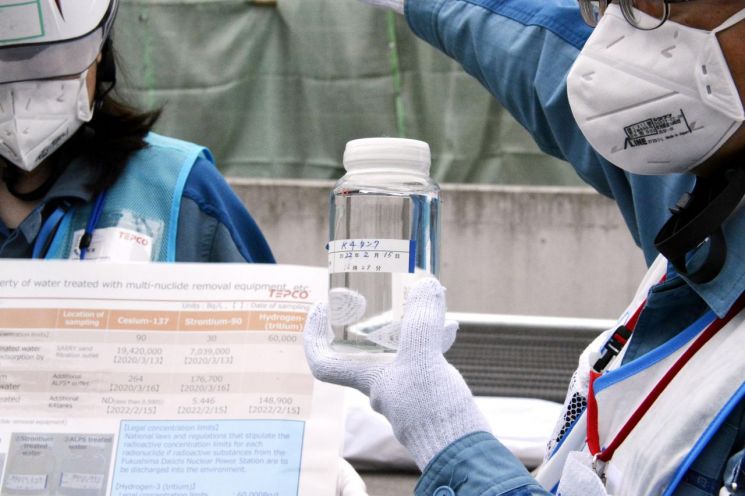
According to Jiji Press on the 11th, the NRA approved Tokyo Electric Power Company's (TEPCO) plan, which includes standards for radioactive substances, regarding the ocean discharge of contaminated water from the Fukushima Daiichi Nuclear Power Plant the previous day. This plan includes reducing the number of radionuclides to be measured from 30 to 29. The radionuclide excluded this time is "Curium-243." Following a drastic reduction from 64 to 30 radionuclides in February, the additional reduction within just three months has intensified controversy inside and outside Japan.
The Fukushima regional newspaper Fukushima Minyu Shimbun reported, "TEPCO initially planned to measure 30 radionuclides, but excluded Curium-243, which has minimal impact, following the NRA's indication," adding, "The NRA prepared an assessment result stating that the impact on humans and the environment is sufficiently low and conducted a public comment period for one month starting from the end of February."
Concerns related to the reduction of radionuclides were received during the public comment period. According to the NRA's approval of the Fukushima Daiichi Nuclear Power Plant implementation plan change, opinions were explicitly stated such as "The reason for the reduction in the number of radionuclides subject to evaluation must be specified," and "There remain concerns about the change from 64 to 29 radionuclides, so we oppose the ocean discharge of contaminated water."
However, the NRA responded, "Among the 64 radionuclides considered in the radiation impact assessment, there are short-lived radionuclides whose half-lives are so short that they are judged to have sufficiently decreased," and "It has been pointed out that the evaluation results are excessively conservative."
Furthermore, the NRA stated, "The selection of radionuclides for measurement and evaluation by TEPCO reviewed this time is reasonable as it identifies radionuclides that are likely to be meaningfully present in the contaminated water."
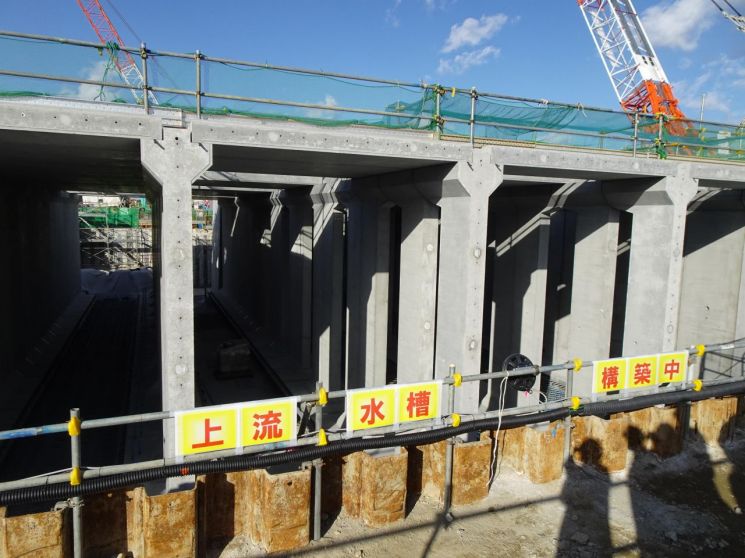
The NRA approved TEPCO's equipment plan necessary for the ocean discharge of contaminated water in July last year. Accordingly, TEPCO is expected to complete construction of the underwater tunnel and other facilities required for the discharge by the end of next month and begin the release around summer.
© The Asia Business Daily(www.asiae.co.kr). All rights reserved.
![Clutching a Stolen Dior Bag, Saying "I Hate Being Poor but Real"... The Grotesque Con of a "Human Knockoff" [Slate]](https://cwcontent.asiae.co.kr/asiaresize/183/2026021902243444107_1771435474.jpg)
















