Daegyo-yeon Announces Results of Review Meeting Minutes Investigation for 193 Schools This Year
About 45% of four-year universities nationwide have raised tuition fees for undergraduate, graduate, or foreign students outside the quota this year. This is interpreted as a result of the worsening financial situation of universities combined with high inflation, despite the Ministry of Education's request to maintain the tuition freeze policy.
On the 17th, the University Education Research Institute announced the results of a full survey on tuition fees of 193 national, public, and private general universities, industrial universities, and education universities, based on the minutes of the 2023 tuition review committee meetings.
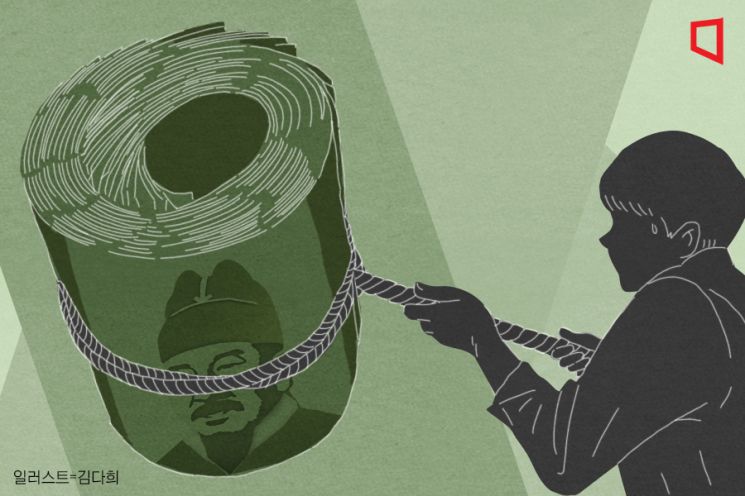
The survey found that a total of 86 universities, or 44.6% of the total, raised tuition fees in some form this year, whether for undergraduate, graduate, or foreign students outside the quota.
Among them, 17 universities raised undergraduate tuition fees, accounting for 8.8% of the total. Eight of these universities were national universities, all of which were education universities. The remaining nine were private universities such as Dong-A University, Kyungsung University, and Sehan University.
Graduate tuition fees were raised by 46 universities (23.8%), and tuition fees for foreign students outside the quota were raised by 7 universities (3.6%). Sixteen universities (8.3%) raised both graduate and foreign student tuition fees outside the quota.
On the other hand, only four universities lowered undergraduate tuition fees: Paichai University (0.04% decrease), Cheongju University (0.46% decrease), Korea Aerospace University (0.31% decrease), and Seoul Jangsin University (some departments lowered, rate undisclosed).
Universities that raise tuition fees are excluded from the Type II National Scholarship support funded by the government. However, since the average consumer price inflation rate from 2020 to 2022 was 2.7%, universities can raise tuition fees up to 4.05%, which is 1.5 times that rate, changing their stance. The profit gained from raising tuition fees exceeds the amount of government support from the Type II National Scholarship.
In fact, Dong-A University raised undergraduate tuition fees by 3.95% this year, reportedly gaining an additional income of about 5 billion KRW. This amount is much higher than the 2 billion KRW lost from exclusion from the Type II National Scholarship support due to the tuition increase.
If high inflation continues for the time being, it is highly likely that more universities will choose to raise tuition fees, foregoing the national scholarship.
However, the Ministry of Education has not been able to present additional measures to curb tuition fee increases. Previously, the Ministry expressed regret over some universities' decisions to raise tuition fees but stated that it would not consider other sanctions beyond the Type II National Scholarship support conditions, nor incentives for freezing or lowering tuition fees, or linking financial support projects.
© The Asia Business Daily(www.asiae.co.kr). All rights reserved.
![Clutching a Stolen Dior Bag, Saying "I Hate Being Poor but Real"... The Grotesque Con of a "Human Knockoff" [Slate]](https://cwcontent.asiae.co.kr/asiaresize/183/2026021902243444107_1771435474.jpg)















