Japanese Media Highlights Korean Omakase Craze
"Symbol of Luxury... Ending with SNS Boasting"
"Korean Youth Wear Rolex and Eat Cup Noodles"
A Japanese media outlet criticized the Korean 'Omakase' craze as a "symbol of luxury." 'Omakase' means "to entrust" in Japanese, and in Korea, it refers to a course meal served at the chef's discretion.
"There is a sense of pretentiousness behind the Omakase craze"
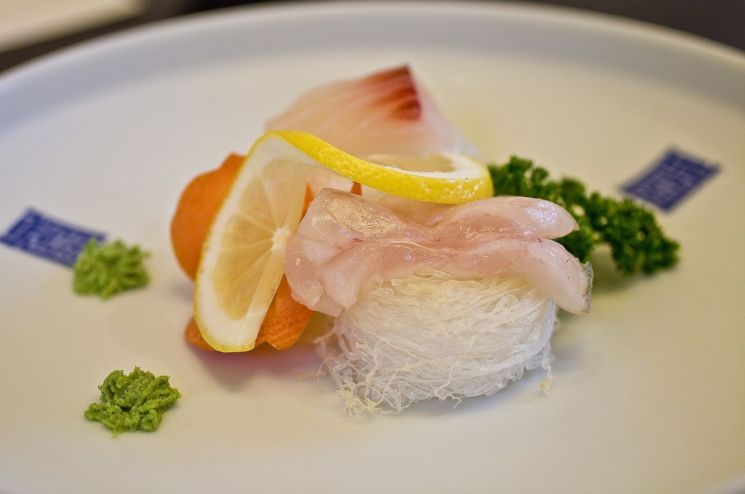
The online edition of the Japanese weekly magazine Shukan Shincho (週刊新潮), Daily Shincho, reported on the 12th under the headline "Japanese Omakase is trending in Korea," stating, "Omakase has now become a symbol of luxury among young Koreans." It added, "(Young people) make reservations at popular Omakase restaurants for special occasions such as first dates, birthdays, and Christmas."
The reporter who wrote the article, after visiting an Omakase restaurant in Seoul recently, said, "(About) 20% of the customers are business-related, and the remaining 80% are couples in their 20s and 30s," adding, "Going out with a partner and posting photos and videos on SNS to show off to others is part of the package." This implies that young people deliberately visit Omakase restaurants to flaunt on social media.
The media also claimed that Korea's Omakase culture serves as a means for men to meet women. Shukan Shincho stated, "In Korea, there is a stereotype that men must pay for the date," and "The real reason is that men feel compelled to appear wealthy and sophisticated in front of women." It further added, "Behind the craze lies the pretentiousness of Korean men and women."
"Korean youth eat cup noodles but wear fake Rolex watches"
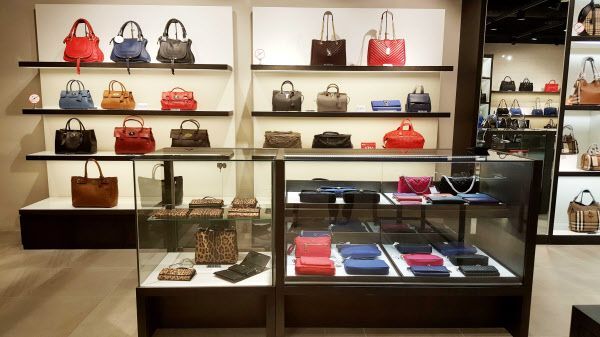
Recently, Japanese media have been focusing on Korea's luxury and wasteful consumption trends. Previously, a Japanese far-right media outlet criticized Korea's luxury consumption, calling it "a country that is all show and no substance, both then and now."
Last month, Yukan Fuji, a right-wing tabloid affiliated with Japan's Sankei Shimbun, said, "Young Koreans eat cup noodles for dinner but take photos wearing fake Rolex watches against a backdrop of empty Herm?s boxes," adding, "I don't think this is strange or a pitiful culture. It just reflects a country that is declining."
Meanwhile, according to a report by the American investment bank Morgan Stanley, Korea's luxury consumption last year totaled approximately 21 trillion won, with an estimated per capita consumption of about 404,000 won, higher than China (about 70,000 won) and the United States (about 350,000 won). Some voices suggest that the demand for high-priced products and services such as luxury goods, hotel vacations, and Omakase has increased, raising the average domestic consumption level.
© The Asia Business Daily(www.asiae.co.kr). All rights reserved.
![Clutching a Stolen Dior Bag, Saying "I Hate Being Poor but Real"... The Grotesque Con of a "Human Knockoff" [Slate]](https://cwcontent.asiae.co.kr/asiaresize/183/2026021902243444107_1771435474.jpg)
















