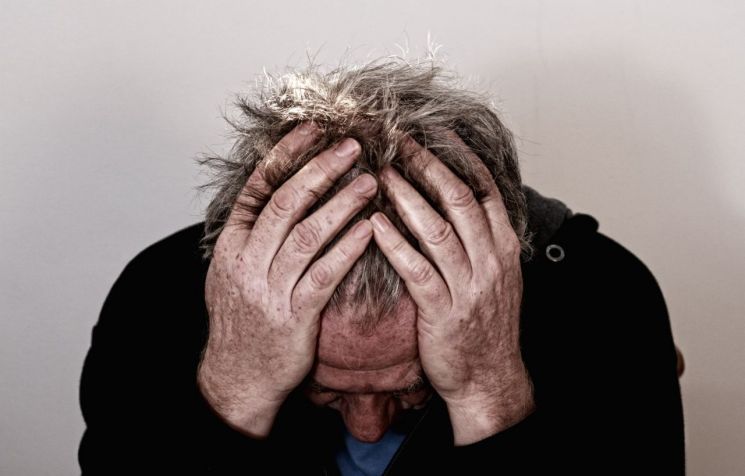
[Asia Economy Reporter Byeon Seon-jin] Among patients with "long COVID," which refers to the long-term aftereffects of COVID-19, 4 out of 10 experience brain fog as a neurological symptom. Brain fog refers to a persistent feeling of mental cloudiness, as if the mind is shrouded in fog.
Myongji Hospital held a symposium on COVID-19 aftereffects on the 22nd, marking the first anniversary of the Omicron surge, and announced research results on this topic. The study targeted 440 patients (292 women and 148 men) who responded out of 1,164 patients who visited the Myongji Hospital COVID-19 aftereffects clinic during the peak of Omicron from March to April last year. In Korea, symptoms persisting beyond four weeks after COVID-19 infection are classified as long COVID. The study revealed that the average time from COVID-19 diagnosis to clinic visit was 48 days, and the average age was 51.9 years.
According to the research results, the most common symptom was brain fog, reported by 38.6% of patients. This was followed by headache (31.1%), dizziness (29.1%), and memory decline (23.6%). 2% of patients also developed pneumonia.
Professor Jung Young-hee of Myongji Hospital’s Neurology Department, who conducted the study, explained, “Long COVID often presents neurological symptoms. Among them, brain fog was associated with decreased sense of smell and taste, fatigue, anxiety, memory decline, sleep problems, and older age. Headaches were more frequent in women, and dizziness was linked to fatigue and sleep issues.” Professor Jung added, “Long COVID is known to cause neuroinflammation due to immune responses triggered by COVID-19 infection, leading to neurological and psychological aftereffects.”
One in four Koreans experiences long COVID after COVID-19 infection. According to the “Preliminary Results of the COVID-19 Aftereffects Experience Survey” released by the Korea Disease Control and Prevention Agency on the 19th of last month, 24.7% (452 out of 1,833) of confirmed cases had symptoms lasting more than four weeks. The rate was nearly twice as high in women (30.7%) compared to men (16.1%).
"No definite prevention method yet, but vaccination can reduce risk"
Although there is no known definitive prevention method for long COVID yet, research shows that vaccination can reduce the likelihood of its occurrence. Professor Kim Yoon-jung of Kyungpook National University Hospital’s Infectious Diseases Department introduced a study conducted by Daniel Ayoubkhani’s team in the UK in May last year, which involved 28,356 confirmed cases aged 18 to 69. According to this study, the risk of developing long COVID was reduced by 12.8% and 8.8% for those who received the first and second vaccine doses, respectively, compared to unvaccinated individuals. Professor Kim suggested, “Continuous research is needed on the impact of post-infection vaccination and COVID-19 treatments on the risk of developing long COVID for patient management.”
"Mechanism not yet clearly identified... General treatment methods"
As the COVID-19 system transitions to endemic, there is growing emphasis on treatment and management of long COVID patients. Currently, because the exact mechanism of long COVID is not clearly understood, general treatments are applied to patients. Professor Cho Dong-ho of Myongji Hospital’s Infectious Diseases Department recommended that those experiencing long COVID ▲quit smoking ▲avoid dusty environments ▲avoid places with sudden temperature changes ▲engage in regular exercise. For severe symptoms, patients are advised to visit clinics for consultation followed by respiratory rehabilitation therapy.
© The Asia Business Daily(www.asiae.co.kr). All rights reserved.
![Clutching a Stolen Dior Bag, Saying "I Hate Being Poor but Real"... The Grotesque Con of a "Human Knockoff" [Slate]](https://cwcontent.asiae.co.kr/asiaresize/183/2026021902243444107_1771435474.jpg)















