Automobile Research Institute, Vehicle Data EU and US Legislative Trends
EU Data Law, Parliament Position to be Decided in March
Related Lawsuits in US...Automakers Oppose
Possibility of Sharing Tesla's Exclusive Driving Data Externally
[Asia Economy Reporter Choi Dae-yeol] In major advanced countries, the vehicle data, which was mainly monopolized by completed car manufacturers, is being changed to be shared with external companies such as repair and maintenance businesses and insurance companies. As autonomous driving and connected car technologies develop, data has become increasingly important, leading to calls for more proactive preparation in this regard.
According to the industry trend report released on the 31st by Senior Researcher Lee Seo-hyun of the Korea Automotive Technology Institute, the vehicle data-related market is expected to reach $86.9 billion (approximately 107 trillion KRW) by 2028. Vehicle data refers to information collected during operation through Internet of Things (IoT) devices, encompassing vehicle location, component status, surrounding environment, and more. The industry anticipates that this data will be utilized in various fields and will also serve as important information from a security perspective.
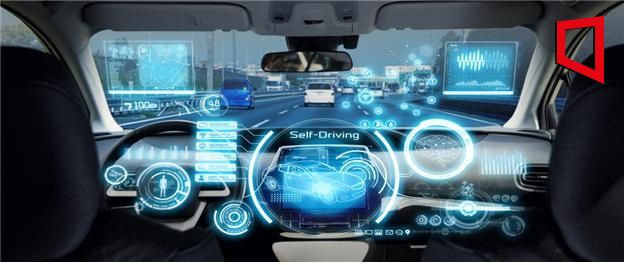
Until now, this data structure was monopolized by manufacturers. Recently, related laws and regulations have been established to allow sharing with various stakeholders in upstream and downstream industries. The European Commission (EC) announced a draft of the EU Data Act last year, which requires automobile manufacturers to share vehicle data with independent repair and maintenance businesses as well as third parties such as insurance companies. The European Parliament is scheduled to review this draft in March and decide its stance.
The EU Data Act is a law that regulates the protection and management obligations of industrial data for both domestic and foreign companies within the region, and it includes sharing obligations, so its passage is expected to have a significant impact on the industry. Previously, under the General Data Protection Regulation (GDPR) introduced in Europe, violating personal data protection and management obligations could result in fines of 4% of global revenue (minimum 20 million euros). The EU Data Act is also expected to include similar penalties. For example, currently, Tesla monopolizes driving information collected for autonomous driving, but new regulations will require sharing this data if needed externally.
Alongside this, the EU plans to revise the Motor Vehicle Block Exemption Regulation (MVBER) to guarantee vehicle data accessibility to independent repair and maintenance businesses for three months starting in June. This regulation exempts competition law application when automobile manufacturers, dealers, and parts suppliers take measures to promote competition in transactions.
The amendment includes provisions to guarantee access to vehicle data necessary for repair and maintenance. The scope of sharing and other details will be decided by May. The European Insurance Association is requesting that this data accessibility also be guaranteed for insurance companies.
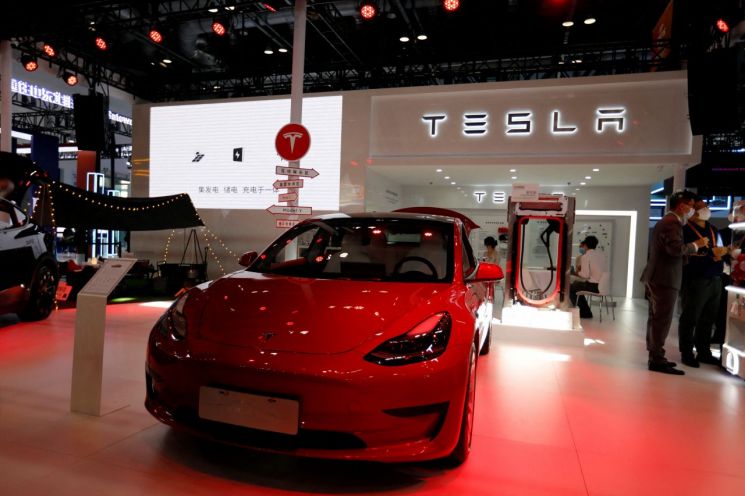 Tesla Model 3 exhibited at an event venue in Beijing, China, last September. Tesla is collecting vast amounts of data related to autonomous driving.
 Similar movements are underway in the United States. If the Vehicle Data Access Act currently under discussion in Massachusetts is enacted, repair and maintenance businesses will be able to access vehicle data. This bill adds telematics system data to the information that automobile manufacturers must provide to repair businesses under existing right-to-repair laws.
It mandates that completed car manufacturers provide an open platform allowing repair businesses to access vehicle diagnostic data via mobile applications. Although this was passed in 2020, it is currently suspended due to lawsuits. Depending on the court ruling, it may come into effect. The completed car industry opposes this law citing cybersecurity risks and potential violations of existing regulations. Some companies have even disabled telematics functions on vehicles sold in this region.
There are calls for Korean companies to participate more actively in the process of changing regulations related to vehicle data. Senior Researcher Lee said, "Vehicle data-related legislation will significantly change the overall industrial power structure. Since important aspects such as the scope of sharing, sharing methods, and cost burden allocation have not yet been decided, domestic companies need to actively participate." He added, "As the value of data increases, hacking issues continue, and investment support for communication and security technologies to prevent this is necessary."
© The Asia Business Daily(www.asiae.co.kr). All rights reserved.
![Clutching a Stolen Dior Bag, Saying "I Hate Being Poor but Real"... The Grotesque Con of a "Human Knockoff" [Slate]](https://cwcontent.asiae.co.kr/asiaresize/183/2026021902243444107_1771435474.jpg)
















