[Seoul District News] Eunpyeong-gu 189 Households Participate, Reducing Household Waste by 29.1% and Recyclables by About 26.4% & Selected as an Exemplary Institution for Carbon Neutral Volunteer Activities by the Ministry of the Interior and Safety ... Seodaemun-gu Raises Sales Commission Rate from 6% to 9% Without Increasing Price of Volume-Based Waste Bags from 2023 ... Gwangjin-gu Expands Recycling Stations Mainly in One-Room, Multi-Family, and Row Houses Where Single-Person Young Adults Reside
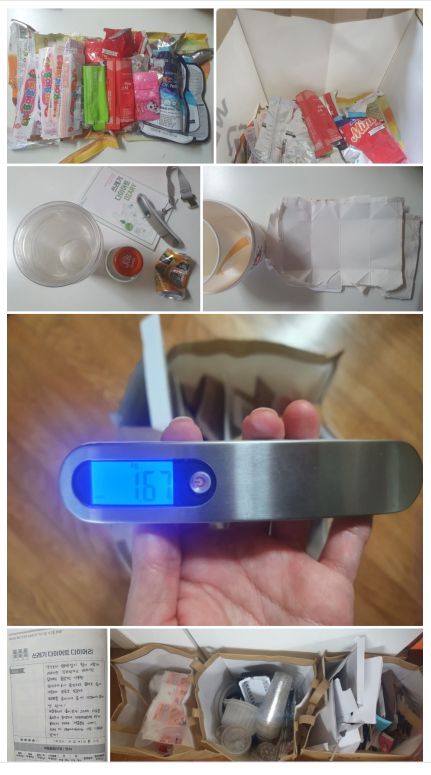
[Asia Economy Reporter Jongil Park] Eunpyeong-gu (Mayor Kim Mi-kyung) announced that as a result of conducting a 'Garbage Diet' involving 189 households, the amount of garbage discharged per participating household decreased by a total of 29%.
The 'Garbage Diet' is a citizen practice project challenging the reduction of waste discharge to protect daily life from the climate crisis, conducted from July to September. Each household voluntarily set a waste reduction plan, kept a diary, and measured the amount of waste discharged using scales, challenging themselves to reduce waste.
The participants were residents belonging to the Eunpyeong-gu Volunteer Center, with a total of 189 households ranging from 1 to 8 members. The breakdown by household size is 18 single-person households, 35 two-person households, 52 three-person households, 65 four-person households, and 19 households with five or more members.
First, participants were provided with activity diaries, hand scales, and separate disposal bins, and were asked to measure the amount of regular household waste and recyclables discharged. Experts in resource circulation advised on ways to reduce waste and how to separate recyclables based on the waste discharge status of each household.
Additionally, know-how and ideas for reducing waste practiced in daily life were shared in real time. As a result, participants succeeded in reducing household waste by 29.1% and recyclables by 26.4%.
Participants who succeeded in the Garbage Diet planted 200 trees to create a 'Citizen Urban Forest' in the first neighborhood park of Jikachon. It is expected to have an annual carbon reduction effect of about 500 tons, aiming to build green infrastructure where people and nature coexist.
The Eunpyeong-gu Volunteer Center also achieved a meaningful accomplishment by being selected as an excellent volunteer center by the Ministry of the Interior and Safety and the Korea Central Volunteer Center due to active participation in carbon-neutral volunteer activities.
Although participating households generally succeeded in reducing waste discharge, they agreed that it was difficult to reduce the discharge of single-use items. Despite efforts to reduce plastic waste by using tumblers and reusable containers, paper, vinyl, and Styrofoam were difficult to reduce solely through individual efforts due to delivery packaging materials and excessive packaging.
Kim Mi-kyung, Mayor of Eunpyeong-gu, said, "We will strive to systematically inform residents about the basic concepts of waste, processing procedures, and separation methods so that they can practice waste reduction in daily life," adding, "We will spare no support in preparing various policies to move toward an eco-friendly carbon-neutral society."
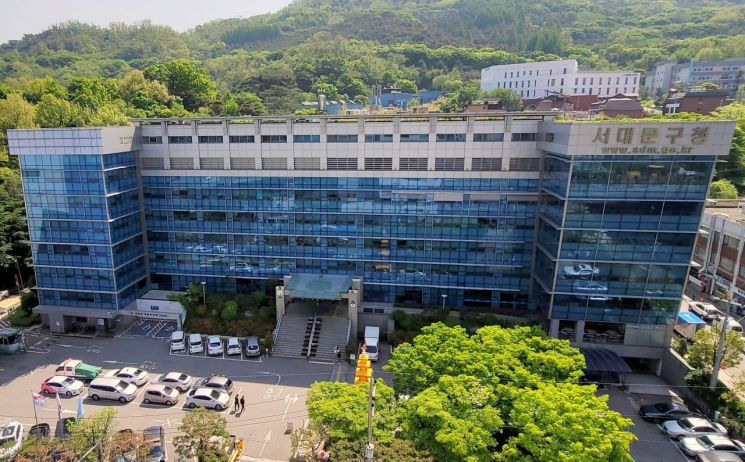
Seodaemun-gu (Mayor Lee Seong-heon) will increase the 'sales commission rate' for volume-based waste bags and food waste payment certificates from the current 6% to 9% starting in 2023.
However, consumer prices will not increase. This commission rate increase is expected to generate an additional annual profit of about 200 million KRW for approximately 430 local sales outlets such as supermarkets and convenience stores.
The current 6% sales commission rate for volume-based waste bags is the lowest among the 25 autonomous districts in Seoul, with 18 districts currently set at 9%.
To implement this increase, the district revised the 'Seodaemun-gu Waste Management Ordinance Enforcement Rules' on the 30th of last month.
As the profits of sales outlets increase, it is expected that consumers will find it easier to purchase volume-based waste bags and that new sales outlets will expand.
Lee Seong-heon, Mayor of Seodaemun-gu, said, "I hope this commission rate increase will help small business owners even a little, and we will work harder to carefully address even the small difficulties of the local commercial district."
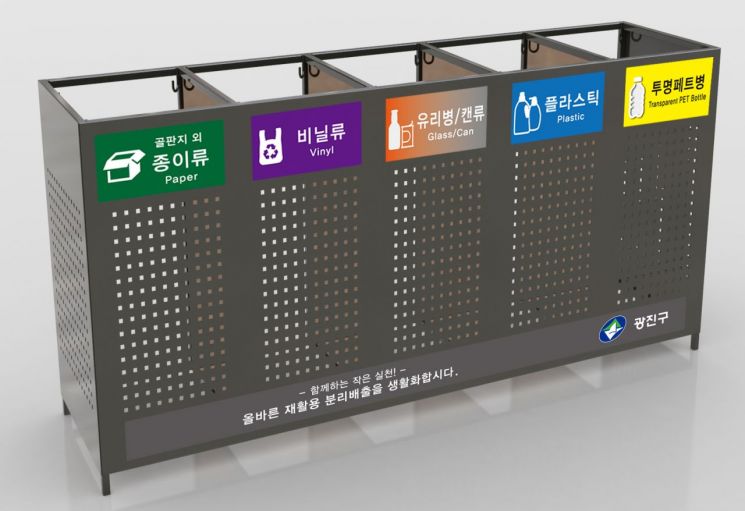
Gwangjin-gu (Mayor Kim Kyung-ho) has actively started expanding recycling stations mainly in one-room neighborhoods where young single-person households mainly reside to create a clean city.
Gwangjin-gu has a single-person household rate of 49.2%, and in particular, Hwayang-dong, where many university students live alone, reaches 81.9%.
Young single-person households generate a lot of disposable waste due to deliveries and small-scale purchases, but one-room neighborhoods where they are concentrated have relatively poor conditions compared to apartments, resulting in many places where recyclable waste is indiscriminately discarded.
To solve this problem, the district expanded recycling stations mainly in one-room neighborhoods and multi-family and multi-household residences, encouraging residents to participate in separate disposal themselves to realize resource circulation and minimize the inconvenience and complaints of residents suffering from waste.
This year, 154 new recycling stations were installed, and currently, a total of 896 stations operate in Gwangjin-gu.
The five-compartment recycling bins installed at the recycling stations allow for separation by material types such as paper, metal, glass bottles, plastics, and transparent PET bottles, and are designed so that the inside is visible from the outside to maintain cleanliness.
Additionally, 100 newly installed recycling stations that participated in separate disposal were provided with free bags for holding the recycling bins once. The district plans to continuously expand recycling stations targeting areas vulnerable to separate disposal within the region.
Kim Kyung-ho, Mayor of Gwangjin-gu, said, "The expansion of recycling stations is a project to create a clean and livable city through the active participation of residents," adding, "We will continue to discover recycling projects that help daily life and take the lead in improving awareness of recyclable waste discharge."
© The Asia Business Daily(www.asiae.co.kr). All rights reserved.
![Clutching a Stolen Dior Bag, Saying "I Hate Being Poor but Real"... The Grotesque Con of a "Human Knockoff" [Slate]](https://cwcontent.asiae.co.kr/asiaresize/183/2026021902243444107_1771435474.jpg)

















