[Asia Economy Reporter Seungjin Lee] Top stars who frequently appeared in game advertisements have disappeared. This is due to the game industry significantly cutting marketing expenses instead of labor costs, which cannot be reduced because of rising labor costs and delays in new game development.
Game Companies Tighten Belts... Reduce Marketing Expenses
According to the game industry on the 23rd, the performance of major game companies in the second quarter was influenced by marketing expenses. Netmarble's marketing expenses accounted for about 20% of its 695.3 billion KRW operating expenses in the second quarter, totaling 144.4 billion KRW. Netmarble's marketing expenses in Q2 increased by 43.8% compared to the previous year. This was due to a significant increase in pre-marketing costs for the global releases of "The Second Country: Cross World," "Merge Kungya Island," and "Seven Knights Revolution."
Kakao Games spent 20.4 billion KRW on marketing costs for the global launch of "Odin: Valhalla Rising" and the release of "Uma Musume Pretty Derby," which accounted for about 8% of its total operating expenses of 257.8 billion KRW in the second quarter.
The second-quarter performances of the two companies diverged. While Netmarble, which spent a large amount on marketing, recorded an operating loss of 34.7 billion KRW, Kakao Games achieved an operating profit of 81 billion KRW, marking the highest since its founding. The success of new releases and operating expenses centered on marketing costs had a significant impact on performance.
All major game companies are facing similar situations. NCSoft's second-quarter performance fell short of expectations, citing increased marketing expenses as the reason. Despite no significant new releases in Q2, marketing expenses accounted for 11.8% of sales. Accordingly, NCSoft plans to improve profitability in the second half of the year by controlling marketing expenses.
Instead of Paying Advertising Fees to Influencers, a Portion of Payment Amounts is Accumulated
As competition for talent acquisition makes it possible to only optimize marketing expenses among fixed costs, marketing trends in the game industry have also begun to change.
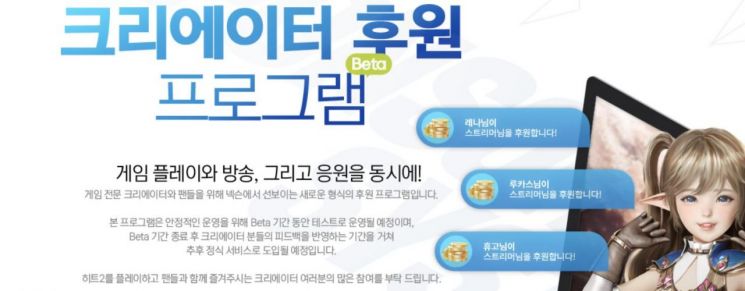
Nexon is introducing the industry's first "Creator Support System" through its new game "Hit 2." This system accumulates a portion of the amount users pay within the game to creators. Until now, it was common for game companies to arbitrarily contact specific influencers to sign advertising contracts and pay fees based on gameplay promotions.
The support program will undergo a beta test for about three months starting with the official release of Hit 2. After the beta ends on November 30, feedback from creators will be reflected before the system is officially launched. Any creator operating a YouTube channel can apply for support, and those with channels on other broadcasting platforms can also include them in the application.
Existing promotions where influencers play games in exchange for advertising fees have been criticized for causing resentment among regular users. Popular influencers reportedly receive tens of millions of KRW, and when a new game is released, promotions with a dozen or so influencers at once significantly impact marketing expenses. Nexon's new support system is expected to be advantageous in reducing marketing costs.
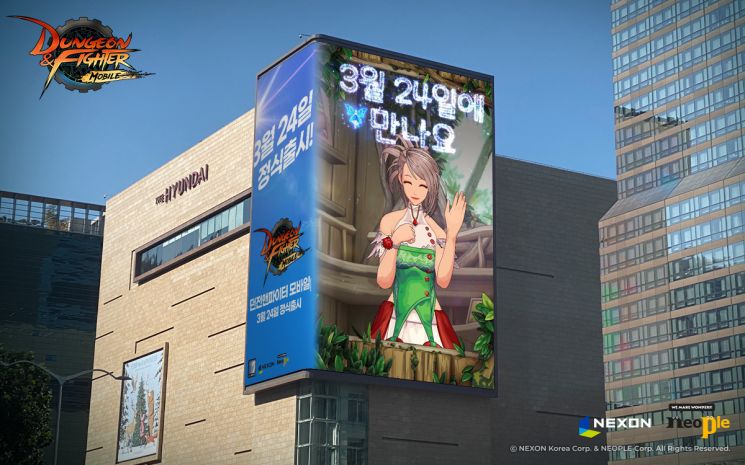
The game industry plans to explore various measures to optimize marketing expenses. A game industry official explained, "In the future, it will be difficult to see TV commercials featuring top stars or large outdoor advertisements. Marketing will be segmented according to the characteristics of each game and focused on actual demand groups."
© The Asia Business Daily(www.asiae.co.kr). All rights reserved.
![Clutching a Stolen Dior Bag, Saying "I Hate Being Poor but Real"... The Grotesque Con of a "Human Knockoff" [Slate]](https://cwcontent.asiae.co.kr/asiaresize/183/2026021902243444107_1771435474.jpg)
















