From Cough, Phlegm Respiratory Symptoms to Unexplained Fatigue
Experts "Research Expansion Needed to Prepare for Long-Term Sequelae"
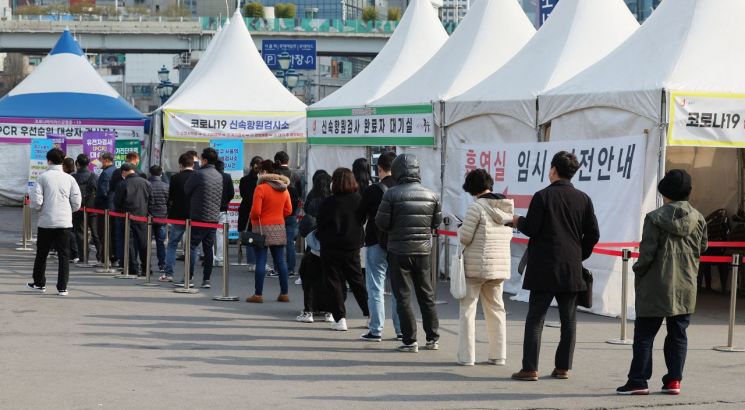
[Asia Economy Reporter Kim Young-won] "I had no particular symptoms during the quarantine period, but after the quarantine was lifted, my nose became congested, and every time I breathe, my nose feels hot and spicy. The spiciness in my nose causes pain that feels like it's pulling at the back of my head, and I can't sleep properly." Ms. An I-ju (26) was diagnosed with COVID-19 at the end of last month and had a mild case, but after the quarantine was lifted, she experienced various aftereffects. Starting with symptoms of nasal spiciness and congestion, she developed hives all over her body and persistent fatigue.
According to the quarantine authorities on the 8th, as the Omicron variant surged, the number of COVID-19 infections in South Korea reached 15 million, leading to an increase in patients complaining of various aftereffects. A domestic research team studied 21,615 COVID-19 patients using data from the Health Insurance Review and Assessment Service and found that 19.1% of patients experienced one or more aftereffects. As patients reporting aftereffects increased, some hospitals, such as Myongji Hospital and Hana ENT Hospital, established clinics dedicated to COVID-19 aftereffects.
COVID-19 aftereffects vary widely, from respiratory symptoms like cough and sputum to unexplained symptoms such as fatigue. In March alone (from the 3rd to the 29th), about 66% of patients visiting the aftereffects recovery clinic at Hana ENT Hospital reported three or more combined symptoms. During the same period, 22 symptoms were identified, including pain symptoms like headaches and chest pain, olfactory and taste disorders, fatigue, and decreased concentration. Mr. Oh Mo (62), who experienced taste disorders after quarantine, said, "I tasted bitterness in food for over a week," adding, "Sometimes even sweet foods like chocolate tasted bitter."
Prescriptions and responses vary depending on the symptoms. Respiratory symptoms were mainly treated with cough medicine and expectorants. For other symptoms, various treatments were prescribed, including intravenous fluids, immune tests, and electrocardiograms. The director of a designated respiratory treatment medical institution in Seoul said, "Cough and sputum symptoms often disappear within a week after medication," adding, "For aftereffects like fatigue, we focus more on counseling for lifestyle improvements rather than medication." Professor Baek Soon-young, emeritus professor at the Catholic University School of Medicine, explained, "Cough symptoms can be treated with medication, but it is not yet clear to what extent psychiatric and neurological treatments are effective for aftereffects like fatigue and forgetfulness," adding, "While medication is important, basic lifestyle rules such as getting enough rest and consuming high-protein nutrients may be even more crucial."
Although the number of patients complaining of COVID-19 aftereffects is increasing, related research is severely lacking. The National Institute of Health is conducting a survey on COVID-19 aftereffects among 1,000 confirmed patients using the World Health Organization (WHO) survey method. Professor Baek emphasized, "As the number of infected people increases, research on aftereffects becomes more important than treatment research," and added, "Results should be released more quickly with a larger number of patients, not just 1,000." He also noted, "Since about half of the entire pediatric population has been infected, research on long-term aftereffects such as whether COVID-19 infection causes brain or organ damage during growth is necessary," and added, "Social consensus should also be reached on issues such as whether patients suffering from aftereffects severe enough to interfere with daily life should be allowed to take leave from work."
© The Asia Business Daily(www.asiae.co.kr). All rights reserved.
![Clutching a Stolen Dior Bag, Saying "I Hate Being Poor but Real"... The Grotesque Con of a "Human Knockoff" [Slate]](https://cwcontent.asiae.co.kr/asiaresize/183/2026021902243444107_1771435474.jpg)















