US Media Also Focuses on Intel's Apology
Biden Signs Law Banning Imports of Products Linked to Xinjiang Human Rights Abuses
WSJ: "Intel a Victim of US-China Conflict"
[Asia Economy New York=Correspondent Baek Jong-min] As the US-China conflict over human rights abuses in China escalates, the fallout has extended into the semiconductor sector. With US President Joe Biden signing a bill regulating imports of goods from Xinjiang, the human rights dispute between the two countries is expected to intensify sharply.
The White House announced on the 23rd (local time) that President Joe Biden signed the 'Uyghur Forced Labor Prevention Act,' which in principle bans the import of goods produced in Xinjiang, on the 23rd (local time).
With President Biden's signature, this law takes effect and applies a rebuttable presumption principle to goods manufactured in Xinjiang, assuming they are products of forced labor unless proven otherwise.
Going forward, anyone importing goods produced in Xinjiang into the US must prove to the US Customs and Border Protection (CBP) that forced labor was not involved. If exceptions are not granted, imports will be prohibited.
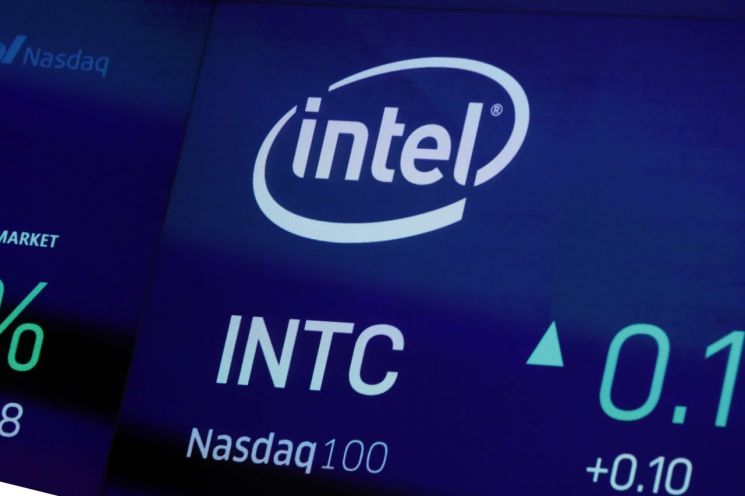
President Biden's signing of this bill is particularly notable as it came shortly after semiconductor company Intel urged its suppliers to be cautious about using Xinjiang-sourced materials and then apologized following backlash from China.
On the same day, Intel issued an apology statement saying, "We deeply apologize to our respected Chinese customers, partners, and the public for the confusion caused."
Intel eventually backed down after facing fierce criticism not only from Chinese netizens but also from the state-run Global Times, which launched a strong editorial attack. The Times harshly criticized Intel for "biting the hand that feeds it" and urged the Chinese government to accelerate localization of semiconductor supply chains within China.
Ultimately, Intel clarified that the request was drafted to comply with US law and did not represent Intel's position on Xinjiang, but its explanation to the US media was different.
CNN reported that an Intel spokesperson stated the company remains committed to ensuring compliance with relevant laws and regulations in the US and other jurisdictions throughout its global supply chain.
Intel added, "We issued a statement in China to address concerns raised by Chinese stakeholders regarding how we communicate specific legal requirements and policies within our global supplier network."
The Wall Street Journal pointed out that Intel is the latest example caught in a difficult position amid the conflict between Washington and Beijing. Intel is a company actively supporting the Biden administration's semiconductor supply chain stabilization measures.
Xinjiang is a key supplier of cotton used in clothing production. A significant portion of polysilicon used in solar panels is also produced in this region.
The previous Trump administration also imposed a complete ban on imports of cotton products from Xinjiang in January.
The conflict ultimately burdens companies. Clothing brands such as H&M, Nike, Burberry, and Adidas, which stopped using Xinjiang cotton, faced major boycotts within China.
The Biden administration has made human rights a core element of its foreign policy and has criticized the Chinese government for human rights abuses in Xinjiang, labeling them as 'genocide.'
Secretary of State Antony Blinken also emphasized in a statement on the same day, "Addressing forced labor is a top priority for this administration. We will continue to do our utmost to restore the dignity of those seeking to escape forced labor and call on the Chinese government to immediately end the genocide and crimes against humanity against Uyghurs and other ethnic minorities in Xinjiang."
The US has decided to diplomatically boycott the Beijing Winter Olympics in February next year due to human rights violations and is urging allied countries to join the boycott.
© The Asia Business Daily(www.asiae.co.kr). All rights reserved.
![Clutching a Stolen Dior Bag, Saying "I Hate Being Poor but Real"... The Grotesque Con of a "Human Knockoff" [Slate]](https://cwcontent.asiae.co.kr/asiaresize/183/2026021902243444107_1771435474.jpg)















