Aquaculture License Public Rental... Attracting Tourism and Leisure Facilities to Idle National Fishing Port Sites
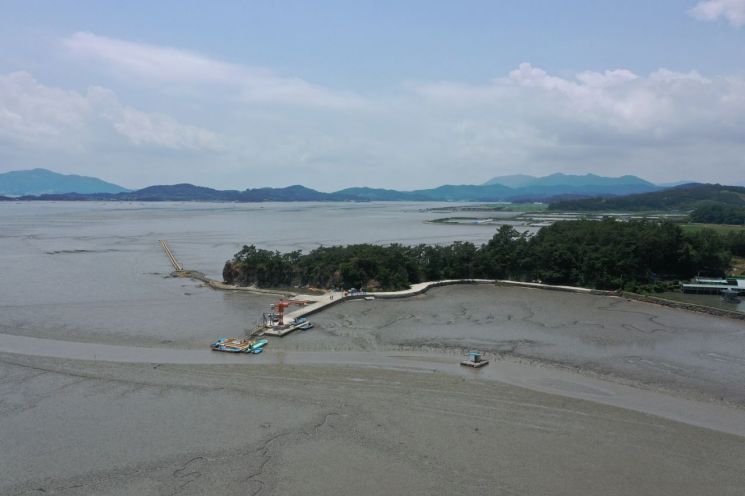
[Sejong=Asia Economy Reporter Moon Chaeseok] The government announced plans to significantly lower the entry barriers to fishing village communities and expand income bases through private investment inducement by 2030 to revitalize fishing villages facing extinction risks due to population decline and aging. Through this, it aims to achieve an average household income of 80 million KRW in fishing villages by 2030 and maintain the population at the current level of about 100,000.
The Ministry of Oceans and Fisheries announced the 'Fishing Village Revitalization Measures' on the 29th. First, a new 'public lease-type license' will be established, where public institutions lease aquaculture and village fishery licenses to people moving into fishing villages. Currently, existing fishermen have priority, and public institutions cannot lease licenses to third parties. Going forward, aquaculture lease will be allowed for fishing company corporations where the majority of members are new fishery entrants.
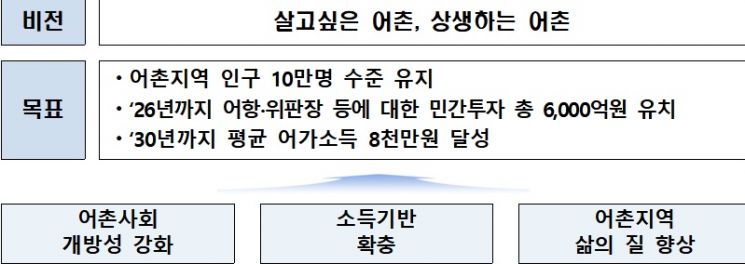 Vision and Promotion Strategies for Revitalizing Fishing Villages. (Source: Ministry of Oceans and Fisheries)
Among the newly issued aquaculture licenses, which are limitedly granted each year considering the supply and demand of aquaculture seafood, some will be issued to new fishery entrants. To support young people who have difficulty raising capital, a 'Youth Fishing Vessel Lease Project' will be implemented, where public institutions lease idle fishing vessels at low cost. After leasing 10 vessels as a pilot project next year, expansion will be considered.
On sites of smart aquaculture clusters being developed in five locations nationwide, including Busan and Jeonnam, public smart aquaculture farms will be established and used as facilities to educate prospective entrepreneurs and aquaculture fishermen.
Additionally, the government plans to expand private investment attraction by developing tourism and leisure facilities, shopping centers, and corporate training centers on idle land in national fishing ports. Through this, it aims to attract a total of 600 billion KRW in private investment by 2026. Other initiatives include ▲implementing a pilot project for modernization of fish markets next year ▲establishing a fishing village asset investment fund matching private investment with government contributions ▲introducing a system recognizing those not directly engaged in fishing as 'quasi-new fishery entrants' ▲expanding the number of startup support recipients under 40 years old to 220 next year, an increase of 20.
Kim Junseok, Director of Fisheries Policy at the Ministry of Oceans and Fisheries, said, "Fishing villages not only serve as suppliers of seafood but also play a public role in protecting maritime territories, which are 4.4 times the land area of the country, and securing marine and fisheries resources. We will do our best to create vibrant fishing villages that encompass multiple generations and various occupations."
© The Asia Business Daily(www.asiae.co.kr). All rights reserved.
![Clutching a Stolen Dior Bag, Saying "I Hate Being Poor but Real"... The Grotesque Con of a "Human Knockoff" [Slate]](https://cwcontent.asiae.co.kr/asiaresize/183/2026021902243444107_1771435474.jpg)
















