La Ni?a Brings Cold Wave and Heavy Snow to East Asia
Increasing LNG Imports Amid Eco-Friendly Policies
COVID-19 Causes Successive LNG Plant Shutdowns
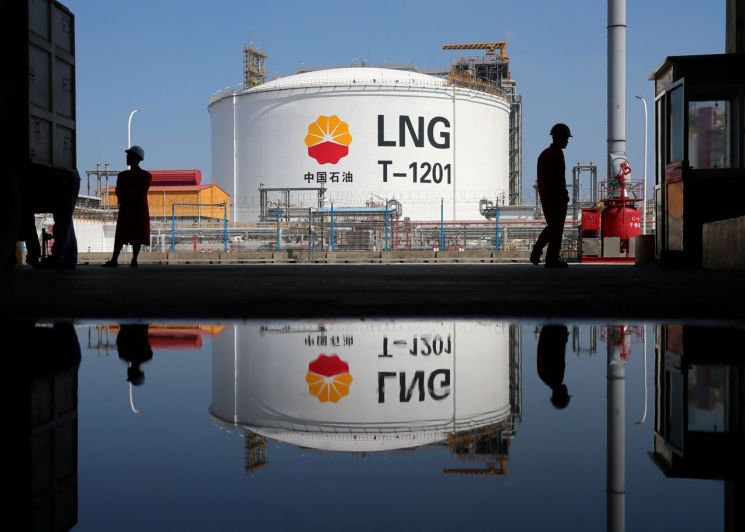
[Asia Economy Reporter Lee Hyun-woo] Along with the record-breaking cold wave and heavy snowfall sweeping across East Asia, combined with the region's green 'coal phase-out' policy stance, liquefied natural gas (LNG) prices in Asia have surged more than ninefold since the low point at the end of April last year. The short-term supply shortage has been exacerbated by the closure of production plants in major natural gas producing regions such as the Middle East and the North Sea in Europe due to the impact of the novel coronavirus disease (COVID-19), and price pressures are expected to continue throughout this winter. Experts predict that once the cold wave subsides, demand decreases, and production plants resume operations, the sharp price surge will ease.
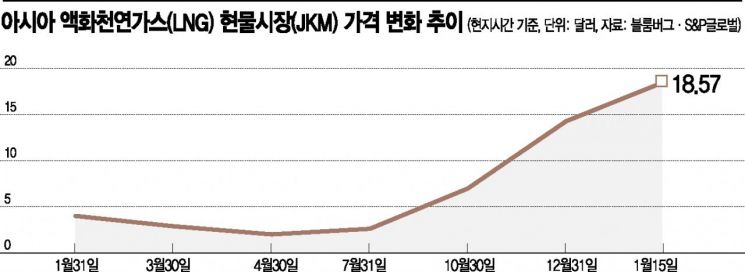
According to market research firm S&P Global on the 18th (local time), the 'Asia LNG Spot Market (JKM)' price, a key LNG price indicator for major East Asian countries, stands at $18.57. LNG prices, which were only $2 at the end of April last year, have skyrocketed more than nine times in just nine months. The Asia LNG price, which had halved from $4.02 at the end of January last year when the COVID-19 impact began, started to rebound from July and is currently on a rapid rise.
The main causes of the sharp rise in LNG prices in the Asia region are cited as three major factors: record-breaking cold waves, supply shortages due to COVID-19, and the green coal phase-out policies of various countries.
◆ Surge in Gas Demand Due to Arctic Cold Wave
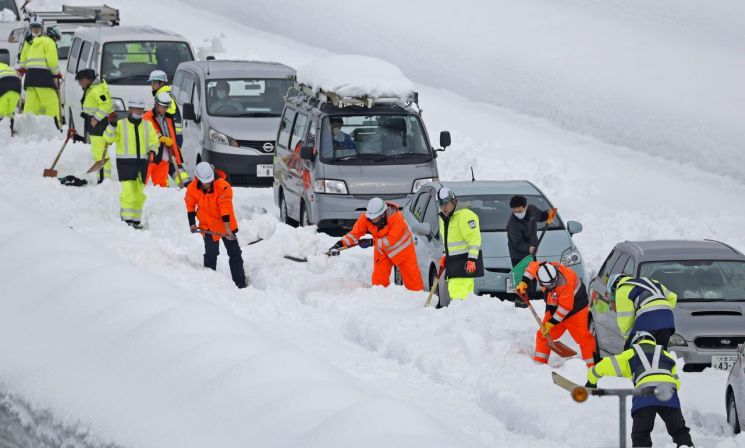
According to Japan's NHK, heavy snowfall in many areas including Niigata Prefecture this winter has led to record-high demand for heating gas and electricity. NHK quoted a Mitsubishi Corporation official saying, "As the cold wave intensifies in China, Korea, and Japan, when LNG volumes come up for bidding, the three countries competitively purchase them, causing prices to rise sharply."
According to the World Meteorological Organization (WMO), East Asia is experiencing lower-than-average temperatures and heavy snowfall this year due to the La Ni?a phenomenon, which causes a sharp drop in sea surface temperatures in the eastern Pacific. Following the La Ni?a effect, the weakening of the jet stream over the Arctic due to global warming has allowed the Arctic cold wave to push through, leading to sporadic cold spells throughout this winter. The Nihon Keizai Shimbun analyzed that "the LNG shortage will continue throughout the winter and is expected to last for another one to two months."
◆ Short-term Supply Issues Due to COVID-19
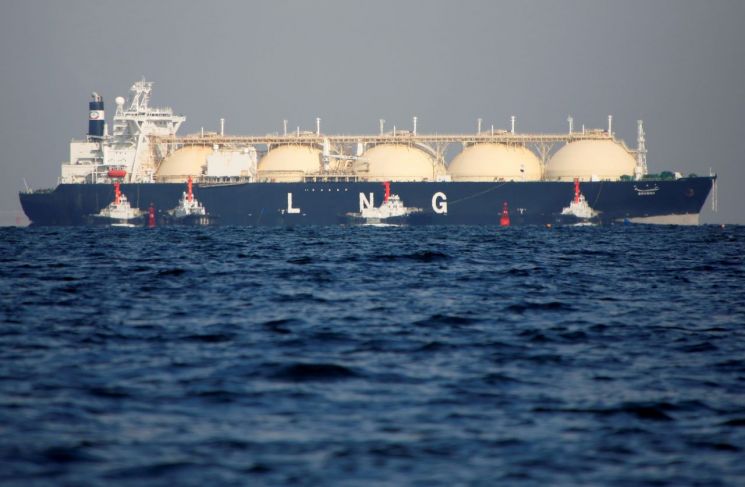
Energy specialist media OilPrice.com pointed to supply issues caused by COVID-19 as another short-term reason for the surge in LNG prices in Asia, alongside the cold wave. According to market research firm IHS Markit, over 20% of LNG production plants in major LNG-exporting countries to Asia, such as Australia, Malaysia, Norway, and Qatar, have been shut down due to COVID-19 issues. As the spread of COVID-19 in these countries has not yet subsided, it is expected to take more time to resume production.
Along with reduced production, the sharp rise in LNG carrier charter rates due to increased demand is also contributing to higher market prices. According to OilPrice.com, LNG carrier charter rates in the international shipping market have surged more than 35% since September last year, with daily charter rates now soaring to $150,000.
◆ Impact of Green Coal Phase-Out Policies
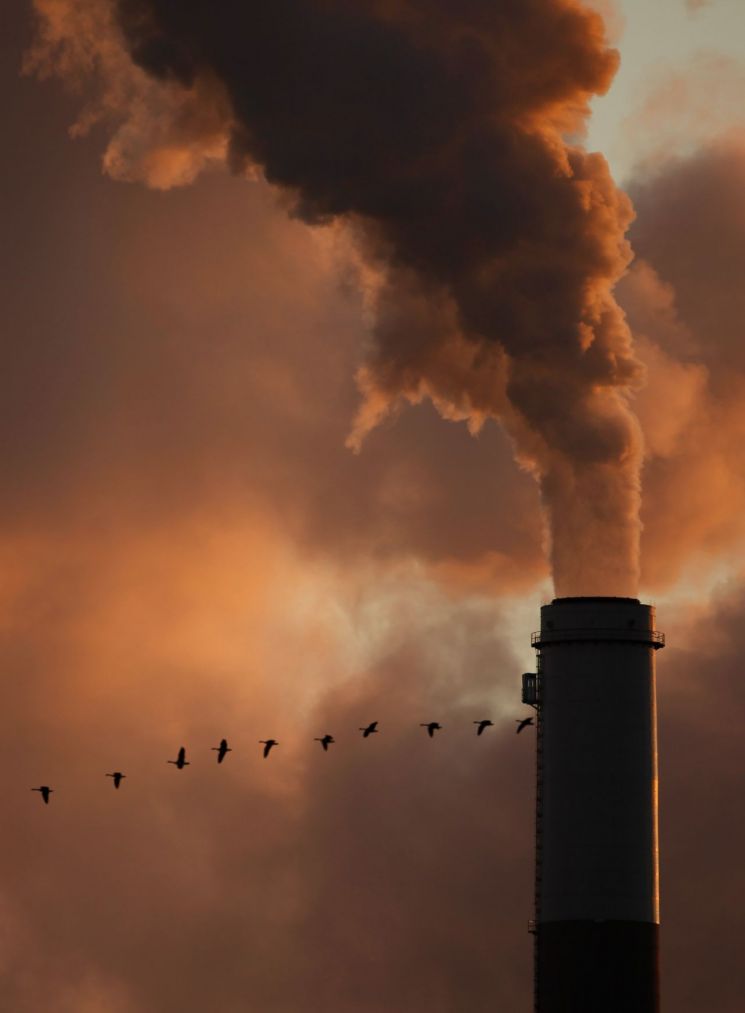
While the cold wave is causing a short-term spike in LNG prices in Asia, the mid-to-long-term price increase is attributed to coal phase-out policies. According to major foreign media such as the Associated Press, the three Asian countries?Korea, China, and Japan?are all significantly increasing natural gas demand in line with carbon neutrality and nuclear phase-out policies.
In the 'Global Gas Report 2020' recently published by the International Gas Union (IGU), the world's largest LNG importers were all Asian countries. The ranking is led by Japan (102 billion cubic meters), followed by China (84 billion cubic meters), Korea (54 billion cubic meters), and India (33 billion cubic meters).
Japan, after the Fukushima nuclear accident in 2011, has pushed forward with a nuclear phase-out policy and now relies on LNG-fired thermal power for 40% of its total power generation. China is also rapidly increasing LNG usage as it pursues a coal phase-out policy aiming for net-zero greenhouse gas emissions by 2060.
Market experts predict that as India also begins to strongly promote coal phase-out policies, the Asian LNG market prices are expected to rise in the mid-to-long term. According to S&P Global, the Indian government plans to increase LPG usage in thermal power generation from 6% to 25% over ten years starting in 2021, indicating a substantial future demand for LNG.
© The Asia Business Daily(www.asiae.co.kr). All rights reserved.
![Clutching a Stolen Dior Bag, Saying "I Hate Being Poor but Real"... The Grotesque Con of a "Human Knockoff" [Slate]](https://cwcontent.asiae.co.kr/asiaresize/183/2026021902243444107_1771435474.jpg)

















