Reliance on Coal Power for Economic Growth and Electricity Bill Reduction
Coal Power Plant Construction Despite '2060 Carbon Neutrality' Declaration
EU Members Accelerate Carbon Neutrality... US Speeds Up Coal Phase-Out
Coal Consumption in Developing Countries like Indonesia and Vietnam Up 30-40%
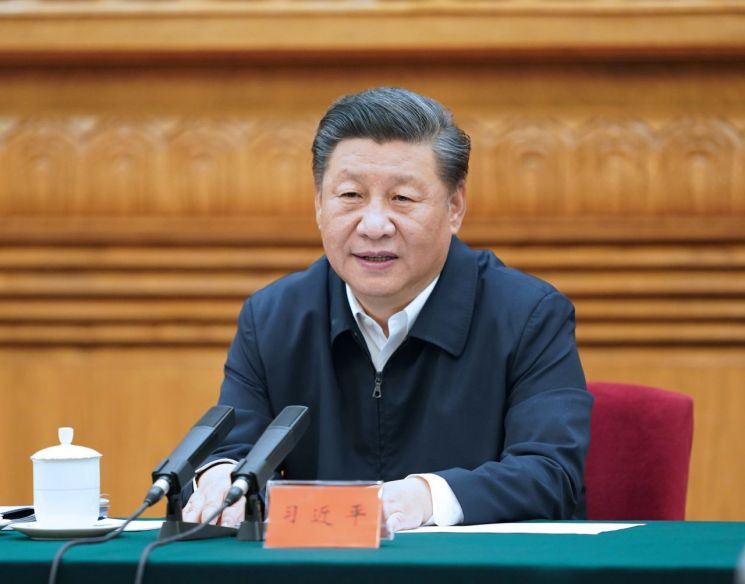
[Asia Economy Reporter Kim Bo-kyung] Although the 'carbon neutrality' agenda to combat climate change is sweeping across the globe, China is still actively expanding coal-fired power plants and investing in overseas coal projects. There are also forecasts that China will continue to rely on coal power to overcome the COVID-19 pandemic and reduce electricity costs.
The Korea Environment Institute (KEI), a national research institute, revealed this in its recently published report titled "Trends in Coal Phase-Out Transitions in Major Regions of the World."
◆ China, the largest coal consumer... 30 times that of South Korea = China is the world's largest coal consumer. As of 2019, China's coal power capacity totaled 982,264 MW, about four times that of the United States and India, and roughly 30 times that of Japan and South Korea. Coal has been the energy source driving China's economic development, accounting for 70% of total energy between 1990 and 2015. Over 70% of the world's power plant capacity built between 2000 and 2017 was constructed within China.
Of course, China has also introduced renewable energy transition policies to participate in the international trend of responding to climate change. The "13th Five-Year Plan (2016?2020)," a national economic development blueprint, established green development as a core ideology and promoted key policies such as ▲expanding investment in renewable energy ▲improving energy efficiency ▲activating green finance. Policies to increase the share of LNG power generation instead of coal were also introduced.
KEI stated that "despite the coal phase-out agenda, China is simultaneously pursuing policies to expand and increase coal power plants," diagnosing that "due to trade conflicts with the United States and COVID-19, the current Chinese government's top priorities are economic growth and economic stimulus." It further analyzed that "China is expected to continue relying on coal power to keep electricity prices low," and "local governments with high dependence on the coal industry for regional GDP are in a situation where they cannot actively support coal phase-out policies."
◆ "Construction of coal power plants and overseas investments will continue" = The nonprofit environmental research group CoalSwarm revealed in a report published in September 2018 that China plans to build an additional 464 coal-fired power plants with a capacity of 295 GW. Scientific journal Science and British newsweekly The Economist also reported that China's coal-fired power capacity increased by 40 GW in 2019 compared to the previous year, and that coal-fired power plants with a capacity of 100 GW are under construction.
China is also actively investing in overseas coal projects. China plans to invest in coal power generation in 126 countries participating in the Belt and Road Initiative (一帶一路, land and maritime Silk Road economic cooperation), with coal power capacity scheduled to reach 38 GW by 2030.
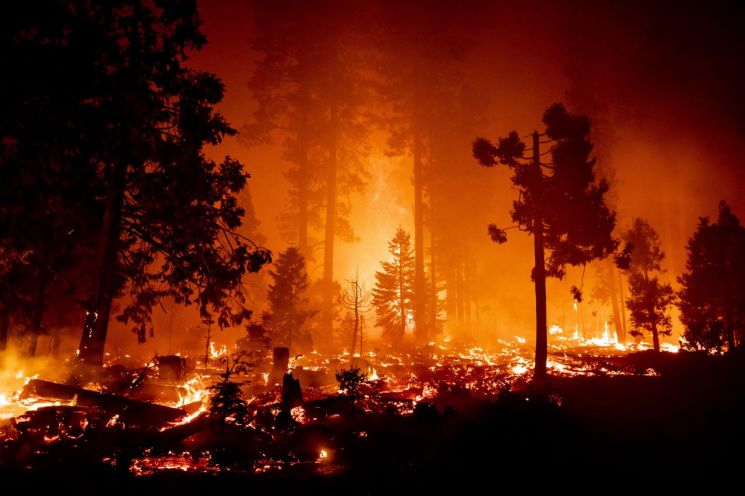
Chinese President Xi Jinping declared at the United Nations General Assembly in September last year that China's carbon dioxide emissions will peak before 2030 and that carbon neutrality will be achieved before 2060. To achieve these goals, the pace of coal phase-out must accelerate, and the share of renewable energy must expand rapidly.
Energy consulting firm Wood Mackenzie analyzed that China will need investments exceeding approximately 5 trillion dollars for carbon neutrality. It is forecasted that expanding renewable energy power facilities and reducing coal-fired power generation to about half are necessary to successfully achieve carbon neutrality. Global market research firm IHS Markit predicted that China must add 2,200 GW of solar power and 1,700 GW of wind power by 2060.
KEI stated, "China has introduced coal reduction plans to respond to domestic and international environmental demands, but the actual coal power capacity is on the rise," adding, "Although China declared carbon neutrality by 2060, it will require qualitatively different coal phase-out transitions and innovations from what has been pursued so far."
◆ Advanced countries such as the EU and the US actively pursue coal phase-out = Coal consumption in the United States has been declining since peaking in 2007. The capacity factor of coal-fired power plants, which was 67% in 2010, dropped to 48% in 2019.
Despite the federal government under President Trump pursuing policies contrary to the coal phase-out trend, state governments and environmental groups have actively moved toward coal phase-out. California announced plans to supply 100% of its electricity from environmentally friendly renewable energy by 2045, and New York and Washington declared coal power plant shutdowns by 2030.
The European Union (EU) is the region with the fastest coal phase-out movement. As of 2016, 320 coal-fired power plants were operating across the 28 EU countries, of which 143 plants have been officially announced for closure. The share of coal power in the EU's total power generation mix decreased from 24.4% in 2000 to 17.5% in 2015. EU member states are competitively advancing the timing of coal phase-out.
Europe, the United States, and other advanced countries underwent industrial modernization and economic development by consuming fossil fuels such as coal as their main energy source during the 18th and 19th centuries' Industrial Revolution. Since the 1970s, attention has been paid to the environmental damage caused by industrialization and growth dependent on fossil fuels. It is true that these countries are in a favorable position to rapidly implement coal phase-out policies today.
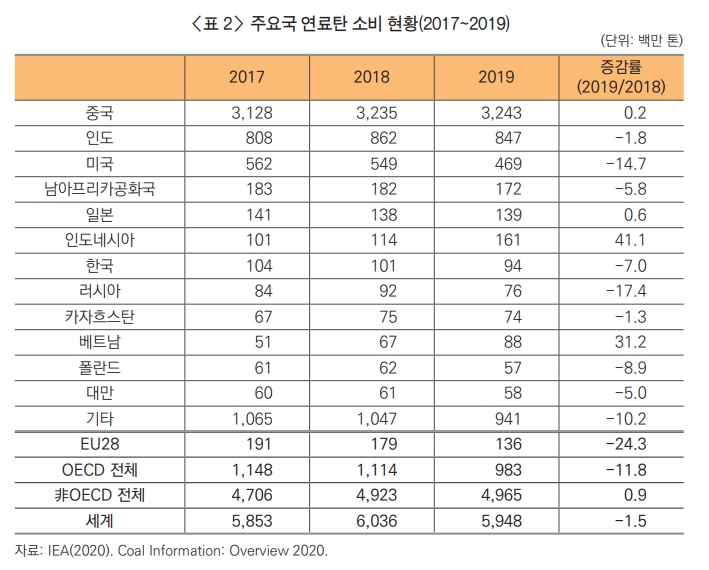
On the other hand, developing countries are increasing coal-fired power generation, showing a trajectory opposite to that of advanced countries. According to the International Energy Agency (IEA), Indonesia's coal consumption (mainly used for power generation) increased by 41.4% to 161 million tons in 2019 compared to the previous year, and Vietnam's consumption rose by 31.2% to 88 million tons.
KEI stated, "The speed and intensity of coal phase-out vary by country," but also noted, "Improvements in eco-friendly renewable energy technology and competitiveness, the relative economic disadvantage of coal, worsening environmental problems such as air pollution, and the climate change crisis suggest that coal phase-out trends will accelerate further."
© The Asia Business Daily(www.asiae.co.kr). All rights reserved.
![Clutching a Stolen Dior Bag, Saying "I Hate Being Poor but Real"... The Grotesque Con of a "Human Knockoff" [Slate]](https://cwcontent.asiae.co.kr/asiaresize/183/2026021902243444107_1771435474.jpg)

















