Domestic HEV Supply Reaches 580,000 Units, Expected to Surpass 600,000 by Month-End
Impact of Government Strengthening Low Emission Vehicle Supply Targets
Automakers Expand HEV Lineups
Hyundai-Kia Hold 78% Domestic HEV Market Share in First Half of Year
[Asia Economy Reporter Su-yeon Woo] The number of hybrid electric vehicles (HEVs) in South Korea has surpassed 580,000, entering the countdown to the 600,000-unit era. This is due to automakers aggressively expanding their HEV lineups in response to the government's increasingly stringent low-emission vehicle supply targets.
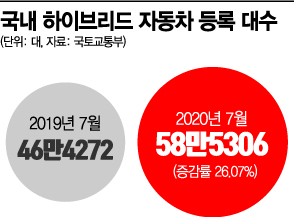
According to the Ministry of Land, Infrastructure and Transport on the 14th, as of the end of July this year, the number of registered HEVs in South Korea reached 585,306, a 26% increase compared to the same month last year. Considering that more than 10,000 new HEVs are sold monthly in the domestic market, it is expected that the number will exceed 600,000 as early as the end of this month.
As of last July, the number of registered vehicles by fuel type showed that pure electric vehicles reached 114,318, nearly a 50% increase from the previous year, followed by HEVs with a 26% increase showing a steep growth trend. Gasoline vehicles increased by only 4% to 1.12 million units, while diesel vehicles decreased in registration numbers to 990,000 units.
The rapid growth of the domestic HEV market was mainly driven by government environmental regulations. The government enforces a low-emission vehicle mandatory sales system requiring manufacturers selling more than 4,500 units annually in Korea to have at least 15% of their sales be eco-friendly vehicles. Starting this year, the scope of this regulation has expanded from the metropolitan area to nationwide. Although a two-year grace period was provided, automakers urgently need to increase eco-friendly vehicle sales to meet these requirements.
Accordingly, Hyundai-Kia Motors has recently been actively expanding its HEV lineup. Since government subsidies for pure electric vehicles are limited, effectively restricting their sales volume, it is relatively easier to expand sales by increasing the HEV lineup. Hyundai-Kia Motors capitalized on the slump of Japanese cars, which were traditional HEV leaders but faced boycott movements, increasing their domestic HEV market share to 78% in the first half of this year.
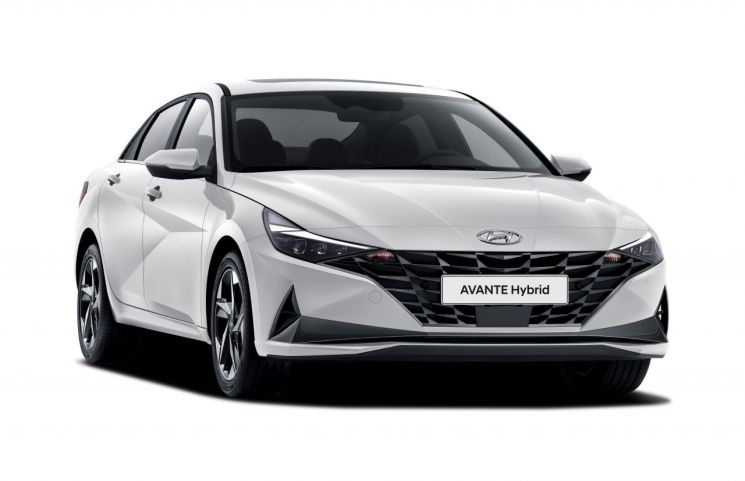
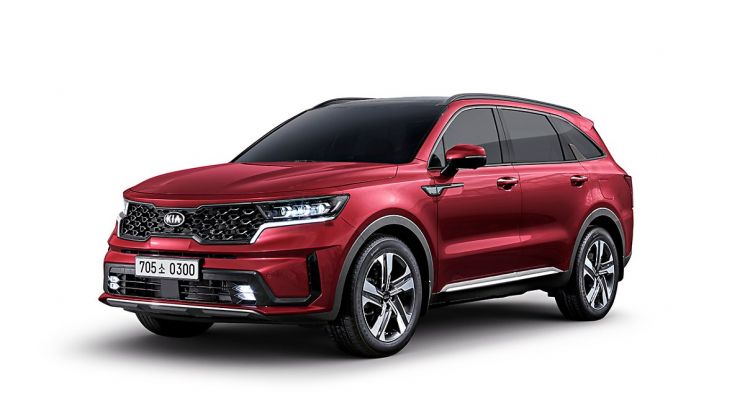
In August last year, Hyundai launched the compact SUV Kona HEV, and this year, Kia added an HEV lineup to its mid-size SUV Sorento. The existing HEV models Sonata and Grandeur continue their popularity with new model releases, and recently, the compact sedan Avante also launched an HEV model for the first time in 11 years. As a result, Hyundai's HEV sales from January to July this year reached 31,508 units, a 44% increase compared to the previous year. Notably, the Grandeur HEV led the market by selling over 20,000 units. Kia's HEV sales surged 69% to 32,354 units, driven by the introduction of the Sorento HEV.
Imported car manufacturers also plan to respond to government regulations by expanding their plug-in hybrid electric vehicle (PHEV) lineups. Mercedes-Benz launched PHEV models of its best-selling E-Class and C-Class last year, and BMW consecutively introduced PHEV models of its main sedan series 3, 5, and 7 in Korea. Volvo declared that starting next year, it will stop selling gasoline and diesel vehicles and sell only eco-friendly vehicles, including PHEVs.
Professor Ho-geun Lee of the Department of Automotive Studies at Daeduk University said, "HEVs are a transitional alternative toward ultimate eco-friendly vehicles such as pure electric and hydrogen electric vehicles," adding, "Considering the eco-friendly policy direction and consumer demand, there is sufficient potential for the HEV market to expand even without subsidies."
© The Asia Business Daily(www.asiae.co.kr). All rights reserved.
![Clutching a Stolen Dior Bag, Saying "I Hate Being Poor but Real"... The Grotesque Con of a "Human Knockoff" [Slate]](https://cwcontent.asiae.co.kr/asiaresize/183/2026021902243444107_1771435474.jpg)
















