Possibility of Constitutional Challenge if Retroactive Tax Benefits for Rental Housing Operators Are Abolished
Frequent Policy Changes and Flip-Flopping... Concerns Over Erosion of Policy Trustworthiness
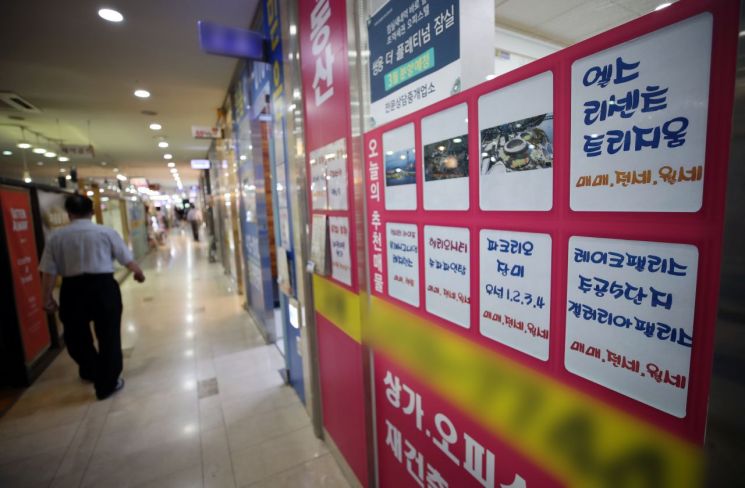
[Sejong=Asia Economy Reporter Kim Hyunjung] As the government and the ruling party are actively considering raising the top tax rates on capital gains tax and comprehensive real estate holding tax, and retroactively reducing tax benefits for rental business operators, concerns are growing over the frequent policy revisions leading to a decline in trust. Some argue that the real estate tax system has become so complicated and difficult to manage due to multiple interventions made in a rush to control housing prices.
According to related ministries, the National Assembly, and industry sources on the 7th, if the so-called 'Three Laws to Reduce Rental Business Privileges (Amendments to the Comprehensive Real Estate Holding Tax Act, Restriction of Special Taxation Act, and Local Tax Special Cases Act)' proposed by Kang Byung-won of the Democratic Party of Korea, which aims to retroactively abolish tax benefits for rental business operators, passes, collective backlash through constitutional lawsuits is expected. Until the end of last month, the government had been praising itself through press releases, stating that "since the announcement of rental registration activation in December 2017, the expansion of registered rental stock has contributed to tenants' housing stability," but suddenly reducing benefits all at once is seen as a unilateral breach of a kind of 'contract' made between the state and rental business operators.
◆Low likelihood of relief through constitutional lawsuits= Rental business operators who have officially registered their businesses and are now subject to restrictions on sales periods and increased tax rates can first file constitutional lawsuits based on the 'principle of non-retroactivity of laws.' This principle means that one cannot be held responsible retroactively for actions that were legally permitted at the time.
However, experts evaluate that if the legal relationship has not ended and is ongoing, meaning the government intervenes before taxation, it can be classified as 'quasi-retroactive legislation.' Attorney Kim Yerim of Jeonghyang Law Firm explained, "If it were a case of reclaiming previously received tax benefits, it might be different, but since taxation has not yet occurred and the purpose is to achieve public interest, the possibility of relief through the Constitutional Court is low." She added, "However, the policy trust will collapse due to the promise of legal benefits used to induce rental business registration."
Attorney Kim further stated, "There might be room to dispute the issue of suffering losses without receiving expected benefits under the State Compensation Act, but it is hard to see it as a fault in the official process."
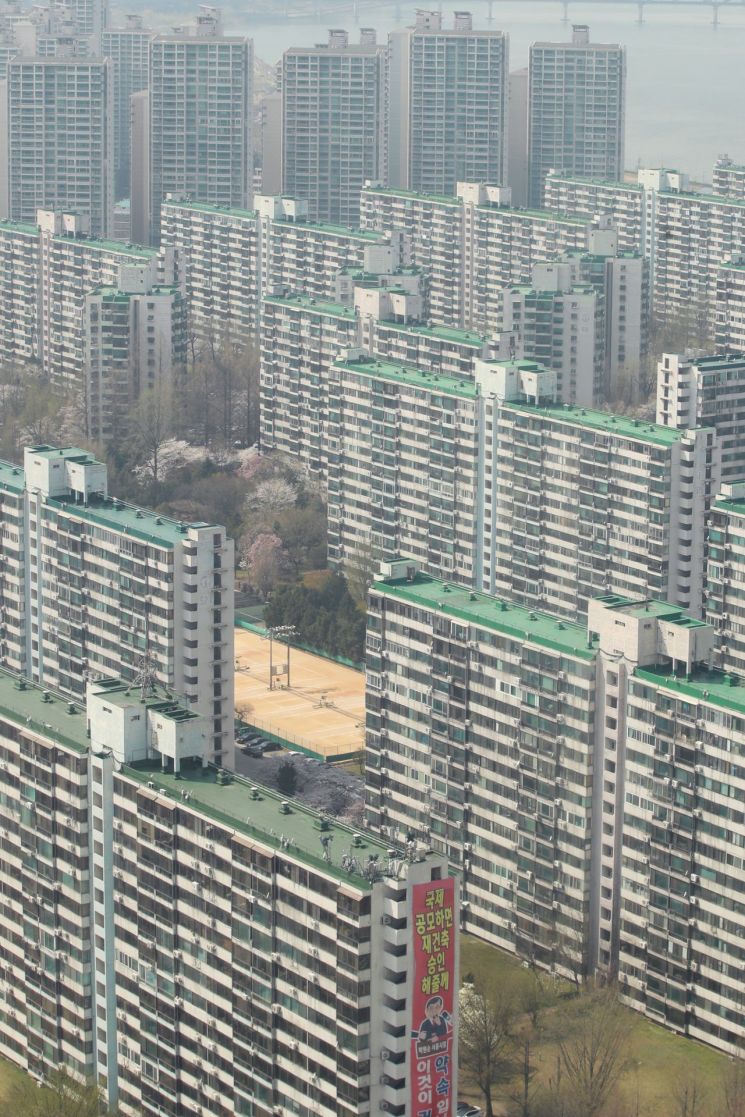
◆Tax system changes are hard to keep up with, like flipping a hand= Some say that under the Moon Jae-in administration, real estate-related tax systems have changed too frequently, causing a decline in policy trust. There are also criticisms that it has become impossible to predict the approximate level of taxes to be imposed. In the case of capital gains tax, which the ruling party is considering raising the top rate to 80%, it may instead lock up market supply and trigger price surges. Regarding holding tax, since its long-term market stabilization effect has not been verified globally, a more cautious approach is needed.
Professor Shim Kyo-eon of the Department of Real Estate at Konkuk University’s College of Business Administration said, "Currently, most gap investors are fulfilling holding periods or actual residence periods to avoid heavy capital gains tax, and such measures are likely to have a supply freeze effect, causing supply volumes to flow into gifts and other channels." He added, "While a gradual increase in capital gains tax can have positive long-term effects, holding tax policies lack consistent patterns even in overseas cases, so a more cautious approach is necessary."
Professor Shim criticized, "The government has failed for three years in its top priority of 'real estate stabilization,' and the policy is becoming politicized." He continued, "If the retroactive abolition of rental business benefits is implemented, it is tantamount to the government giving up being a state." He added, "If promises are reversed before the regime even changes, no one will trust policies and only the market will be trusted."
© The Asia Business Daily(www.asiae.co.kr). All rights reserved.
![Clutching a Stolen Dior Bag, Saying "I Hate Being Poor but Real"... The Grotesque Con of a "Human Knockoff" [Slate]](https://cwcontent.asiae.co.kr/asiaresize/183/2026021902243444107_1771435474.jpg)

















