Yongsan-gu, Museum Materials Public Purchase from March 30 to April 8
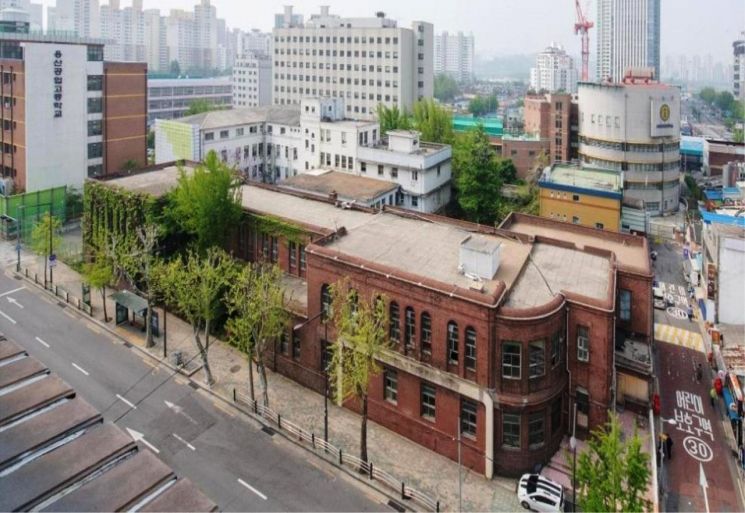 Yongsan-gu is promoting the construction of a history museum at the former Railroad Hospital in Hangangno-dong.
[Asia Economy Reporter Park Jong-il] Yongsan-gu (District Mayor Seong Jang-hyun) is publicly purchasing artifacts to secure exhibition and collection materials for the Yongsan History Museum, scheduled for completion in 2021.
Applications for sale will be accepted from the 30th of this month until the 8th of next month.
The materials sought by the district include not only cultural heritage-level artifacts but also ▲materials related to the stationing of foreign troops in the Yongsan area from the Joseon Dynasty to the modern and contemporary periods ▲materials related to Yongsan Railroad Hospital ▲materials related to the Yongsan independence movement ▲railroad-related materials from the Japanese colonial period to modern Yongsan ▲materials related to Yongsan urban development ▲materials related to Yongsan port such as the late Joseon period open market (Gaesijang) ▲materials related to Yongsan’s industry and factories from the Japanese colonial period to post-liberation ▲materials on the lifestyle of foreigners residing in Yongsan ▲materials related to villages in the Yongsan area ▲cultural and artistic materials related to Yongsan ▲materials related to folk beliefs and religions in Yongsan ▲materials on urban life history in Yongsan, covering Yongsan’s history, urban history, industry, and culture.
Eligible participants include private collectors, cultural heritage dealers, and corporations. Cultural heritage dealers must apply under their registered business names. Artifacts with unclear ownership or provenance and illegal cultural properties cannot be applied for sale.
Those wishing to participate should complete the application for sale and material specification forms and submit them via email to the person in charge at j2210@yongsan.go.kr from the 30th of this month to April 8th. Detailed information on submission documents can be found in the announcement section on the district’s website (www.yongsan.go.kr).
A district official stated, “All materials that can be used for exhibition, research, and educational purposes at the Yongsan History Museum are eligible for purchase,” and added, “Please provide detailed descriptions of the provenance and contents of the materials in the specification form to verify whether they are stolen cultural properties.”
The district will notify applicants individually about the acceptance of physical materials after document screening. Then, after holding a material evaluation committee meeting, purchase negotiations will proceed based on the review results. The list of materials planned for purchase will be disclosed on the website, and purchase contracts will be completed by June. Materials not purchased will be returned according to procedures.
The district plans to build the Yongsan History Museum by 2021 on the site of the old Railroad Hospital in Hangangno-dong (Hangang-daero 14-gil 35-29, Registered Cultural Property No. 428). The building will have one basement floor and two above-ground floors, with a total floor area of 2,429㎡.
The existing registered cultural property building will not be demolished; only interior structural changes and surrounding maintenance work will be carried out. The museum will consist of ▲exhibition halls (972㎡) ▲storage rooms (243㎡) ▲education rooms (170㎡) ▲offices (194㎡) ▲common spaces (850㎡).
So far, the district has secured about 1,600 museum materials. Major collections include the 1925 Han River flood photo album 'Cheollyeongmaengwi Gyeongseong Bugun Suhae Sajinhwabo,' Japanese colonial period items such as the 'Gyeongseongbu 2nd Phase Emblem Waterway Cover,' 'Gyeongseong Electric School Graduation Album,' 'Yongsan Station Postcards,' and 'Yongsan Railroad Car Repair Shop Iron Signboard.'
The district is accepting donations of museum materials to build a museum created together with residents. Originals or copies of materials can be submitted. Submissions are accepted in person, by mail, or by phone. After a review process, physical material donations will be accepted.
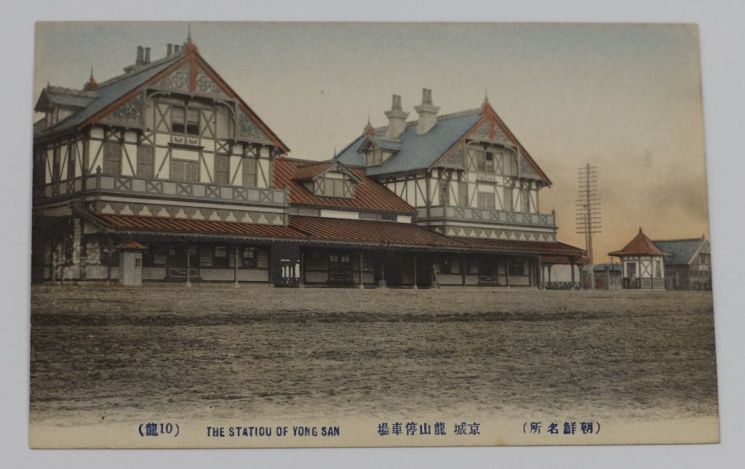 Postcard of Yongsan Station during the Japanese colonial period (1910s). When Yongsan Station became the starting point of the Gyeongui Line, it was newly built as a large European-style two-story wooden building but was destroyed during the Korean War.
Materials donated so far include a ‘sewing machine and cutting scissors’ used at the Seogye-Cheongpa-dong sewing factory (donated by Lee Sang-tae), lifestyle materials from Yongsan-gu in the 1970s to 1990s (donated by Seo Shin-yu), the plaque of the Belgian Embassy (donated by the Belgian Embassy), and traditional Bangladeshi clothing and a rickshaw (donated by the Embassy of Bangladesh in Korea). Local residents and institutions are actively participating in donations.
Seong Jang-hyun, Mayor of Yongsan-gu, said, “We are establishing a history museum to record the life and culture that Yongsan has experienced and to share it with residents,” and added, “We will carefully select valuable materials to ensure the museum is substantial.”
Yongsan-gu Regional Policy Division (☎2199-7545)
© The Asia Business Daily(www.asiae.co.kr). All rights reserved.
![Clutching a Stolen Dior Bag, Saying "I Hate Being Poor but Real"... The Grotesque Con of a "Human Knockoff" [Slate]](https://cwcontent.asiae.co.kr/asiaresize/183/2026021902243444107_1771435474.jpg)
















