Avoiding Dining Out Due to Infection Concerns... Surge in Delivery Purchases Including Beverages

[Asia Economy Reporter Choi Saeng-hye] The number of confirmed cases of the novel coronavirus infection (COVID-19) has exceeded 500 after about a month, significantly changing the consumer landscape in the food and dining industry. Instead of visiting crowded places like supermarkets and restaurants, consumers are rapidly increasing their purchases of food through delivery and online malls.
According to the industry on the 23rd, as the fear of virus infection continues and people avoid going out, orders through delivery apps have increased. From January 31 to February 17, Baedal Minjok recorded a total of 26.41 million orders, a 9% growth compared to the same period last month (January 3 to 20). In particular, cafe and dessert orders increased by 19%, ranking first, confirming the rise of home cafe enthusiasts. Chicken (13%), fast food (12%), jokbal and bossam (12%), and bunsik (10%) followed. On Yogiyo, excluding the surge during the Lunar New Year holidays, orders increased by 11% over three weeks from January 28 to February 18.
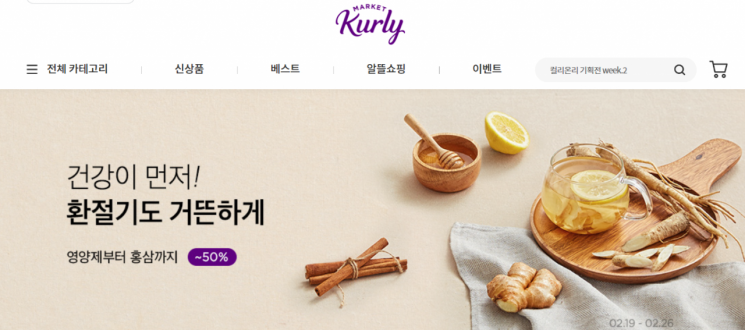
Sales of convenient meals and meal kits, which eliminate the need for offline grocery shopping, also surged. At the fresh food delivery company Market Kurly, sales from January 20 to February 17 doubled compared to the same period last year. Especially, side dishes and convenient meal sales increased by 125%. From January 20 to February 19, total sales in the food category on SSG.com increased by 96% compared to last year (January 31 to March 2, one month before the Lunar New Year holiday starting February 5), with meal kit sales soaring by 692%.
Consumers also seem to be strengthening their immunity with health functional foods to prevent COVID-19 infection. At Market Kurly, sales of supplements and health foods increased by 91% compared to the same period last year from January 20 to February 17. A Market Kurly official explained, "Red ginseng extract, krill oil, immune management juices, lutein, and probiotics were sold in that order."
On Gmarket, sales of omega-3 and propolis increased by 162% and 94% respectively compared to last year from January 20 to February 18. Consumers seeking health foods such as cinnamon and garlic juice also increased by 74% and 22% respectively. From January 20 to February 19, sales of health foods such as red ginseng and vitamins on SSG.com increased by 70% compared to last year (January 31 to March 2, one month before the Lunar New Year holiday starting February 5).
Meanwhile, the cold wave continues in the offline dining sector. Since COVID-19, restaurant sales have continuously declined. According to the Korea Foodservice Industry Research Institute under the Korea Foodservice Industry Association, comparing the average daily number of customers two weeks before and after the first domestic confirmed case on January 20, 85.7% of 600 dining establishments saw a decrease in customers, with 87.3% of those experiencing a decline in dine-in customers.
© The Asia Business Daily(www.asiae.co.kr). All rights reserved.
![Clutching a Stolen Dior Bag, Saying "I Hate Being Poor but Real"... The Grotesque Con of a "Human Knockoff" [Slate]](https://cwcontent.asiae.co.kr/asiaresize/183/2026021902243444107_1771435474.jpg)
















