Resolving Bus Manpower Shortages... Accelerating the Establishment of a Two-Shift-Per-Day System
Increasing Training Capacity to Secure a Stable Workforce Supply Base
Strengthening Specialized Training to Minimize Safety Accidents
Gyeonggi Province has significantly expanded its 2026 bus driver training program to resolve the structural manpower shortage in the provincial bus industry and to create a safer public transportation environment.
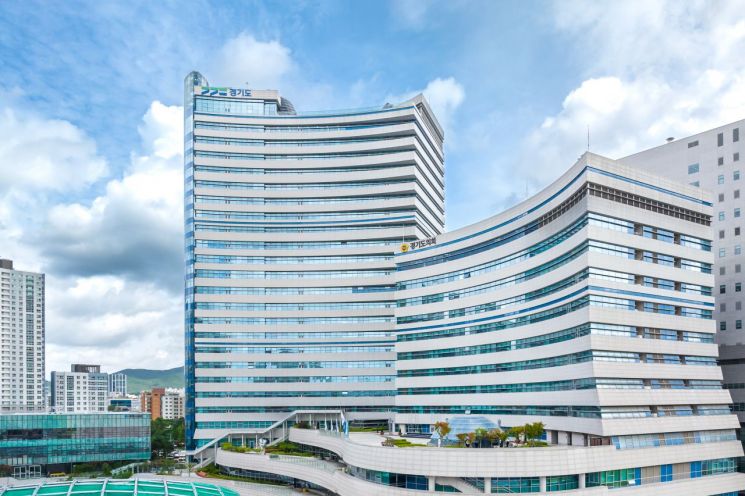
The province has increased the number of trainees from 1,680 in 2025 to 2,200 in 2026. In addition to the existing Korea Transportation Safety Authority, the Gyeonggi-do Transportation Training Institute has been newly designated as a training institution.
The training program will cover a total of 2,200 people, including 1,850 city bus drivers and 350 village bus drivers. The course will be 80 hours for city buses and 40 hours for village buses, and will focus on practical training such as traffic safety and defensive driving, response to dangerous situations, bus acclimation training, emergency measures, and passenger service skills. In particular, trainees who have obtained a Class 1 large vehicle license and a bus driver qualification and complete the 80-hour training course will be able to substitute the legally required one-year driving experience, enabling them to find employment earlier.
Those who complete the training will go through an on-site adaptation process via in-house training at bus companies. The province plans to provide an average of about 100 hours of route training and driving apprenticeship to reduce the risk of accidents in the early stages and to enhance drivers' ability to respond in real situations. In addition, job fairs will be held to strengthen employment linkages between program graduates and bus companies in the province, and follow-up management of graduates will be carried out in parallel.
To further increase the inflow of new personnel, the province will subsidize the cost of obtaining a Class 1 large vehicle license. A total of 240 people will be eligible. For general trainees, 480,000 won will be provided, which is 70% of the acquisition cost, while female trainees will receive the full amount of 680,000 won, or 100% of the cost. This measure is intended both to lower the entry barrier to the transportation industry and to encourage an increase in the number of female transport workers.
Meanwhile, since the implementation of the city bus public management system in 2024, efforts have been underway to establish a stable two-shift-per-day work system, further highlighting the importance of securing a stable workforce. Sufficient staffing is a prerequisite for improving long working hours and normalizing working conditions, but supply-demand imbalances continue due to the aging of the industry and a decline in the inflow of new workers.
Through this project, Gyeonggi Province aims to support the stable establishment of the two-shift-per-day work system, alleviate the structural manpower shortage in the bus industry, and at the same time prevent traffic accidents so as to build a public transportation service that residents can use with peace of mind.
Yoo Chung-ho, head of the Bus Management Division of Gyeonggi Province, said, "The expansion of this training program is not simply about increasing staff numbers, but is a core policy directly linked to the safety of residents," adding, "We will systematically train transport workers with professional skills and strong on-site adaptability to build a safe and sustainable public transportation system."
© The Asia Business Daily(www.asiae.co.kr). All rights reserved.
![Clutching a Stolen Dior Bag, Saying "I Hate Being Poor but Real"... The Grotesque Con of a "Human Knockoff" [Slate]](https://cwcontent.asiae.co.kr/asiaresize/183/2026021902243444107_1771435474.jpg)















